By: Mackenzie Kinsella
Taylor Swift’s Eras Tour is argued to be one of the largest tours in history. From the friendship bracelets, elaborate costumes representing each of her eras, and the frenzy to get tickets, the Eras Tour has had not only a cultural impact, but an economic impact. According to NPR, Swift’s tour is estimated to produce $5 billion by the end of the tour in November. With the COVID-19 pandemic over, music tours and other events have been attracting guests at a higher level than ever before. Economists have claimed Taylor Swift’s the Eras Tour and Beyoncé’s Renaissance Tour have boosted tourism sales for cities listed on their tour by hundreds of millions of dollars. According to Time Magazine, Enchanted Swift concertgoers spend an average of $1,300-$1,500 per show on expenses like tickets, outfits, merchandise, travel and food. The Eras Tour has impacted the economy by generating $4.6 billion in consumer spending alone in the United States.
Swift’s record-breaking tour has continued to break records as “Taylor Swift: The Eras Tour” (The Eras Tour) hit the box office. Swift’s concert film sold a record $123.5 million in tickets around the world over opening weekend. Industry experts expect Swift’s concert film to be in the league of some of this year’s biggest box office hits like Barbie and The Super Mario Bros. Movie. Taylor Swift: The Eras Tour now holds the record for the highest-grossing concert film in the history of concert films. Taylor Swift: The Eras Tours not only differs from its predecessors due to its economic impact but also by Swift’s Mastermind deal with AMC.
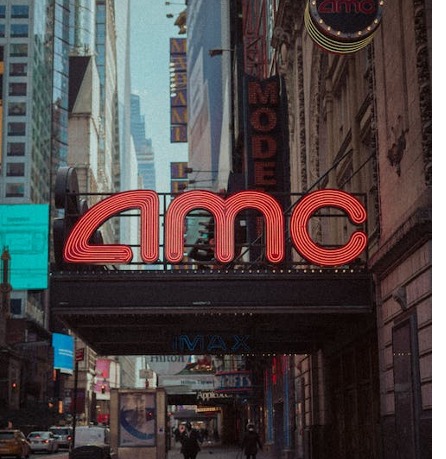
Traditionally, most big budget movies are distributed by a major studio, which then gets a portion of the profit. However, Swift produced the concert film herself and created a deal for distribution directly with AMC, a theater company. Swift hired a director and was able to successfully market her new film to her 365 million social media followers. Swift and AMC will split the remainder of The Eras Tour profits, after compensating the hosting theaters. This direct deal allows for the theaters to receive 43% in gross ticket sales and the remaining 57% in gross ticket sales will be split by Swift and AMC. Through this Delicate deal, Swift was also able to secure streaming rights for the film. Beyoncé made a similar kind of deal for the release of her upcoming concert film, “Renaissance: A Film by Beyoncé.” However, never in her Wildest Dreams would Swift be able to make this agreement with AMC, if not for a recent change in antitrust law.
In 1938, the Department of Justice (DOJ) sued the major studios at the time, also known as the Big Five (MGM, Paramount, RKO, 20th Century Fox, and Warner Brothers) and the Little Three (Universal, United Artists, and Columbia). In United States v. Paramount Pictures, Inc., the Supreme Court was concerned about the exhibition tactics being taken by these major studios. For example, studios would send a film to only their cinemas for the first runs. During these first runs, the films would be arguably the most profitable due to marketing and reviews. After a couple of weeks showing the film in their self-owned theaters, only then, would studios send the film to competing or independent studios. To combat this monopolization of the film industry, the Supreme Court established a landmark antitrust decision, which required the eight studios to stop monopolistic practices that gave wealthy studios an advantage over smaller studios and independent filmmakers. These requirements were dubbed “the Paramount Decrees.”
In August of 2020, these Paramount Decrees were overturned at the request of the DOJ. The DOJ outlined two major concerns for their repeal of the Paramount Decrees. The first concern was that the Paramount Decrees were essentially outdated because many of the studios that signed the Decrees no longer existed, or existed in the capacity they did when the Paramount Decrees were signed. Secondly, the DOJ was concerned that major streaming companies were not held to the same standards and restrictions as major studios. The DOJ argued that repealing the Decrees would allow for major studios to compete with streaming services. The Paramount Decrees no longer serve as government intervention in the free markets. Swift’s Fearless direct deal for her concert film signals a new era of innovation in deal making for the film industry.
However, there are some critics who are not fans of this new Style of film deal. Some critics of Swift’s deal argue that it allows major studios to compete with streamers at the expense of struggling independent producers. Others believe that a better alternative to repealing the Paramount Decrees would be to update antitrust legislation and adjust for major streaming companies like Netflix and Amazon in the film industry.
 Washington Journal of Law, Technology & Arts