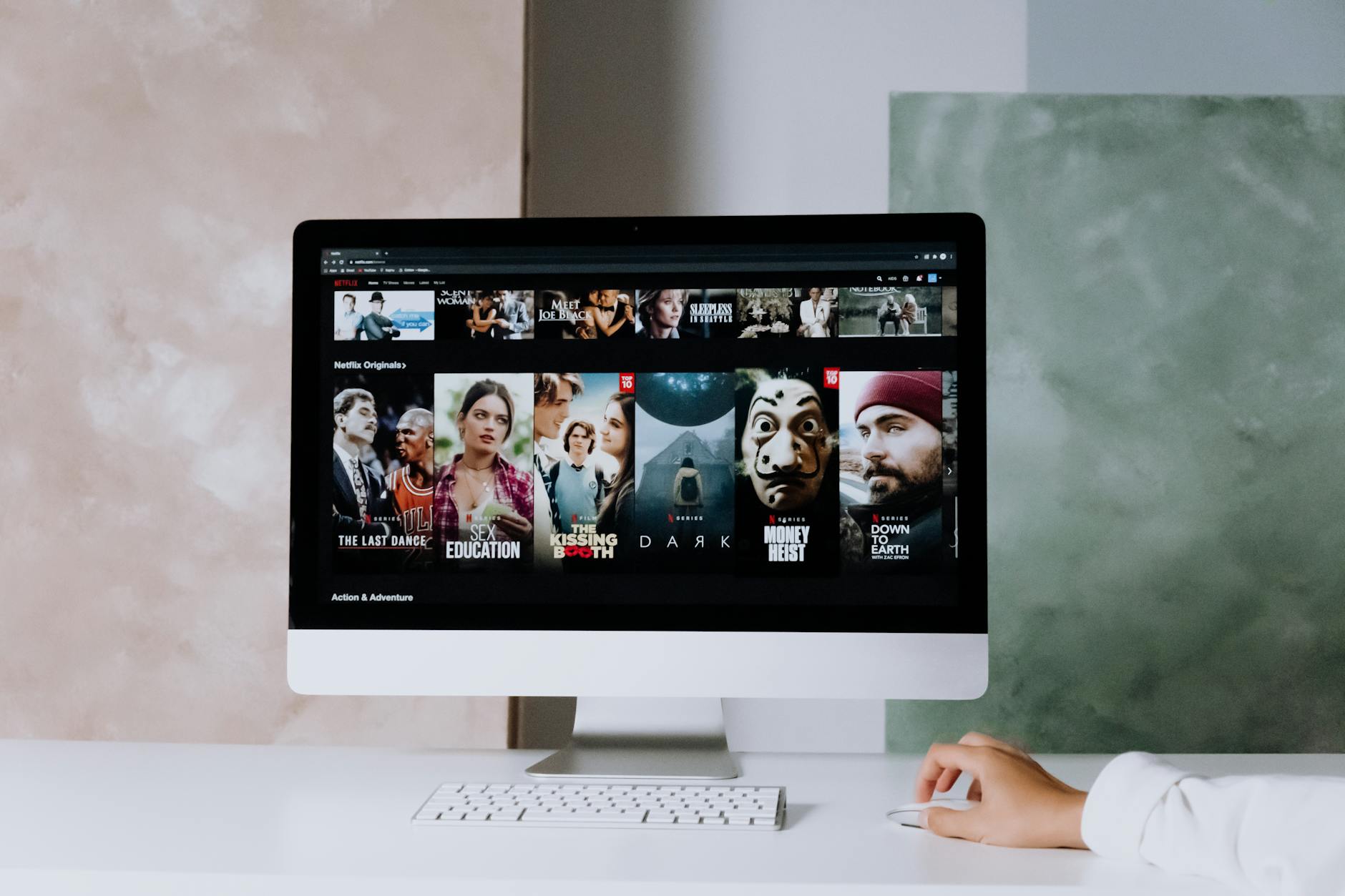
By: Teagan Raffenbeul
The entertainment industry has experienced a significant shift with the rise in streaming platforms. While streaming platforms date back to the early 2000s when Netflix first offered services for users to stream movies and TV shows on their computers, the streaming industry has surged in popularity in recent years. With convenience and accessibility top priorities for many consumers, companies have evolved to facilitate the “new era of on-demand content consumption.” It is estimated that 65% of media consumption comes from streaming platforms for individuals under 35. Numerous companies including Paramount, Max, Peacock, and Apple TV have launched their own streaming platforms, with Walt Disney Company (“Disney”) being no exception. In 2019, Disney launched its own streaming service, Disney+. Disney also owns a variety of other entertainment brands, including Fox, FX, Star+, ABC Television Network, Freeform, National Geographic, and other popular streaming platforms like Hulu and ESPN+.
While streaming film is effortless for consumers, a lot of advanced technology operates behind the scenes. Various innovations enable key methods and processes to power streaming platforms, with video encoding technology being particularly crucial. Video encoding technology allows for a reduction in the size of video files. This technology compresses data to allow for fast and efficient on-demand video streaming. Many of these video encoding technologies are patented, requiring companies wishing to use them in their streaming platforms to negotiate licensing agreements. Under 35 U.S.C., a patent grants the patent holder the exclusive rights to exclude others from making, using, and selling the patented innovation for a limited period. When licenses are not granted and companies use the technology without authorization, they are committing patent infringement. This is exactly what InterDigital, a global research and development company based in the U.S., has alleged Disney of engaging in.
InterDigital’s Patent Infringement Lawsuit
On February 2nd, 2025, InterDigital filed a patent infringement claim against Disney and its streaming platforms Disney+, Hulu, and ESPN+. InterDigital not only filed a lawsuit in the Federal District Court in the Central District of California, but also in Brazil, Germany, and at the Unified Patent Court. The Unified Patent Court consists of members from all European Union states and is designed to create a more simplistic and efficient process and results in decisions taking effect in all member states.
The complaint filed in the U.S. identifies five patents InterDigital claims Disney has infringed upon. Three of these patents relate to data compression, covering encoding systems, block pixel predictions, and continuity procedures. The fourth patent focuses on a process to correct color discrepancies, while the fifth pertains to a method of improving user interfaces. InterDigital has highlighted the significance of their technology to the streaming industry, noting that without their patented technology, downloading a 130-minute movie would take over 4 ½ days. However, with their patented technology that same movie can be downloaded in just a few minutes. According to InterDigital, Disney has been able to create a profitable business, generating approximately $25 billion in revenue through its streaming platforms, due to their use of InterDigital’s patented methods and processes.
Licensing Agreements
A patent license grants another party the right to use the patented invention, typically in exchange for a fee. By participating in such exchanges, companies are able to access and use valuable inventions that could significantly benefit their business, while inventors generate revenue and that can be invested in further research and development. While InterDigital expressed a preference for amicable negotiations leading to licensing agreements, they have stated that enforcement is sometimes necessary to ensure fair compensation for their “groundbreaking research,” which also supports funding of future research to develop new technological innovations.
InterDigital wants companies to use their innovations, as they believe their technological advancements have fueled industry growth. However, they expect those who benefit from their intellectual property, especially entities who benefit as substantially as Disney has, to pay for a license to use the patented technology. The complaint states that InterDigital reached out to Disney in 2022 to request licensing of their patents. However, no licenses were ultimately issued, and Disney has allegedly continued to use InterDigital’s patents without authorization.
Other Intellectual Property Claims Disney Has Faced
Unfortunately for Disney, this is not their first intellectual property infringement lawsuit. In 2024, Adeia Inc., a research and development company that creates technology for the media industry, filed patent infringement lawsuits in the United States, Europe, and the Unified Patent Court. These patents are related to content delivery technology and various aspects of media streaming. Additionally, a lawsuit was filed under U.S. copyright law alleging Disney’s Moana 2 “ripped off” the work of another animator and writer.
While Disney has won several intellectual property lawsuits, including numerous Mickey Mouse copyright infringement claims and a trademark infringement dispute against a Canadian animated film entitled Frozen Land, they have also experienced some losses. Among their more notable losses was an order to pay over $600,000 in damages due for using motion-capture technology without permission in the live-action remake of Beauty and the Beast. This should indicate to InterDigital that taking on an entertainment giant as resourceful and powerful as Disney is not an automatic defeat, especially considering InterDigital has had success in similar cases against companies around the world.
#PatentInfringement #Disney #WJLTA
 Washington Journal of Law, Technology & Arts