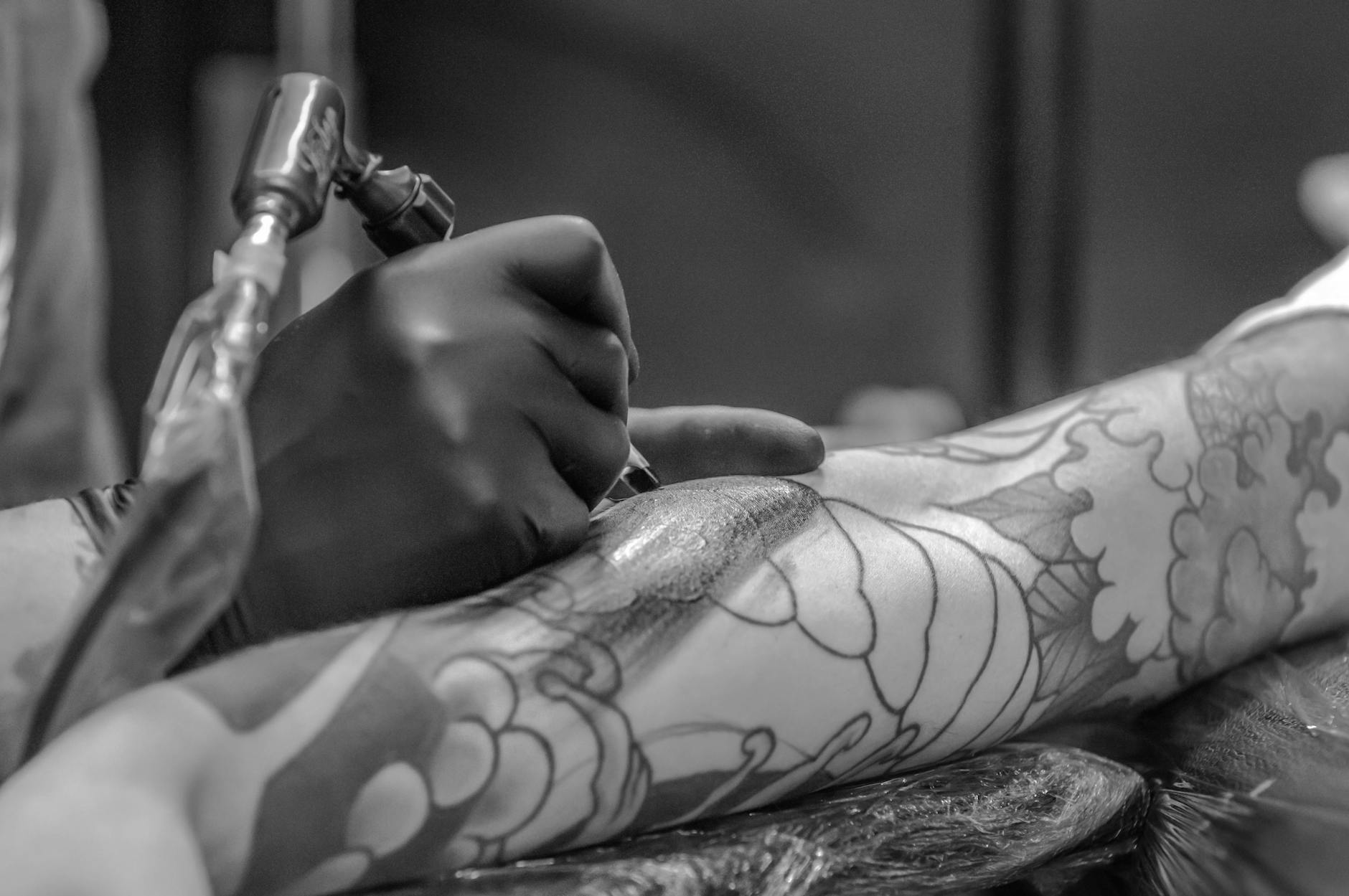
By: Dustin Lennon-Jones
Introduction
From the release of Pac-Man in 1980 to the trailer for the latest installment of the Grand Theft Auto series, the technology behind creating and displaying characters in video games has come a long way. With a release scheduled for May 2026, praise is already pouring in for the hyper-realistic graphics, with fans remarking that it “looks like a movie.” However, as video games get closer to mimicking reality, past copyright precedents may fall into obsolescence.
Solid Oak Sketches v. 2K Games
In February of 2016, Solid Oak Sketches filed a lawsuit against 2K Games, the creator of the NBA 2K video games series, alleging that 2K had used copyrighted tattoo designs in its recreation of the likeness of several NBA players. In its motion for summary judgment, 2K raised several defenses, including that the use was de minimis, that it fell within fair use, and that they had an implied license. Ultimately, the court agreed with 2K on all of these defenses, granting summary judgment, and ending the litigation.
The “De Minimis” Exception
The De minimis exception comes from a longer Latin phrase, which translates to “the law does not concern itself about trifles.” In the context of copyright law, it refers to infringement that is so trivial that the original and the copy are not substantially similar. In concluding that the tattoos in 2K’s game were not substantially similar, the court viewed videos of gameplay and noted that the tattoos “appear out of focus” and can be seen “only as undefined dark shading on the players’ arms.”
Fair Use
The doctrine of fair use allows for the unlicensed use of protected works in certain circumstances. In determining whether the doctrine applies, courts look to the purpose and character of the use, the nature of the work, the amount of the work used in relation to the protected work as a whole, and the effect of the use upon the potential market for or value of the protected work. In 2K’s case, the court found that the use of the tattoo designs was not for the purpose of self-expression, but rather to accurately capture the player’s likeness, making them incidental to the commercial value of the game. Since it was for the “transformative” purpose of a realistic depiction of the players, it does not affect the value of the design itself. The use of the tattoos was therefore fair use.
Implied License
An implied license refers to a contractual agreement that creates implicit permission to use a protected work, despite no explicit language agreeing to such use. In these cases, an implied license is found when the copyright holder creates a work at the request of another, delivers the work to the other person, and intends for the other person to copy and distribute the work. In finding there was such a license, the court found that the artists had created the tattoos at the request of the players, created and “delivered” the tattoos by inking the designs on to their bodies, and since they knew the players were likely to appear in the media, intended them to copy and distribute the tattoos. The players, therefore, had an implied license, which they granted to 2K through the NBA.
GTA 6: Character Customization
In the previous iteration of Grand Theft Auto, players had the ability to customize their avatar with tattoos. However, they suffered from the same limitations that saved 2K in its lawsuit: they were impossible to see clearly. If the game’s graphics are anywhere close to what is shown in the trailer, this limitation will be a thing of the past. While this may enhance the player experience, it has the potential to land Rockstar, the developers of the game, in hot water.
It is not difficult to imagine a court coming to the opposite result of the 2K case in a lawsuit against Rockstar. Since the tattoos will not be relegated to blurry, dark shading and instead appear as clear artwork, it is much harder to argue that a copy of an artist’s design is not “substantially similar. Additionally, as players will be using tattoos to express themselves, rather than capture the licensed likeness of a celebrity, it is unlikely to be fair use. For the same reasons, there cannot be an implied license.
This issue was addressed recently when Take-Two Interactive was found liable for infringing on a tattoo artist’s copyright by copying her tattoo designs in a WWE video game. The tattoos appeared as a part of a wrestler’s likeness, but unlike the NBA 2K lawsuit, players could use the copyrighted tattoos to customize their own wrestlers using the game’s “Create-a-Superstar” feature. Since this had nothing to do with accurately depicting a licensed likeness, it was beyond the scope of fair use.
Conclusion
The actual features of GTA 6 in terms of player customization are still to be confirmed. But as Rockstar has promised, the upcoming release will be “groundbreaking.” While customization and realism increase the user experience, it cannot come at the cost of trampling tattoo artists’ copyright protections.
#tattoos #copyright #fairuse
 Washington Journal of Law, Technology & Arts