Video Killed the Radio Star… And the Internet Killed Cable

Untitled1By Tyler Quillin

This article began with an interest in the disparity between last year’s SEC Network and Pac12 Network revenue yields. However, research led to an even more disruptive evolution in cable television delivery – the end of cable bundling. As the internet continues to reshape the way we consume content, cable-bundling continues to decline.

Most of us still access cable television via the traditional bundling model, which functions through consumer subscriptions for desired channel lineups. Each of the channels provided by the service provider costs a fee to provide. These are called affiliate fees, which are licensing fees agreed upon between each service provider and the respective network. These affiliate fees are a growing influence on the pricing of service provider lineups in an evolving market where the internet provides the direct access to clients these networks never had before. Before the internet, networks needed cable servicer providers to disseminate their products to consumers, but now consumers can go straight to the source for targeted consumption of their desired programming via streaming subscription models. For example, remember the big splashes Hulu and Netflix made in the mid-2000s by providing streamed content? The Networks began offering content for free via Hulu while cable service providers were paying hefty affiliate fees. The cable service providers were unhappy, and Hulu became a subscription-based service. This marked the beginning of the end. Continue reading

YouTube Remixers & Small Statutory Offenders in Focus

YOUTUBER_ICONBy Andrew H. Fuller

There is little doubt that YouTube content creators have been causing waves in the copyright world since its inception. For example, in 2009, YouTube started to mute the audio tracks of any videos or streams posted by users that contained unauthorized copyrighted music. Another common and popular genre of YouTube content is remixes, where YouTube artists create content by altering and sampling from existing, copyright protected content. Most YouTube content creators are unaware and unconcerned about copyright laws or infringement claims until YouTube cracks down on them. Those who are vaguely familiar often assume that their use is within the bounds of Copyright’s Fair Use exception. Given the general (mis)understanding around Fair Use and the courts’ treatment and application of this exception, the Lanham Act would seem ripe for an update. While the technological landscape of media dissemination and user consumption has radically shifted, the laws around copyright haven’t changed. Continue reading

How May I Serve You? Facebook as A Means of Serving Notice and Summons

fbBy Samuel Daheim

For many, the internet has become the primary means of storing, disseminating, and receiving information in personal affairs. We often regard the web as the most convenient and accessible method of communicating. The question arises: should the legal system reflect society’s growing dependence on cyberspace? Or should the age-old traditions of law stand as unmoved pillars, upon which our notions of justice rest? Continue reading

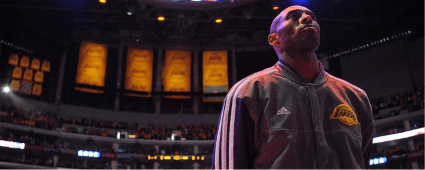
Kobe Bryant Trademarks Phrase to Prepare for the Next Chapter

kobeBy Yayi Ding

It’s official – Kobe Bryant has trademarked the phrase: “Friends Hang Sometimes Banners Hang Forever.”

The motto originated from a 2015 interview with Kobe, when a reporter asked him about “not being a great friend all the time.” His response captured the relentless drive that has defined him as a basketball player: “Friends can come and go, but banners hang forever.” As Kobe’s NBA career comes to a close, his legal efforts offer more insight into his business acumen and his post-retirement preparations. Continue reading

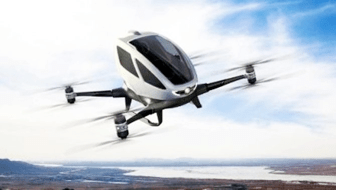
Are Flying Cars Really in Our Future?

flying carBy Danielle Olero

The vintage cartoon, The Jetsons, inspired many to predict there would be flying cars by the year 2000. But amongst our many modern conveniences, flying to work in a car has not been an option. People may not have invented flying cars by the turn of the century, but we may be closer than we ever imagined. Many people use drones to carry packages, take videos, diffuse bombs, and now they can carry you. Continue reading