Curtilage and the 4th Amendment: Updating Privacy Law for New Technology

Photo Credit: public-domain-images.com

By Lauren Guicheteau

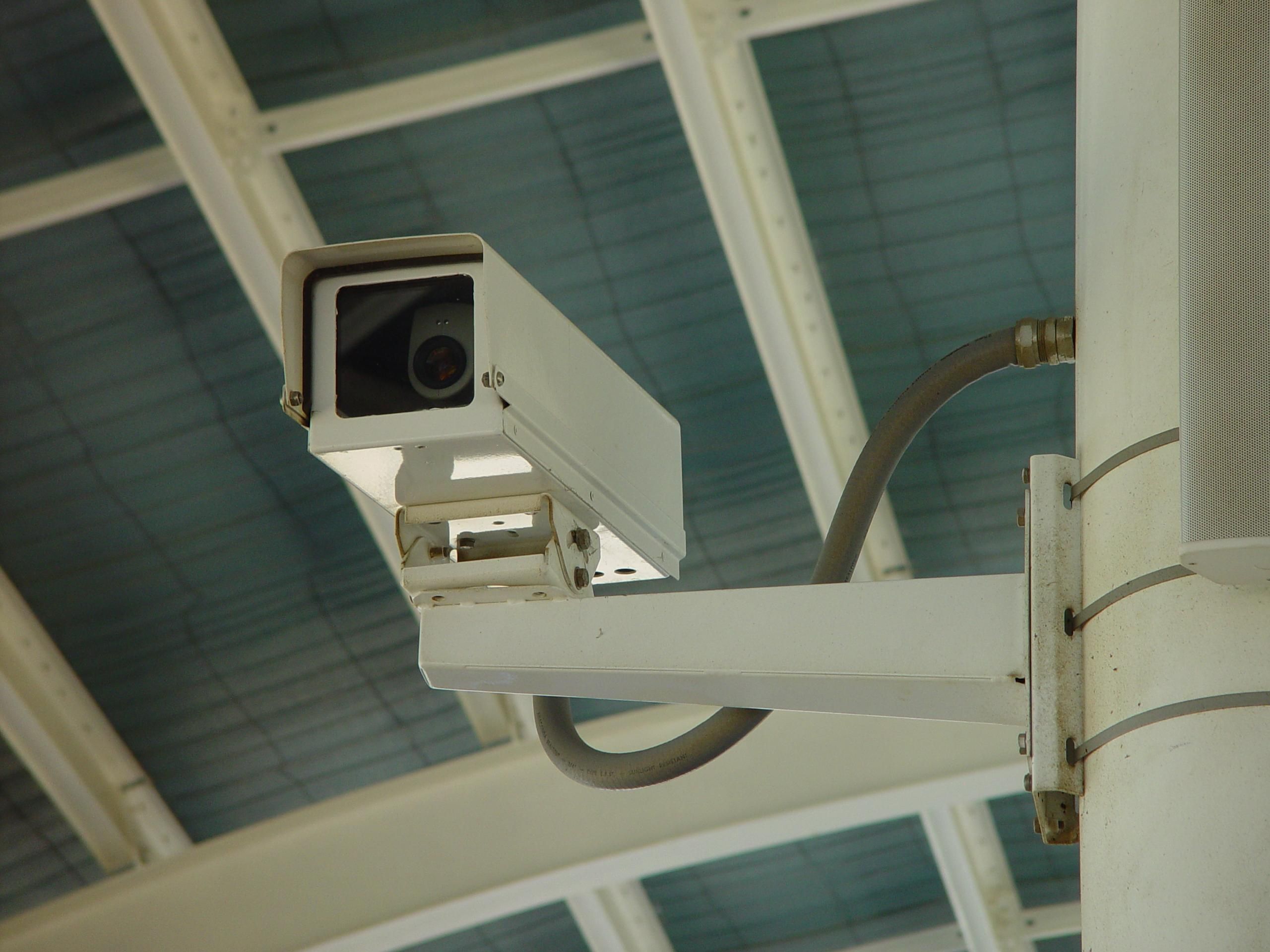
With surveillance technology becoming cheaper and more advanced, law enforcement agencies are incorporating this technology into crime fighting strategies. However, the courts that regulate the activities of law enforcement still rely on outdated privacy jurisprudence that does not weigh the new realities of advanced technology. Recently, U.S. District Judge William Griesbach for the Eastern District of Wisconsin denied a request to suppress video evidence that Drug Enforcement Administration (DEA) agents had gained from installing cameras on private property without a warrant. The private property in question was a large area of land that was surrounded by a fence bearing “no trespassing” signs. The cameras were installed to get video of defendants, Marco Magana and Manuel Mendoza, using the land to grow marijuana. Continue reading

When a Textbook You Brought Isn’t Really Yours . . . .

Photo Credit: Chrystal Parsons

By Colin Conerton

For many students, buying textbooks online from private sellers is a wonderful way to save money while in school. Typically, the cost of a used book is substantially lower than buying a new one. Unfortunately for students and sellers, this money saving practice could be severely impacted in the near future. Continue reading

Jury Misconduct Allegations Arise Following Verdict in the Apple v. Samsung Patent Litigation

Photo Credit: CNET

By Daniel Shickich

Just weeks after a jury handed Apple Inc. a billion dollar victory over rival Samsung Electronics Co. in a patent infringement suit, Samsung is heading back to court, asking that the verdict be dismissed due to juror misconduct. In a Motion for Judgment as a Matter of Law, New Trial and/or Remittitur Pursuant to Federal Rules of Civil Procedure 50 and 59, filed on October 3, 2012, in United States District Court, Northern District of California, San Jose Division, Samsung alleges that jury foreman Velvin Hogan failed to disclose a lawsuit and his personal bankruptcy during voir dire, made public statements suggesting that he failed to answer the Court’s question truthfully to secure a seat on the jury panel, and provided other jurors with incorrect and extraneous legal standards during deliberations. Continue reading

California Debates Labeling Requirements for Genetically Engineered Foods

Photo Credit: Shaun Best — Reuters NewMedia, Inc./Corbis

By Jessica Belle

While most of the country is focused on the presidential election, another electoral battle wages in California over genetically engineered foods. This November, Californians will vote on whether to enact “The California Right to Know Genetically Engineered Food Act,” or “Proposition 37.” If the proposition passed, California would become the first state in America to regulate the labeling of genetically engineering foods. Recent efforts to petition the Food and Drug Administration to implement regulations similar to Proposition 37 have not been successful, and thus the issue may have to be resolved, if at all, at the state level instead of the federal level. Continue reading

Copyright Registration: A Key Distinction for Internet (Web?) Music Publishing Outside of the U.S.

Cover of “Acidjazzed Evening”

By Nick Kajca

Count me among those who assumed there was no meaningful distinction between posting content on the “internet” and posting on the “World Wide Web.” As it turns out, the Eleventh Circuit would beg to differ. At least when it comes to determining what constitutes a published “U.S. work,” for purposes of applying the copyright registration requirement – a statutory mandate for registration in order bring an infringement action under the Copyright Act unless a work is first “published” outside of the U.S. In Kernel Records Oy v. Mosley, No. 11-12769, slip op. at 32 (11th Cir. Sept. 14, 2012), a case arising in the context of global online music publishing and distribution, the Eleventh Circuit issued a detailed opinion holding that where and when first publication occurs can depend upon a critical distinction between merely distributing content over the “internet” and publishing content that is available globally on the World Wide Web. Continue reading