NAGPRA Revisions: A Win for Tribes

By: Bella Hood

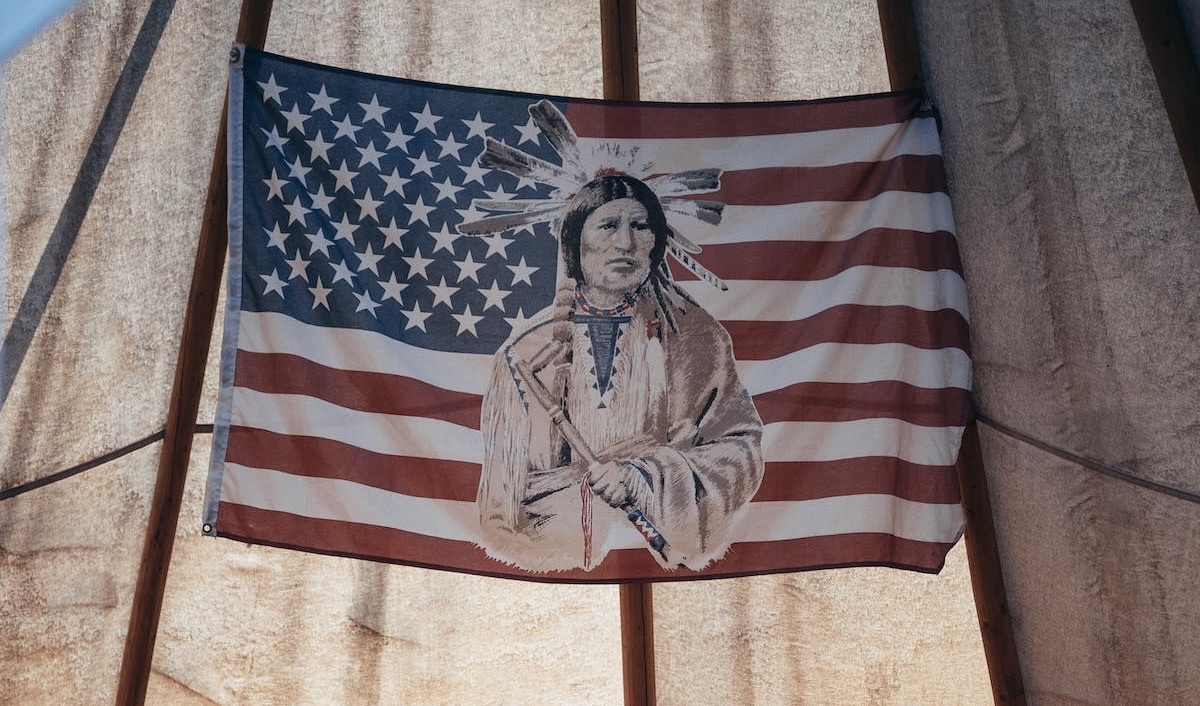
A recent overhaul of the 1990 Native American Graves Protection and Repatriation Act (NAGPRA) has museums across the country closing exhibits and entire halls displaying indigenous objects to comply with new requirements. In December 2023, the U.S. Department of the Interior enacted revisions to NAGPRA that apply to human remains, funerary objects, sacred objects, and objects of cultural patrimony. All museums and federal agencies in possession of these types of items must comply with NAGPRA’s new provisions. 

NAGPRA requires consultation with lineal descendants, Native American Tribes, and Native Hawaiian organizations as well as prohibiting the display of any objects subject to NAGPRA without consent. The collaborative approach allows all parties to determine the rightful owners of the objects. Because some of the pieces have difficult origins to trace, museums could previously avoid returning items by claiming indeterminable origins. The revision makes it more difficult for museums to demonstrate this type of behavior by adding additional documentation requirements to ensure the museums performed proper due diligence. 

The Biden Administration has been applying pressure to promulgate NAGPRA’s revisions since 2021. The consequence for noncompliance is a civil penalty issued by the Secretary of the Interior. The size of the penalty is fact-specific, taking into account the archaeological, historical, or commercial value of the item, the damages suffered by the aggrieved party, and the number of violations that have occurred. The threat of civil penalties appears to be a strong enough deterrent to spur museums to act quickly. On January 27, 2024, the American Museum of Natural History in New York City closed two exhibit halls, the Eastern Woodlands and Great Plains Halls, indefinitely. These exhibits were an amalgamation of objects from tribes in Montana, the Dakotas, Wisconsin, and other states. The closure will also extend to other displays within the museum.

In a staff letter, originally reported by The New York Times, the president of the American Museum of Natural History wrote that the museum’s actions reflected “a growing urgency among all museums to change their relationships to, and representation of, Indigenous cultures” and that the existence of the exhibits did not respect the “shared humanity of Indigenous peoples.” He added that “[a]ctions that may feel sudden to some may seem long overdue to others.”  This view is not one commonly shared historically by other museums, as evidenced by previous behaviors that took advantage of loopholes to avoid repatriation.

Other notable museums have followed suit in response to NAGPRA, including the Field Museum of Natural History in Chicago. The Field Museum covered up numerous display cases featuring Native American cultural items, including items from at least ten Native nations in the Pacific Northwest 

NAGPRA does not apply to private collections or auction houses, though the 10th Circuit previously ruled it does include the individual trade of Native American objects. The same cannot be said for items exported for sale in foreign countries. Even so, NAGPRA has the potential to force repatriation of thousands of items across the nation. From the American Museum of Natural History alone, at least 160 tribes may be eligible to reclaim items. From the Field Museum in Chicago, at least 134 tribes may be eligible. Ultimately, tribes appear to be responding positively to the revisions. According to NPR, the tribes have been pushing for this progress for years and are pleased to see museums taking action. Although the tribes are happy to see progress, in a 2020 report by the United States Government Accountability Office, sixty-two percent of surveyed tribes felt their input on federal government decisions regarding NAGPRA issues was undervalued and insufficiently weighed. While it is yet to be seen just how fruitful the new NAGPRA will prove for Tribes in the United States, the stricter requirements provide an opportunity for museums to step up and correct their mistakes.

The Making of a Myth: Big Tech, Billionaires, and the Wild West

By: Sofia Ellington

When former Amazon CEO, and current billionaire, Jeff Bezos and his girlfriend Lauren Sanchez appeared on the cover of Vogue in November 2023, social media was on fire, incredulous over the cover that seemed to exaggerate the tech billionaire’s biceps. Less ablaze was discussion about the setting for the photoshoot: Bezos’s ranch in West Texas. Dressed like Hollywood cowboys, Bezos and Sanchez harkened back to imagery of American film icons such as John Wayne and Clint Eastwood. While the glitzy couple may seem to be a far cry from the national icon that has come to represent rugged individualism, personal freedom, and self reliance, I argue that the choice to exhibit Bezos as a modern cowboy reveals a salient truth about the status of billionaire tech tycoons and the businesses they champion: just like the American cowboy, the law has aided in making the myth of the genius tech billionaire. Both myths demand a harder look.  

The myth of the western cowboy plays on false myths of life on the range. The archetype of heroism and self-reliance is more accurately characterized as a life sustained by government subsidy and lack of oversight. The myth of the genius tech billionaire has captured the American imagination in much the same way as the cowboy. Distrust of government overreach and spending as well as lack of resources for life’s essential building blocks like housing, school, and healthcare leads to semi-reliance on the ultrawealthy’s philanthropic escapades and leave us in awe of their romanticized entrepreneurial genius. Behind the myth are exploitative practices that implicate anti-competitive practices and concerns over consumer exploitation. 

First, we must understand the cowboy archetype. Look no further than country music for imagery of the romanticized cowboy. In his 1993 hit, “Should’ve Been a Cowboy,” the late Toby Keith croons longingly, “Go west young man, haven’t you been told? / California’s full of whiskey, women and gold.” Drawing on the promise of manifest destiny, the cowboy archetype is full of imagery of young, brave men going West to an empty landscape full of opportunity, independence and a chance to strike it rich off the plentiful natural resources. In reality, the land in the West was never unoccupied because it had been the homeland of Native Tribe’s since time immemorial, and the seemingly endless supply of natural resources was a delicate environmental balance easily disrupted by exploitation

Initially, Federal laws encouraged early western homesteaders to settle by offering 160 acres of federal land for only the cost of an initial filing fee. Along with those 160 acres, ranchers and homesteaders were able to claim water rights and graze their cattle on public lands at no cost. The sense of ownership over public western lands increased, and some cattle ranchers began to erect barbed wire enclosures to keep out other competing users of the land, along with other tactics that created a hostile atmosphere that helped keep competition away. 

After a long period of little federal oversight, the increasing enclosure of public land and environmental concerns over grazing practices spurred Congress to act. In 1885 they passed the Unlawful Enclosures Act and then Taylor Grazing Act in 1934. The U.S. Supreme Court’s 1895 decision in Camfield v. United States, made clear that private landowners could not make exclusive use of public lands and resources, holding a Nevada cattle rancher had violated the Unlawful Inclosures act after he fenced off nearly 20,000 acres. Additionally, the dust bowl in the midwest warned of the environmental consequences of overgrazing. The Taylor Grazing Act purported to curb future damage to the lands through establishing grazing districts and requiring grazing fees to be paid to the Bureau of Land Management. Congress must take similar legislative action to respond to the growing tech industry to help control the power that tech companies, and their billionaires, have on the economy and their consumers. 

Like a rancher’s exploitation of public lands to the determinant of other users, big tech has been able to harvest invaluable information and record breaking profits from a resource they never had to pay for: your data. Additionally, the escapades of once worshiped tech tycoons such as Bezos, Sam Bankman-Fried, Mark Zuckerberg, Elizabeth Holmes, and Elon Musk make even the biggest sycophants take pause.

In addition to the criminal proceedings some tech entrepreneurs are facing, the big tech business model is going through an antitrust reckoning thanks to the Federal Trade Commission (FTC) launching lawsuits against Amazon, Google, and Apple, to name a few, for alleged tactics that disadvantaged their rivals leading to illegal monopolies that hurt consumers. Policy on emerging technology has long prioritized the economic and social benefits of a connected world. That has left guidance on how to hold tech companies and their billionaires accountable for how they exploit user data, like early rangeland policies, severely lacking

Many of the provisions in the U.S. data privacy framework only minimally restrict businesses and allow for the maintenance of the status quo. Unlike Europe’s comprehensive privacy law, General Data Protection Regulation (GDPR), the United States only has a conglomeration of laws that target specific types of data. For example, the Health Insurance Portability and Accountability Act (HIPAA) does not protect your private health information broadly, it only protects communication between you and your health care provider, or other similar “covered entities.” Additionally, the Gramm-Leach-Bliley Act (GLBA) requires that financial services like loan or investment service explain how they share data and requires an opt out option, but does not restrict how the data is used. The FTC is also empowered to go after companies that violate their own privacy policy by, for example, deceiving users as to the protection their products offer. Other federal laws such as the Fair Credit Reporting Act, The Family Education Rights and Privacy Act, and the Electronic Communications Privacy Act help to fill in the universe of federal U.S. data privacy. Your state’s laws may also offer additional protections

In addition to frustration with a lack of coordinated data protections that tech companies regularly exploit, public blowback on lack of taxes on the ultra-wealthy and reports that billionaires became richer during the pandemic has invigorated popular distaste for billionaires and an interest in holding their companies accountable. A slew of recent lawsuits have aimed at section 230 of the Communications Decency Act, which immunizes tech companies from liability related to content posted by their users. The U.S. Supreme court however, in both Twitter, Inc. v. Taamneh and Gonzalez v. Google, have balked at holding the tech giants liable when their algorithms promote problematic content, allegedly “aiding and abetting” terrorism.  Given the intense scrutiny that billionaires and big tech have been under recently, it is no surprise that Bezos tried to invoke the beloved American cowboy fantasies of freedom from federal oversight, independence, and self-reliance on the cover of Vogue. The irony is that by invoking the myth of the cowboy, Bezos’ cosplay underscored the need for more government oversight and regulation. Just as the practices of fencing off public land and overgrazing lead to more government oversight of ranch life, public frustration with the exploits of big tech are coming to a tipping point which suggest that a breakthrough is imminent. Just last month the FTC moved to ban data brokers from selling geolocation information for “sensitive data locations” such as visits to correctional facilities or reproductive health clinics. While big tech has had the tendency to divide and isolate, it has also provided the tools for a more connected public that has the potential to collaborate in order to protect against the disastrous consequences of unchecked exploitation of public resources.

Who’s Your Drug Dealer? Snapchat and Section 230 Under Scrutiny

By: Caroline Dolan

While Snapchat may no longer feel as trendy as it once was, the social media platform is alive and well. However, the same cannot be said for all its adolescent users. Snapchat’s unique filters and features attract 406 million daily active users, but the app is being dubbed “a haven for drug trafficking” by grieving parents. Numerous parents are seeking justice for their children who used Snapchat to purchase drugs unknowingly laced with fentanyl. While Section 230 would normally immunize a social media platform from civil liability and be grounds for dismissal, a Los Angeles judge has denied Snapchat’s invocation of Section 230 immunity and overruled twelve of its sixteen demurrers. In other words, the judge has determined that the causes of action asserted by the Plaintiffs have merit and will continue through the litigation process. 

A Snapshot of Section 230 

The Communications Decency Act (“CDA”) of 1996 was passed in light of the internet’s rise and Congress’s desire to protect children from exposure to dangerous content, particularly pornography. However, out of fear that platforms would overly censor themselves to avoid violating the CDA, Congress passed the Internet Freedom and Family Empowerment Act, better known as Section 230. Section 230(c) governs the liability of providers of an “interactive computer service” and states that “No provider or user of an interactive computer service shall be treated as the publisher or speaker of any information provided by another information content provider.” In other words, an “information content provider” like Twitter or Facebook cannot be held civilly liable for what you or your friend post. It also cannot be held liable for voluntarily moderating content in good faith. While Section 230 does not protect against federal crimes, ​​electronic communications privacy law, or intellectual property violations, it is still a wide-reaching shield and online platforms rarely hesitate to invoke it. 

The Suit Against Snap

Represented by the Social Media Victims Law Center, the Plaintiffs asserted that Snap’s product features and business choices resulted in the serious injury and foreseeable deaths of their children. The Plaintiffs alleged that Snap’s automatic message deletion, location mapping, and “quick-add” features create an inherently dangerous app and enable kids to connect with adult predators. The parents contend that Snap has been aware that the app is an “open air drug market,” yet failed to implement any meaningful changes to improve age and identity verifications or prevent foreseeable consequences. Notably, the Plaintiffs did not allege that Snap is liable for failing to eliminate or moderate the content of the third-parties selling drugs, but rather that the “feature-packed social media app” facilitates an unreasonably dangerous avenue for strangers to contact vulnerable adolescents. 

Snap demurred to all sixteen alleged causes of action and invoked general immunity under Section 230. It advocated for an extremely broad reading of the statute and asserted a “but for”/ “based on”/ “flows from” construction wherein, “if the alleged harm flows from the content provided by third parties, Section 230 applies.” In Snap’s view, it should be privy to Section 230 immunity because the Plaintiffs’ children would not have been injured but for the content of the third-party drug dealers.

The Ninth Circuit’s three-prong test established in Barnes v. Yahoo!, Inc. applies Section 230 immunity to “(1) a provider or user of an interactive computer service (2) whom a plaintiff seeks to treat, under a state law cause of action, as a publisher or speaker (3) of information provided by another information content provider.“ 

In Neville v. Snap, Inc., the judge agreed with Snap that as an (1) “interactive computer service,” Section 230 absolves it from liability as a (2) “publisher or speaker” of any (3) information posted by third-party users. However, the judge concluded that the Plaintiffs had not alleged that Snap was a “publisher or speaker.” Rather, the allegations centered on the purported unreasonably dangerous and defective product. The judge recognized the unsettled bounds of Section 230 but nonetheless found that the claims related to Snap’s product and business decisions were “independent … of the drug sellers’ posted content” and beyond Snap’s “incidental editorial functions” (e.g. choosing to publish, remove, or edit content), which Courts consistently have held as protected under Section 230.

Snapchat On The Docket

Section 230 does not have the same meaning or relevance as it did nearly forty years ago. Yet, it continues to tread through pressing issues related to AI technology, national security, and public health and safety. The Supreme Court has continued to sidestep these questions but may soon be forced to more clearly define this statute. Neville v. Snap, Inc. will seek to clarify the outer bounds of Section 230 as well as provide justice and solace to the victims’ families.

Bad Beat: Iowa Gambling Probe Allegedly Violated Student Athletes’ Constitutional Rights with Warrantless Geofence

By: Sam William Kuper

“I hope all of these athletes at Iowa (UI) and Iowa State (ISU) take the State of Iowa to the cleaners.” UI men’s wrestling coach Tom Brands did not mince words describing the recent fallout from actions taken by the Iowa Division of Criminal Investigation (DCI) against student athletes. Last year, over a dozen student athletes and students at UI and ISU were criminally charged and some were suspended by the NCAA under suspicion of illegal sports gambling. However, a recent motion by defendant Isaiah Lee, a former ISU football player, alleges that the  charges were a result of an unconstitutional “warrantless search.”

Initial Investigation

Back in May of 2023, the DCI initiated an investigation of UI and ISU student athletes suspected of sports gambling in violation of state and NCAA rules. 25 current or former UI and ISU athletes and student managers were charged because of the investigation. Many for “tampering with records”—an aggravated misdemeanor that carries a maximum sentence of up to two years in prison—for allegedly falsifying personal electronic sports wagering records by utilizing the accounts of others to place sports bets. 16 pleaded guilty, with most pleading guilty to the lesser charge of underage gambling. Some of those charged were subsequently suspended by the NCAA, with different punishments depending on whether their wagers were on their own games or that of other sports or schools. For example, Isaiah Lee faced permanent ineligibility for placing a bet against his own team in a game where ISU beat Texas 30-7.

Alleged “Warrantless Search”

Isaiah Lee’s January 22nd Motion to Compel outlines his version of the facts. First, it is important to understand that gambling companies such as FanDuel and DraftKings must verify the location of their mobile users to make sure they are in a jurisdiction where sports gambling is legal. They do so via the company GeoComply, who act as the “custodians of data and processing” on behalf of their customers.

In December of 2022, Special DCI Agent Brian Sanger was given access to GeoComply’s data visualization and data analytics tool, Kibana. He used the software tool to place a “Geofence”—a virtual fence on a desired geographic area that reveals data of users within that area—around an athletic facility at UI where access is restricted to athletes, coaches, and support personnel. After he found gambling apps were opened inside the geofence, he requested subpoenas to obtain identifying account and bet information—leading to criminal charges for the student athletes.

According to the motion, Sanger did not remember why he initiated the search, but that he was “concerned about things such as people infiltrating Iowa’s sports team to gain insider information or match fixing.” However, he apparently did so without “warrant[s], tips, complaints, or evidence that illegal gambling was occurring.” The purpose of the discovery motion is to compel the State to disclose the circumstances and communications surrounding how and why Sanger and the DCI came to be in use of Kibana, and the types of searches he performed with it. For context, GeoComply’s website states they only comply with data requests from law enforcement if it is “legally binding and valid.”

What is a Fourth Amendment regulated search?

The Fourth Amendment of the U.S. Constitution protects people from unreasonable searches and seizures by government actors (like Sanger). The modern “reasonable expectation of privacy” or “REP” test as to whether Fourth Amendment protections apply was stated in Justice Harlan’s concurrence in Katz v. United States (1967): (1) the person must have exhibited an actual (subjective) expectation of privacy; and (2) that expectation must be one that society is prepared to recognize as “reasonable.” If these requirements are met, then the Fourth Amendment applies and the government needs a warrant based on probable cause to search.

However, under the “third-party exposure doctrine,” a person has no legitimate expectation of privacy in what they knowingly expose to the public or third parties. For example, the Supreme Court has held that there is no REP in garbage left on the curb of your home for pickup. But this standard has been heavily controversial in the digital age, as modern consumers often “reveal a great deal of information about themselves to third parties”—such as Google, Facebook, and their cell phone providers. In the landmark case Carpenter v. United States (2018) a 5-4 court declined to extend this doctrine to tracking cell-site location information for longer than seven days—suggesting that users have a reasonable expectation of privacy in their location history despite its disclosure to parties like Google. In addition, the court held in Kyllo v. United States (2001) that “[w]here . . . the Government uses a device that is not in general public use, to explore details of the home that would previously have been unknowable without physical intrusion, the surveillance is a ‘search’ and is presumptively unreasonable without a warrant.” There, the government unconstitutionally used a thermal imaging device to scan the defendant’s home for heaters used in growing marijuana without a warrant. 

Did the student athletes have a REP?

The question of whether student athletes like Isaiah Lee are protected by the Fourth Amendment is complicated. While the first prong of the REP test is uncontroversially met, the second prong, along with the third-party exposure doctrine, raises many questions.

For example, what kind of location data was used? GeoComply’s website says they collect GPS, GSM, Wi-Fi, and IP Address data from the user’s device to verify location accuracy. Many universities, like UW, have a policy of turning over evidence of illegal activities on their network as soon as possible after detection. Thus, one would likely not have a REP of illegal activities while on UW’s network (however, UI does appear to have a greater level of privacy protection). But if, by chance, GeoComply only used GPS data, and the students were using solely their cellular network to access the gambling applications, there would likely be a stronger argument in favor of a REP.

With the alleged facts we have as of now, this case resembles Kyllo. The government used “a device that is not in general public use” (geofence software Kibana) “to explore details of the home that would previously have been unknowable without physical intrusion” (whether mobile phones in dorms and athletics facilities accessed gambling apps) without a warrant supported by probable cause. The debate is whether a public school’s dorms and athletics facilities should carry the same level of protection as a home.

What would be the remedy?

If the court finds Sanger’s use of the geofence software to be unconstitutional, the remedy would be the “exclusionary rule.” This would prevent the government from using the evidence gathered, along with any evidence gathered because of the original evidence (such as the identifying account information gathered because of the original geofence) in criminal prosecution. Thus, all the currently pending UI and ISU cases would likely be dismissed. But could the students then bring a civil action against Sanger under 42 U.S.C. 1983 for compensatory damages (such as lost wages from being suspended by the NCAA)? That is an entirely different question.

A Seat at the Table: USPTO’s Tribal Consultations Open Conversations Surrounding Indigenous Knowledge Rights 

By: Mackenzie Kinsella

Native American intellectual property (IP) has a history of being used without the permission and authorization from Indigenous communities. Indigenous IP encompasses traditional knowledge, genetic resources, and traditional cultural expressions. Traditional knowledge can include skills and practices concerning biodiversity, agriculture or health. Genetic resources could, for example, comprise of plants, seeds and medicine formulas. Traditional cultural expressions can involve folklore, symbols, designs, music, and performance

There is a complex and challenging relationship between IP systems and protection of Indigenous knowledge. Certain mechanisms for IP protection create gaps and barriers for Indigenous innovators. Often formal IP protections require the identification of specific individual creators and inventors, however, this “ownership” requirement stands in contrast with Indigenous conceptions of “ownership.” Additionally, Indigenous knowledge may not meet “originality” or “novelty” requirements under current IP standards. These gaps and barriers for Indigenous knowledge protection create opportunities for Indigenous knowledge to be used without consent from Tribes. 

Some examples of Indigenous IP being used without any tribal permission include, Stephanie Meyer’s use of the Quileute tribe’s origin story, which misappropriates and misrepresents Quileute traditions. Another example of misuse of Indigenous IP is Allergan’s use of the Saint Regis Mohawk tribe’s formula to make an eye drop drug, and transferring ownership of all of the Allergen’s eye drop patent back to the Tribe in order to attempt to attain sovereign immunity against specific legal challenges. These examples illustrate the difficulty and complexity that surrounds how Native Americans can protect their cultural properties. Current IP systems are not providing protection for Indigenous IP. However, the US Patent and Trademark Office (“USPTO”) is currently seeking input from Tribal Nations input regarding Indigenous IP.  

US Patent and Trademark Office Seeking Comments from Tribes

On October 24, 2023, the USPTO published two notices requesting input from Tribal Nations regarding protection of Indigenous IP. The USPTO intends to hold formal tribal consultations, which are two way government-to-government dialogues between Tribes and Federal agencies where Federal proposals are discussed. These tribal consultations are the first tribal consultations that the USPTO has held with Tribes. The USPTO’s proposed tribal consultations are to address any concerns regarding how the current IP system protects genetic resources and traditional knowledge that Tribes have. The consultations will be discussed with the World Intellectual Property Organization (WIPO), which is an organization that focuses on intellectual property world-wide and has been focused on protecting resources for Indigenous People. The WIPO Intergovernmental Committee’s negations could potentially lead to specific countries acceding to a treaty and creating legal instruments to protect genetic resources, traditional knowledge, and traditional cultural expression. These formal consultations have been applauded by the Native American Rights Fund (NARF) and the National Congress for American Indians (NCAI), the latter express how these consultations are necessary to move the United States federal government forward towards respecting Tribal Nations as the holders and guardians of these specific aspects of their cultures.

The First Notice by the USPTO offers 19 questions for Tribes and their representatives to provide their input on the IP protection of genetic resources and traditional knowledge. The First Notice comment period ended Monday January 22, 2024. The Second Notice by the USPTO involves hosting formal tribal consultations in January 2024. The USPTO alongside the WIPO, and other federal agencies will be focused on providing the USPTO insight into how Tribes foresee how the USPTO should make changes, and assist in defining what terms and phrases should be used

What Do These Formal Consultations Mean for Tribes? 

Previously, the USPTO has had a position of aligning with corporations and allowing access to Indigenous Intellectual Property at the expense of Indigenous communities. Now, the formal consultations, which will include federally recognized Tribal Nations, state-recognized Tribal Nations, and Native Hawaiians and their representatives, signal a shift in the USPTO’s previous position to one that recognizes the importance of protecting Indigenous People’s right to their intellectual and cultural property. The USPTO is interested in working with the WIPO to identify some soft laws regarding Indigenous knowledge. Some examples of this include publishing joint recommendations, best practices, and toolkits, which could be beneficial to Tribal Nations. However, Tribal organizations, like the Native American Rights Fund, have expressed that Indigenous peoples are concerned in how to ensure that these consultations are meaningful and produce an actual impact in the United States

In conclusion, these consultations provide hope for Indigenous communities to have the opportunity to express their concerns surrounding Indigenous knowledge. Furthermore, the ability to have a seat at this table, with the USPTO, signals a positive step towards ensuring the rights and heritage of Indigenous Peoples are safeguarded in the realm of IP.