
Are Individual Privacy Rights the Appropriate Approach?

By: María P. Angel

In the last four years, the U.S. public policy debate about privacy has revolved around different proposals for comprehensive privacy legislation, both at the federal and state level. Since the California Consumer Privacy Act (CCPA) passed in 2018, more than half of the states in the U.S. have proposed comprehensive privacy bills. Similarly, during this timeframe, dozens of privacy-related bills have worked their way through the halls of the U.S. Congress

Accordingly, U.S. policymakers’ efforts regarding privacy have lately focused on: (i) granting individual data privacy rights; and (ii) requiring the implementation of internal compliance mechanisms within companies that collect, use, or transfer personal data. These measures look to empower consumers and make data collectors more accountable. This, as a response to the already-proven failure of privacy’s traditional notice-and-consent regime and as an attempt to come closer to GDPR-style protection.

From the outside, the American privacy community appears pleased to see these ongoing debates. Of course, controversies abound around the nuts and bolts of the proposals, especially when it comes to introducing a private right of action or selecting an opt-in or opt-out approach. In fact, these are some of the reasons why proposed bills have not been approved in past legislature sessions, as has repeatedly happened in the state of Washington. But, overall, it seems like all sectors agree that discussing these bills is the right way to go.

However, this is not necessarily the case for at least a big chunk of American privacy law scholars. A review of recent law review articles sheds light on what seems to be a common claim among the American privacy law scholarship: even if these comprehensive bills are passed, they will not have tackled the real problem. So, what is the real problem? Well, according to a considerable portion of scholars, there are at least two.

First: privacy has some social/relational dimensions that these legislation proposals fail to address. Besides individual data, people’s privacy decisions are made over shared data (data directly connected to other people) and interrelated data (data that can be used to infer data about others). For instance, my genetic data is shared, because it reveals my inherited or acquired genetic characteristics and those of my family members. Similarly, my behavioral characteristics are interrelated data, because they can be used to make inferences about other people classified in my same market segments (e.g., women, Latinas, lawyers, first-generation graduate students, etc.). Therefore, whenever I choose to share any of this information, I am not only deciding over my data but the data of others. 

These relational dimensions, sometimes called by scholars as “networked privacy,” “privacy dependencies,” “privacy externalities,” or “data’s relationality,” cast doubt over the real usefulness of the individual privacy rights that lawmakers are currently working on. At least—privacy scholars claim—, they make evident the limitations of these rights, in an information economy where more and more data are shared and interrelated, and where, therefore, our privacy not only depends on our exercise of those rights but on the decisions and disclosures of other people.

Second: privacy violations are fueled by and result in power asymmetries that are not being challenged by these laws. Information is power—Neil Richards would say—and power is currently concentrated in the hands of a few tech companies who weaponize data-driven technologies to influence and manipulate us. Even more, different scandals have made evident that data can be a tool of oppression and subordination, “whether it is used to train totalitarian facial recognition models surveil protestors, send people to jail, or subjugate vulnerable populations.” Therefore, it has become evident that privacy “is [really] about how power is distributed and wielded.” 

As Ari Waldman posits, compliance mechanisms like the ones currently discussed by legislators “do not upset traditional structures of power.” Rather, by reinforcing already entrenched powers, they seem to ignore more structural questions about power differentials and justice. In other words, they are simply not designed to rein in data extraction.

As a result, a big portion of American privacy law scholars have been calling for what Woodrow Hartzog and Neil Richards call “the third way,” and which Ari Waldman has referred to as “a ‘third wave’ for Privacy Law.” Basically, they suggest legislators to consider adopting a more holistic solution, “a more nimble, layered, and inclusive approach that protects personal data but also looks beyond it to account for things that data protection often fails to consider: power, relationships, abusive practices, and data externalities.‬”‬ This would include, for example, implementing duties of data loyalty, adopting a radically democratic approach to data governance, and augmenting individual privacy rights with broader measures that are more societal and architectural in nature

Are these proposals sufficiently developed to be considered possible and realistic alternatives? Shouldn’t these be complementary rather than alternative measures to the individual data privacy rights? Isn’t it already too late to recalculate the current legislative route? Is it even strategic to abandon this approach? Isn’t it too much to ask for privacy to rein in data exploitation? These are all valid questions that should be debated. But, at the very least, these scholarly arguments deserve to be heard and publicly discussed. Since the birth of the right to privacy in the U.S., privacy law scholarship has played a determinant role in the development of American privacy law. And this should be no exception.

Differential Privacy and the U.S. Census

By: Zoe Wood

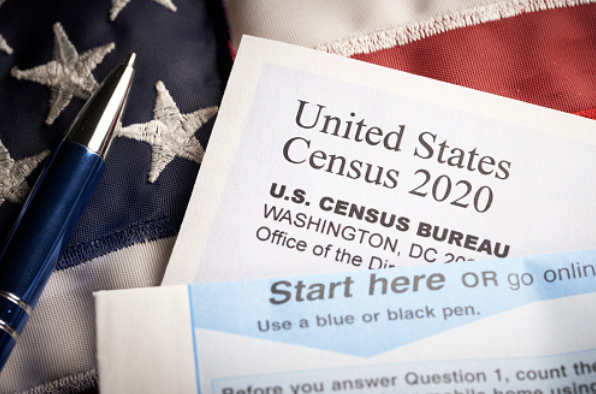
In 2020, the U.S. Census Bureau applied differential privacy to U.S. Census data for the first time. This was in response to a growing understanding throughout the early 2000s that large data sets which have been reasonably de-identified can be cross-referenced with other large data sets to the point of identifying individual data points

But as the privacy risks associated with collection and publication of personal data on a huge scale increase, the Bureau’s need to collect accurate and comprehensive data every ten years remains constant. And these two requirements have an inverse relationship. The more accurate and useful a data set, the easier it is to identify; the more obscured, the harder it is to use in the service of understanding the nuances of the U.S. population. Moreover, adequate privacy measures are essential to convincing potential census respondents–“especially among people of color, immigrants and historically undercounted groups who may be unsure of how their responses could be used against them”–that responding to the census is safe. Differential privacy provides a sophisticated computational method for balancing privacy with accuracy, calibrated to the nature of a given data set.

Legal census data protection 

The tension between useable data and individual privacy is not new to the Census Bureau. The Census is fascinating in the context of privacy law because it represents a well-documented microcosm of government thought on large data sets and privacy in addition to what types of data have been considered worthy of protection over the years. As early as 1840, officials responsible for the census became aware that poor response rates among certain professional groups were due to privacy concerns, and the following year, officials were required to treat information “relative to the business of the people” as confidential. By the turn of the century, officials were threatened with fines and eventually imprisonment for revealing protected census information–privacy by threat of punishment. 

When legislation around census data privacy began to develop at the beginning of the 20th century, it continued to protect only business data. 1940 marked the first year in which census privacy laws protected census data about people, although the protection was quickly overturned during the Second World War, when the American government used its individual census data (micro data) to intern Japanese Americans and Americans of Japanese ancestry.

13 U.S.C. § 9 passed in 1954. It prohibits use of census data “for any purpose other than the statistical purpose for which it is supplied,” “any publication whereby the data furnished by any particular establishment or individual under this title can be identified,” and “anyone other than the sworn officers and employees of the Department or bureau or agency thereof to examine the individual reports.” Section 9 also makes census data “immune from legal process” and prohibits its use as evidence or for any other purpose in “any action, suit, or other judicial or administrative proceeding.” Notably, Section 9’s consolidation and strengthening of census data privacy law did not prevent the Census Bureau from providing “specially tabulated population statistics on Arab-Americans to the Department of Homeland Security, including detailed information on how many people of Arab backgrounds live in certain ZIP codes” in 2002 and 2003. 

Extra-legal census data protection 

In 1920, data analysts at the Census Bureau first used (crude) statistical measures to prevent disclosure of, once again, business information. They did so by manually pouring over the data sets and hiding potentially compromising information. The first automatically tabulated census arrived in 1950; in 1960, the Bureau’s “disclosure avoidance techniques” for public-use microdata samples involved only the removal of direct identifiers and a geographic population threshold of 250,000. In 1980, the Bureau introduced the  “top coding” technique which eliminates the upper outliers in a data file, on the theory that outliers are more readily identifiable. In 1990, the Bureau top coded more categories of data and introduced “recoding,” which combines categories of data with fewer than 100,000 people or households. The 1990 census also used an “imputation” method by which original data were modeled, which flagged unique data points. Those points were “blanked” and replaced with a value generated by the model. 

Despite this increase in sophistication, Dr. Latanya Sweeney, who is the Daniel Paul Professor of the Practice of Government and Technology at the Harvard Kennedy School, analyzed 1990 census data and demonstrated that 87% of the population could be identified by a combination of zip code, date of birth, and gender. Dr. Sweeney’s revelation came in 2000, which was the first year that census results were published online. Even so, the Bureau’s disclosure avoidance techniques progressed slowly. Through the 2010 census, it continued to apply direct de-identification, recoding, top coding, and bottom coding in addition to implementing newer techniques such as swapping (characteristics of unique records are swapped with characteristics of other records), use of partially synthetic (model-generated) data, and noise infusion.

So what is differential privacy??

Differential privacy begins from the principle that privacy is a property of a computation rather than a property of the output itself.  Wikipedia puts it very well: differential privacy is “a system for publicly sharing information about a dataset by describing the patterns of groups within the dataset while withholding information about individuals in the dataset.” This means that a data analyst working with the output of a differentially private algorithm should know no more about any individual in the data set after the analysis is completed than she knew before the analysis began.

The implementation of differential privacy has two major components: (1) a randomized algorithm and (2) ε,which denotes some positive real number. ε is likened to a “tuning knob” which balances the privacy and accuracy of the output. Depending on the value given for ε, the output of the differentially private algorithm will be more accurate and less private, or more private and less accurate.

While differential privacy will better protect publicly released microdata samples from analysts, it does assume the existence of a trustworthy curator who collects and holds the pre-processed data of individuals. In the case of the U.S. Census, this trusted curator is the Census Bureau and its agents. Adherence to § 9 is still essential to prevent further privacy violations and breaches of public trust. And arguably, as demonstrated in 2002 and 2003, § 9 isn’t strong enough to ensure the ethical use of U.S. census data. Even the most sophisticated iteration of computational privacy is only as strong as the policy of its implementers.

The Simpsons’ Cautionary Tale about Mandatory Reporting and the Trauma of Short Stays in the Child Welfare System

By: Stephanie Turcios

The creators of the animated series, The Simpsons, depicted the unintended consequences of our child welfare system in its 1995 episode titled, Home Sweet Homediddly-Dum-Doodily. In this episode, the Simpson children are sent to live with their neighbors, the Flanders, who serve as foster parents, while Homer and Marge complete a parenting class to get their children back. Sadly, the problems depicted in this episode still exist today. 

The Simpsons’ involvement in the child welfare system.

The Simpsons became involved in the child welfare system through a series of unfortunate misunderstandings. First, Bart went to school with head lice after playing with his best friend’s  pet monkey. Second, Lisa reported to the principal’s office without shoes after an altercation with bullies on the playground and her baby tooth fell out. Consequently, Bart and Lisa’s principal reported the children’s condition to Child Protective Services (“CPS”) out of concern for the children’s wellbeing. When the CPS agents arrived at the Simpson’s home, Marge and Homer were away for an afternoon getaway at the spa, but CPS found their home to be a “squalid hellhole.” Newspapers from 20 years ago were sitting on the kitchen table for Lisa’s school project, the dishes were not done, and the trash had not been taken out. The final straw for the CPS agents was the fact that Grandpa had fallen asleep while watching Maggie. Given the totality of the circumstances, the CPS agents believed Homer and Marge were negligent parents and immediately removed Bart, Lisa, and Maggie from their parents’ care. 

The episode continues by depicting how much the children miss their parents, and the hurdles Homer and Marge must overcome to regain custody of their children. Although this episode is comical and has a happy ending, this is not the case for many families impacted by the child welfare system. The Home Sweet Homediddly-Dum-Doodily episode provides an impetus for a deeper conversation about the problematic nature of mandatory reporting and the trauma children experience as a result of short stays in foster care.  

The problematic nature of mandatory reporting.

Principal Skinner was required to report the conditions of Bart and Lisa to CPS under the Child Abuse Prevention and Treatment Act (CAPTA). See 42 U.S.C. § 5106a(b)(2)(B)(i).  Like in The Simpsons episode, the unfortunate road to the child welfare system almost always begins with a report to CPS for suspected neglect via a mandatory reporter. According to the Children’s Bureau, in 2019, more than two-thirds (68.6 %) of all reports of alleged child neglect were made by mandatory reporters. 

Mandatory reporters are likely to overreport because of the financial and legal consequences built into our federal statute. First, to receive federal funding, states must require certain professionals to be mandatory reporters. Most states impose the mandatory reporting requirement on a lengthy list of professionals, including teachers, principals, and school administrators. Second, a mandatory reporter must report any suspected child neglect or abuse or risk possible incarceration and losing their license. Hence, mandatory reporting is a double edged sword because these are professionals that are able to help meet a child’s needs but are simultaneously instrumental in removing children from their parents’ care.

Unfortunately, research shows that mandatory reporting fails to protect children. According to an international qualitative study of mandatory reporters, most of whom were in the U.S., 73% of mandatory reporters reported negative experiences with the process. Mandatory reporters described experiences where children were revictimized by the process, their abuse intensified after the report, and children were placed in foster care environments that were worse than the family of origin.

The trauma of short stays.

Most Americans are unaware that the experience of the Simpson children depicted in the episode is common in real life. Children are removed temporarily (either for a few days or a few weeks) without a court order while their parents sort out the allegations against them. On average, approximately 17,000 children are removed from their families’ custody per year and placed in foster care only to be reunited within days. Child welfare experts refer to these removals as “short stays.” 

Remarkably, Washington’s King, Pierce, and Snohomish counties are amongst the counties with the highest percentage of short stays in the U.S. This is because in Washington, a child can be removed by law enforcement and placed in protective custody without a court order for up to 72 hours if law enforcement believes a child is being abused or neglected and will be hurt if not removed immediately. (emphasis added). Like in the episode when Bart had lice and Lisa lost her shoes and baby tooth, indicators of neglect in Washington may include the child being dirty, lacking needed medical or dental care, or lacking sufficient clothing for the weather.  These indicators are enough to remove children from their parents’ care for up to 72 hours. 

Studies on child development show that when children are separated from their parents, it is the source of a lifelong trauma, regardless of how long the separation lasts. Some children who were removed from their home described the experience as “being kidnapped,” even if it only lasted for a few days. Further, children who experience even brief separation from their families release a higher level of cortisol-stress hormones that damage unrenewable brain cells. Dr. Charles Nelson, professor of Pediatrics at Harvard Medical School, said “There’s so much research on this that if people paid attention at all to the science, they would never do this.”  

Should we reconsider mandatory reporting?

Many people wondered how the U.S. government could unnecessarily traumatize children by separating them from their parents at the U.S.-Mexico border. But the reality is the U.S. government has been doing this to its own citizens for decades via short stays in the foster care system, and consequently, causing irreversible harm to children. Animated cartoons like The Simpsons create a safe space for people to reflect on the issues depicted in the episode and critically evaluate the impact our current system is having on people’s lives. A system that perpetuates harm requires a reimagined approach. Instead of requiring mandatory reporting, professionals should have the discretion to report without fear of losing their license or facing criminal penalties. Perhaps reimagining mandatory reporting will free community spaces from harmful practices and give social service professionals the liberty to work with families to get children’s needs met rather than subjecting them to unnecessary trauma.

Vaccine Patent Waivers: A Major Step Towards Ending the Covid-19 Pandemic?

By: Xiang Li

It has been two years now since the World Health Organization (WHO) declared the existence of the COVID-19 global pandemic on March 11, 2020. Through the concerted efforts of healthcare systems, vaccine manufacturers, governments, and members of the public, the world finally has the upper hand in the uphill battle against the COVID-19 pandemic. However, given how infectious the virus is and the speed at which it evolves to escape sufficient human immune response, it is not yet the time to let our guard down and it is critical to redouble efforts to increase global vaccination rates

Importantly, the inequality in vaccination rates seen between low-income countries and the rest of the world remains a prominent problem. As of March 31, 2022, 79.0% of the populations of “high-income” countries have received at least one dose of the COVID-19 vaccine, and so have 81.2% of the populations of upper middle income countries. Approximately 59.2% of the populations of lower middle income countries have received at least one dose. On the other end of the spectrum, only 14.5% of the population of low-income countries have received at least one dose of the vaccine. The disparity is largely caused by the unaffordability of vaccines to people in low-income countries.

To solve this disparity, the national governments of India and South Africa submitted on October 2, 2020 a communication (IP/C/W/669) to the TRIPS (Trade-Related Aspects of Intellectual Property Rights) Council of the WTO, proposing that the obligation of TRIPS members to recognize and enforce patent rights should be temporarily waived with respect to patents relating to COVID-19 vaccines, medicines, and equipment necessary for treating and preventing COVID-19. The patent waiver as proposed is not mandatory, it simply allows TRIPS members to waive patent protection in their own countries, if they choose to do so.

The legal basis of adopting a patent waiver lies in Article IX.3 of the Marrakesh Agreement, which establishes the WTO. Specifically, Article IX.3 provides that the Ministerial Conference of the WTO, with the support of three-quarters of WTO members, may waive an obligation imposed by the TRIPS Agreement.

The waiver proposal has gained support from more than 100 low-income countries, but has encountered obstructions from many high-income countries, including European Union countries, the United Kingdom, and Switzerland. On May 5, 2021, the Biden administration announced support for a patent waiver; however, it was not until recently that major parties of the WTO made progress towards the negotiation of the terms of the waiver. 

Specifically, a news report published on March 16, 2022 indicated that the European Union, the United States, India and South Africa have reached a compromise on the terms of the waiver. Notably, only countries that have exported less than 10% of the total global exports of COVID-19 vaccine doses in 2021 are entitled to invoke the waiver to use the patented materials. These criteria effectively exclude the European Union, China, and the United States from invoking the waiver, since these countries account for 39.3%, 33.7%, and 14.2% of global vaccine exports respectively. 

The United States could have taken a stronger stance on waiving intellectual property protections, but it has not — possibly because a waiver suspending domestic patent protection might violate the Takings Clause of the Fifth Amendment of the United States Constitution. The Supreme Court of the United States has recognized that patent rights are subject to the protection of the Takings Clause, just as property rights in a piece of land. At the same time, the United States has a strong interest in preventing China from obtaining the right to invoke the patent waiver, to make sure China cannot use United States’ proprietary technologies to gain an advantage in vaccine development and other related biotechnology.

This recent compromise on the terms of the waiver might be a significant step towards passing the waiver at the WTO, since the European Union (composed of 28 countries, each having a vote) has been the strongest opponent of the waiver, as indicated by its statements made at several WTO meetings. Many scholars and policy makers believe that passing the waiver is a necessary step to provide equal and affordable access to vaccines to people in low-income countries. If the entire world community is vaccinated before the coronavirus can evolve into other highly contagious and potentially even more deadly variants, the world may be able to finally declare victory over the pandemic.

Telemedicine to the Rescue? Mail Order Abortion in Times of Crisis

By: H.R. Fitzmorris

Since the time of the Comstock Act, reproductive healthcare seekers have turned to networks outside of the traditional doctor’s office to circumvent legal and social obstacles. Almost 60 years after the restriction of mail-order contraception was abandoned, Americans have once again—with the aid of the internet— found themselves relying on the post office to meet reproductive healthcare needs through telehealth. And once again, they face the familiar struggle of navigating complex webs of overlapping regulations and political hostility limiting their access to vital resources and information. However, the healthcare crisis spurred by the COVID-19 pandemic, and the resulting regulatory and legal changes, have helped abortion and reproductive healthcare seekers circumvent some of the most burdensome barriers to access. The question now is whether, together, technological advancement in online telehealth and the relaxation of state and federal regulations will be enough to address the “access crisis” that will ensue if the current onslaught of draconian abortion laws survives legal challenges.

The History of Telehealth and How It Works

The concept of telehealth has existed in some form or another for decades. Telehealth, according to the Mayo Clinic, “is the use of digital information and communication technologies, such as computers and mobile devices, to access health care services remotely and manage your health care.” Some clear advantages of telehealth are the ability to access care without the additional cost and burden of traveling to a doctor’s office, increased access to information and records, and increased speed of communication with healthcare providers.

There are, however, drawbacks. The regulatory system managing telehealth providers is fragmented between state and federal requirements, and insurance coverage of telehealth appointments varies according to location and provider. Licensure requirements currently depend on the location of the patient, so some specialist services or medical providers may not be licensed to provide care to patients in certain locations. Additionally, access to telehealth can be impeded by restrictive interpretations of existing state statutes and regulations. For example, state requirements that clinicians conduct an in-person physical exam of a patient before providing telehealth or issuing a prescription can dramatically impede the utility of telehealth for certain patients.

Currently telehealth makes up a small portion of the health industry as a whole. A study conducted from March 1, 2020 through November 30, 2021 revealed that the vast majority of Americans prefer in-person healthcare, “and the total addressable market for telehealth is less than 1% of the health economy.” However, the lessons learned throughout the COVID-19 pandemic may spur further expansion and increased interest in telehealth.

Covid-19 Changes

The COVID-19 pandemic upended the normal operation of innumerable day-to-day activities for most Americans. Once simple tasks became onerous, if not impossible. Notably, routine healthcare became extremely difficult to schedule when COVID exposure risks closed doctors’ offices, and the industry as a whole buckled under extreme demand. Faced with restricted access to in-person office visits due to lockdown orders and overwhelmed providers, patients turned to telemedicine just as quarantined workers turned to Zoom.

In order to facilitate patient access to healthcare, Congress introduced a myriad of temporary regulatory relaxations and measures such as increased Medicare and Medicaid coverage of telehealth services, HIPAA flexibility, and notably, allowed authorized providers to prescribe controlled substances via telehealth, without the need for an in-person medical evaluation.

This affected not just those with pulled muscles, allergic reactions, or people with other routine but time-sensitive ailments that a quick 15-minute chat with a doctor and a quick prescription would clear up. Those experiencing unwanted pregnancies, who faced the daunting prospect of delayed access to care in understandably time-sensitive situations, also were faced with lockdown and quarantine orders in the most abortion-friendly states. In hostile states, the harm of existing restrictive abortion regulations increased under COVID-19 (such as those requiring multiple in-person clinic visits like mandatory waiting periods and ultra-sound requirements). Additionally, some states that were hostile to abortion seized the opportunity to label abortion care as “non-essential,” thereby entirely restricting abortion access.

These restrictions made early access to safe, reliable, and self-administrable abortion care all the more vital. Medical abortion, which is achieved through the simple administration of a single or multi-dose pill, is available up to 10 weeks from conception. Prior to the COVID-19 pandemic, the reach of medical abortion through telemedicine was limited by “specific restrictions on mifepristone in the United States as well as laws that specifically prohibit telemedicine for abortion.” Specifically, the FDA required that either of the two abortion pills be dispensed in a medical clinic, in-person.

However, with the relaxation of the restrictions placed on telemedicine providers that came with the governmental response to COVID, the FDA relaxed the in-person requirement and allowed abortion pills to be obtained by mail, eliminating the need for a doctor visit and the resulting delay in access. Initially this relaxation was temporary, but in December, 2021, the FDA announced that the change will be permanent. Though a welcome reduction in barriers to safe and effective abortion access, states are still free to place their own restrictions on telemedicine providers that offer their services in their jurisdictions. Currently, 19 states prohibit telemedicine facilitated abortions.

Without these barriers, telemedicine can potentially increase abortion access to abortion seekers in underserved, isolated communities. Telemedicine was, in a limited way, able to address severe need in a crisis that strongly necessitated these services. For abortion seekers in the United States, the crisis is far from over. Current restrictive state statutes and attempts to overturn Roe v. Wade continually threaten access to the constitutional right to choose to terminate a pregnancy. In many states, local access to abortion care could disappear entirely in the coming years. What remains unclear is whether further expansion of access to telemedicine will be able to help fill these gaps and what policy changes will be necessary in order to do so.