Blockchain Creates Lucrative Opportunity for Movie Fans and Investment Firms

How-the-Crypto-Market-and-Blockchain-is-Poised-to-Penetrate-Movies-and-Film-Industry-696x449

By: Jack Miller

In the near future, producers, investment firms, and fans may benefit from the use of blockchain technology to fund movie production.

Only a small portion of the movies produced are profitable, a few blockbusters each year drive profitability. Because of this profit structure, movie producers often buy the rights to ideas producers think could become a great movie, but ultimately decide to not produce the movie for a variety of reasons, one of which is a lack of consumer demand.


Continue reading

E-Smoke and Mirrors: Why Expecting E-Cigarette Manufacturers to Solve Teen Vaping is Futile

MRB_1119.jpg

By: Jake Plovanic

In September, the U.S. Food and Drug Administration (FDA) gave Juul Labs and four other manufacturers of e-cigarettes 60 days to provide a detailed plan for keeping their products out of the hands of the nation’s youth. An insufficient response from manufacturers could have resulted in the FDA handing down a ban on the sale of Juul’s top-selling flavored nicotine pods. The deadline expired this past Tuesday, and in a surprising move, Juul announced a voluntary withdrawal of most of its flavored nicotine products from retail stores.

Continue reading

Hacking Humans: The Cutting Edge of Grinder Biotechnology

Picture1

By: Ariana Morello

What is Biohacking?

Biohacking is a form of biological experimentation that combines biology with technology and is performed outside of a typical scientific research environment. Unlike traditional hacking which involves unauthorized, harmful intrusion, biohacking is comprised of a positive, consensual “hack” on the body’s organic systems in order to improve its functions. The goal of biohacking is to maximize human potential, thus, contributing to the transhumanism movement. Biohacking often occurs through self-experimentation.

Continue reading

Pay-To-Not-Play: Apparel Companies Get Creative in Their Endorsement Deals with Young Athletes

1433898973_19548950_ver1.0_640_480

By: Dalvin Yarbrough

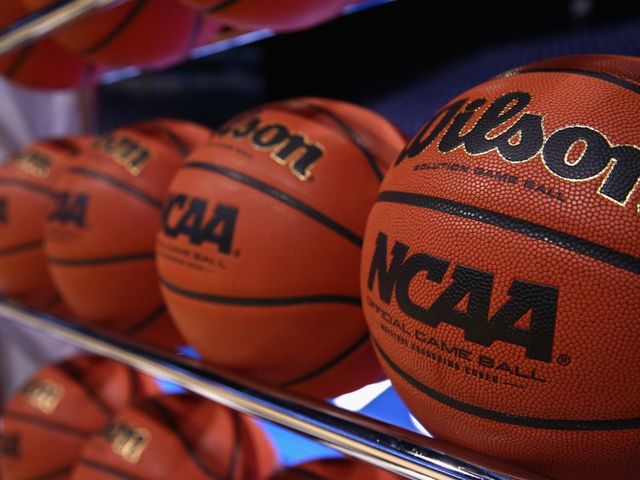
Since 2005, high school NBA prospects were required to wait one year before being drafted and realizing their dreams of becoming household names. The “one and done” rule, as it has been aptly named, was implemented by the NBA to protect young players but has caused headaches for many of them. Athletes have a few options during their year before NBA eligibility to – play college basketball, play overseas, or take the year off to train privately. Once that one year is up, not only can these kids join professional teams and play for pay; they can sign lucrative endorsement deals with companies looking to find a transcendent athlete they can build their brand around. But the year-long wait to fame and fortune may no longer be necessary for some athletes – sort of.

Continue reading

Green Leasing: How Sustainable Technology Can Alter The Landlord-Tenant Relationship

Picture1

By: Kyle Cianchetta

As fears rise over climate change, environmentally friendly building is transitioning from a novel idea to a preferred building method. Environmental consciousness coupled with hefty tax deductions has caused the number of commercial green buildings to skyrocket – approximately 40 percent of commercial buildings in the United States’ 30 largest markets are certified by government or private green-building standards.

Continue reading