Copyright Infringement: Background Music Embedded in Popular YouTube Videos

Psy-hits-1-billion-views-on-youtube-with-gangnam-styleBy Chike Eze

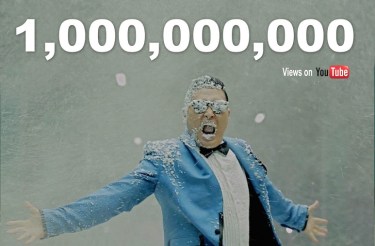
Gone are the days when only major studios had a monopoly on manufacturing “celebrities.” YouTube has ushered in a new category – the self-made “celebrity YouTuber.” Michelle Phan is an extremely popular YouTuber who is well known for her entertaining videos on how to put on different types of makeup. She currently has more than eight million subscribers, and her popular “Barbie Transformation Tutorial” video has over sixty million views. A far cry from Gangnam’s two billion views, but impressive nonetheless. Ms. Phan generates revenue by monetizing her videos and endorsing various products in her videos. And just like other famous YouTubers, she uses popular copyrighted songs as background music in her videos that are distributed to millions via YouTube.

In July 2014, Ultra Records, LLC (“Ultra”) brought a copyright infringement suit against Ms. Phan in the U.S. District Court, Central District of California. Ultra alleged that Ms. Phan had engaged in a “wholesale infringement” of Ultra’s musical compositions and recordings, citing 50 instances of Ms. Phan’s direct copyright infringement. Ultra further stated that Ms. Phan had profited from using its artists’ tracks and compilations. Consequently, Ultra sought $150,000 in statutory damages for each instance of copyright infringement, and demanded an injunction against Ms. Phan’s continued use of its copyrighted material. Continue reading

A New Co-Author to Anne Frank’s Diary

Anne FrankBy Binh Vong

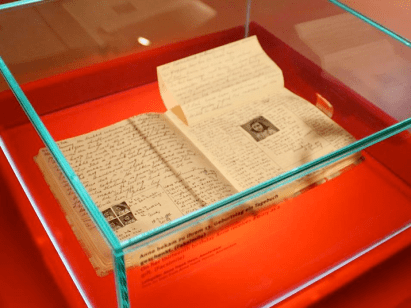
One of the most widely-read books of the 20th century, Anne Frank’s diary gives us a glimpse of World War II through the details of the years when the Frank family hid from the Nazis in the attic of a factory in Amsterdam. Anne’s father, Otto Frank, compiled the diary and gave the copyright of the book to Anne Frank Fonds (“the Foundation”), a Swiss foundation. Because Anne Frank died in 1945, under the copyright law of the European Union, the copyright to the book in Europe was originally set to end this upcoming January 1st, 70 years after her death.

In a move to extend the copyright of the book, the Foundation recently announced that Otto Frank co-authored the book, which would extend the copyright of the book to 70 years after Otto Frank’s death in 1980. This gives the Foundation exclusive rights over the book until 2050 in Europe. The copyright to Anne Frank’s diary in the United States does not end until 2047, 95 years after the book was first published in the United States in 1952. Continue reading

Happy Birthday to Everyone

happybdayBy Danielle Olero

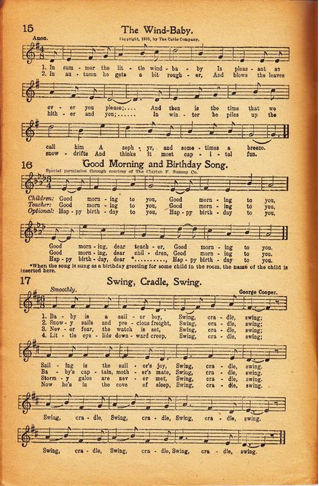
Cake, ice cream, presents, and a chorus of “Happy Birthday to You” has been a longstanding tradition for many to mark the passage of time in a person’s life. Although trivial to those who sing the song within their household, this eight note song has been the source of millions of dollars of revenue for the companies who have collected royalties from the song over the past eighty years.

In 2013 Jennifer Nelson, an independent filmmaker, intended to use the song in her documentary. She filed a putative class action against Warner/Chappell, who have claimed to hold the rights to the song since 1988. During the last two years, artists have been watching this case with great anticipation. Rights to the song could range from $1,500 to $5,000 or more for the use in films. Continue reading

A Digital Library of Alexandria: Google Books Remains Fair Use

simple-design-cute-home-library-shelving-units-home-depot-shelving-home-library-shelving-highlights-790x592By Sam Hampton

In the latest development in a decade long case, the Second Circuit ruled on October 16th that Google Books was fair use and did not violate book copyrights. The service provides fully searchable digital versions of over 20 million books. This tally includes copyrighted work; additionally, the full text of many books in the public domain that have been digitized. The service works with the Google Books Library Project, which partners with major libraries to digitize the volumes; the project’s goal is “to create a comprehensive, searchable, virtual card catalog of all books in all languages.”

The lawsuit was initiated in September 2005 by a number of copyright owners, as well as the Authors Guild, a nonprofit that supports authors. Google defended its service under the fair use doctrine. The District Court granted summary judgment in Google’s favor in November 2013, from which the appeal followed. Continue reading

Left Shark Still Not “All Right”: The Legal Battle Continues With New Trademark Claims

Screen Shot 2015-03-02 at 6.44.25 AMBy Julie Liu

In the most entertaining legal battle to develop out of Super Bowl XLIX, Katy Perry has famously attempted to copyright Left Shark, the much-celebrated Internet phenomenon of the month. In a more recent development, Perry has made further moves to bolster her intellectual property rights—this time with a trademark claim.

The origins of Left Shark are by now a familiar subject: two “sharks” served as backup dancers in Perry’s beach-themed halftime performance; one of them unexpectedly stole the show by bumbling his way through the choreography. The less-than-perfect performance did not escape the internet’s attention and collective amusement, and so Left Shark was born.

Before long, Fernando Sosa (of figurine company Shapeways) began recreating the shark for sale in miniature, and Perry’s lawyers responded with a cease-and-desist letter, claiming that Sosa’s product “infringes [Perry’s] exclusive rights in numerous ways.” Represented by NYU law professor Chris Sprigman, Sosa struck back by rejecting Perry’s ownership of copyright. Sprigman cited Perry’s own quotes, which indicated that she was not the “boss” of her halftime show, including, presumably, the production decisions leading to the creation of Left Shark. Continue reading