By: Bethany Butler
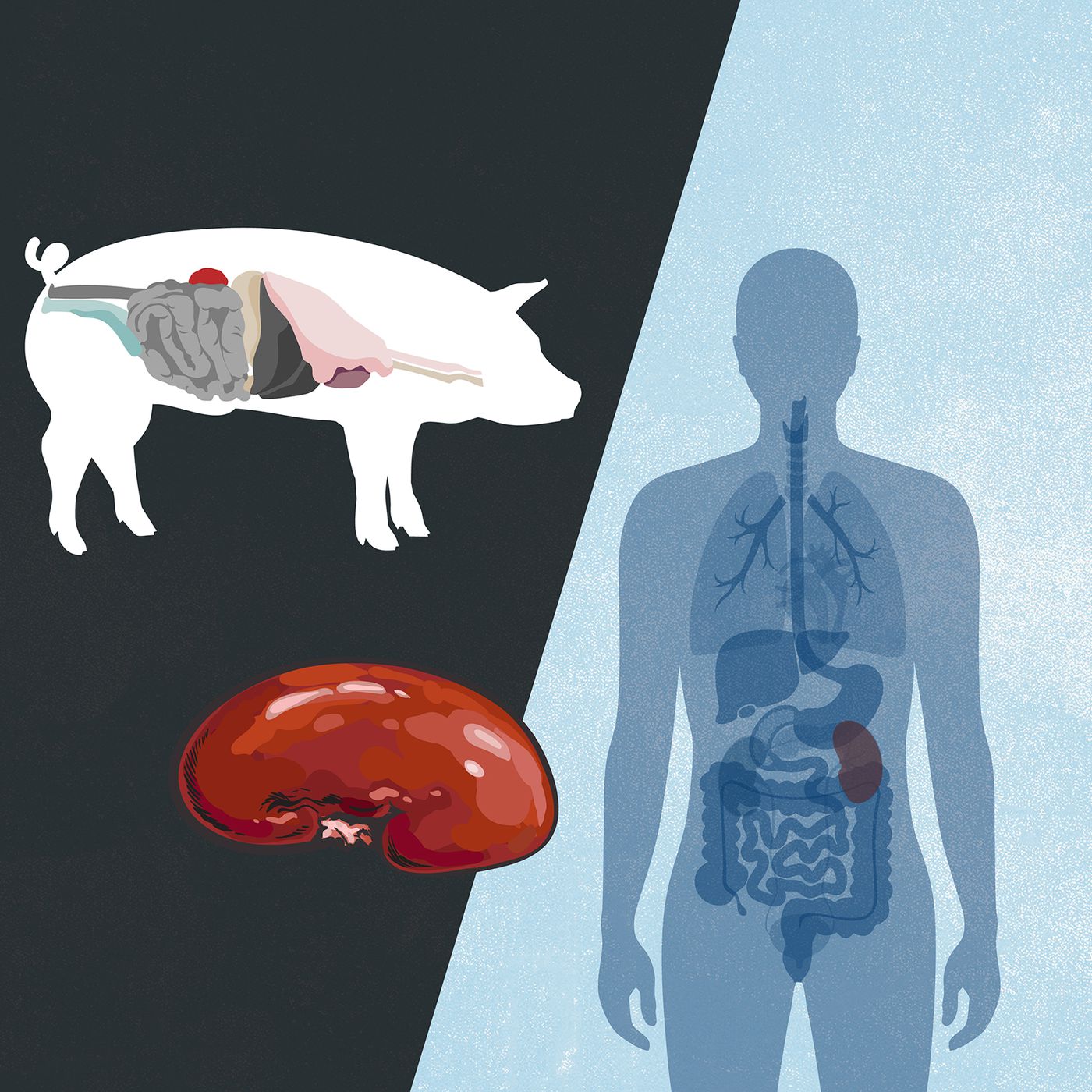
Last month, doctors at Massachusetts General Hospital successfully transplanted a genetically engineered pig kidney into a 64-year-old patient. Scientists removed porcine genes and added human genes via the CRISPR-Cas 9 gene editing technology. In total, sixty-nine of the pig’s genes were modified prior to transplantation. The surgery took approximately four hours, with the kidney functioning almost immediately after transplantation. eGenesis, a biotechnology company focused on genetically engineered, human-compatible organs, invented this procedure and the resulting genetically engineered kidney. This novel procedure may help to alleviate critical organ shortages in the US, with more than 100,000 Americans currently on the transplant wait list. Scientists hope this procedure will pave the way to more research and clinical applications that may help to alleviate the organ transplant shortage.
The Legal Landscape
Novel research and clinical applications surrounding xenotransplantation, the transplanting of animal cells/organs to humans, have the potential to revolutionize access to life saving therapies. However, the legal landscape surrounding this science is far from settled. While areas of xenotransplantation of pig organs into humans have been granted patents, the procedure itself has not been approved by the FDA. These procedures, like the one used for the modified pig kidney transplant, are only currently able to move forward using “compassionate use” exceptions granted by the FDA. These exceptions apply to patients with life-threatening conditions where there is no alternative for treatment.
Another important aspect of the law surrounding xenotransplantation is informed consent. Informed consent is a protection provided by the Health and Human Services regulation, 45 CFR Part 46. The regulation requires that important information, including any risks, be disclosed to the patient before he or she decides to participate in any trials or undergo treatment. Xenotransplantation procedures carry unique risks, such as zoonotic infections and the need for lifelong monitoring and intervention due to the nature of the procedure. Patients must be informed of and consent to all of the unique risks involved with these types of treatments.
Xenotransplantation and Patent Law
Biological patents are generally utility patents, which allow the patent holder to exclude others from making, selling, using, or importing their biological invention for a specified period of time, currently twenty years in the United States. Companies like eGenesis can own biological patents for genetically modified animal organs and associated methods for xenotransplantation. Currently, these types of patents are protected by law, provided the claimed subject matter is not naturally occuring. US patent law has exceptions to patentable subject matter that are laws of nature, natural phenomena, and products of nature. The Supreme Court found, in the landmark case Association for Molecular Pathology v. Myriad Genetics, Inc., that “a naturally occurring DNA segment is a product of nature and not patent eligible merely because it has been isolated.” The case concerned whether the BRCA1 and BRCA2 genes can be patent eligible when isolated. These genes are responsible for tumor suppression and mutations in these genes commonly lead to the development of breast cancer. If the Supreme Court had ruled that Myriad Genetics could patent these gene sequences, that ruling would have effectively prevented any other company from offering diagnostic testing for these genes, thereby monopolizing the breast cancer diagnostic market. The Supreme Court’s decision relied on the statutory provisions in 35 U.S.C. § 101, which addresses patentable subject matter. The court has found exceptions to what is patentable, including laws of nature and natural phenomena. In terms of biological material, if the invention or process is something that naturally occurs, then it is ineligible for patent protection.
Some eligible biological patents granted in the past include the PCR process and transgenic animals – an animal whose genome has been edited to contain genes from another species. The first transgenic mammal patented was the Harvard Oncomouse, developed by Harvard in the 1980s. This mouse was genetically modified to be more likely to develop cancerous tumors, making it a valuable cancer research subject, and patent eligible.
Innovation for novel developments in the transplant space, like the genetically modified pig kidney, is encouraged by the patent protection of inventions utilized for xenotransplantation technology. eGenesis has received a number of patents related to the xenotransplantation process, including utility patents for the methods to generate genetically modified animals/cells and for genetically modified animals/tissue/cells used for xenotransplantation.
The narrowing of biological patents to non-naturally occurring subject matter allows for companies like eGenesis to obtain patents for biological innovations while still protecting research and development efforts, particularly diagnostic testing of carrier genes. Patent eligibility of biological and natural phenomena is currently being addressed in Congress. On June 22, 2023, the US Senate released the Patent Eligibility Reform Act of 2023 (“PERA”). If passed, this act would clarify patent-eligible subject matter and potentially allow for the patenting of solely isolated genes, possibly overriding the Myriad decision.
While patent eligibility of biological subject matter has the potential to allow for greater innovations, like modified organ transplants, expanding patent-eligible material may lead to negative downstream impacts. Granting monopolies can lead to access issues for diagnostic testing and increasing costs to use isolated genes in research and development efforts. Granting patent protection to biological patents is important and the right balance is necessary to further innovation and facilitate problem solving medical solutions. While patent law is complicated and evolving, novel advancements like the pig kidney transplant are largely driven by innovation incentives and a greater need for medical solutions to the transplant wait list issue.

 Washington Journal of Law, Technology & Arts