Hitting Refresh: How Drug Companies Use Patents to Extend Their Monopoly Power

By: Alexander Okun

  On April 17, 2025, the non-profit Initiative for Medicines, Access, and Knowledge (“I-MAK”) published a report detailing the tactics that two pharmaceutical companies use to maintain their monopolies for their popular diabetes and obesity drugs. The two drugs are Semaglutide (marketed by Novo Nordisk as Ozempic, Rybelsus, and Wegovy) and Tirzepatide (marketed by Eli Lilly as Mounjaro and Zepbound). According to I-MAK, Novo Nordisk and Eli Lilly will effectively extend their patent-based monopolies on these drugs for up to a decade. The tactic of  “patent thickets” is not new to the pharmaceutical industry, but its potential economic impact as applied to these products (known collectively as “GLP-1” drugs) could be on a scale previously unseen. Given the adverse impact this could have on US patients, the need for legal reform is greater than ever.

“Patent Thickets” and Their Uses

A US pharmaceutical patent provides 20 years of protection, after which other manufacturers can produce generic versions of the drug. However, drug companies often file an array of patents for aspects beyond the drug’s core ingredients (called a “patent thicket”) like the method of administration. Subsequent changes to the product may also get patented (known as “secondary” or “follow-on” patents) but can be as minor as adding a dose counter to the injection device. Follow-on patents can also protect purportedly “new” applications of a drug without making any changes, even though those “novel” uses were  disclosed in the initial patent. For example, Eli Lilly’s Mounjaro is approved to treat diabetes while Zepbound is approved for weight loss even though Tirzepatide’s original patent disclosed both uses.

This practice is neither novel nor unique to the GLP-1 market: a 2018 report by I-MAK found that in 2017, the top 12 grossing medications in the US had an average of 71 active patents each, extending each drug’s protection for an average of 18 years. However, the profitability of those extensions is miniscule relative to the potential with GLP-1 drugs. Whereas the top-selling drug in I-MAK’s 2018 report, Humira, produced roughly $200 billion in revenue in its first 20 years, the GLP-1 market is projected to reach $150 billion in annual revenue by 2030. Novo Nordisk has already extended its patents for Ozempic and Wegovy by five years (expiring in 2031), which I-MAK says will deliver $166 billion in additional profits. As of now, patent thickets have effectively extended the protections for Semaglutide by 10 years (expiring in 2042) and Tirzepatide by five years (expiring in 2041). 

Potential for Reform

High drug prices are a perennial issue in US politics, and two proposals appear most promising in preventing further abuses of the patent system. The first approach is to limit the number of patents that can be cited in an infringement lawsuit. This would reduce the deterrent value of patent thickets by limiting the complexity of infringement actions (therefore defendants’ costs) and reducing plaintiffs’ likelihood of succeeding. The Affordable Prescriptions For Americans Act would implement this strategy, and on April 10 it was placed on the Senate’s legislative calendar. However, some analysts say the bill’s exemptions and waivers could make it largely ineffective.

A second option is to crack down on petitions that delay the approval of generic drug versions by using the filer’s patent thickets. The “Stop STALLING Act,” would enable the Federal Trade Commission (“FTC”) to sue filers if it deems a petition “objectively baseless” and intended to “interfere with the business of a competitor.”  However, the requirement of government intervention creates greater administrative costs and potential inconsistencies in enforcement. On April 10 the Stop STALLING Act was also placed on the Senate’s legislative calendar. While both bills have potential and bipartisan sponsorship, they have failed to garner sufficient support in their past iterations. Last year the Affordable Prescriptions for Patients Act passed the Senate unanimously but was never scheduled for a vote in the House of Representatives; the Stop STALLING Act never received a vote in the Senate whatsoever. Hopefully, the resounding success of GLP-1 drugs despite their exorbitant pricing will trigger public interest broad enough to provoke Congressional action.

Can Torpedo Bats Be Patented?

By: Evan Stewart

Introduction of Torpedo Bats 

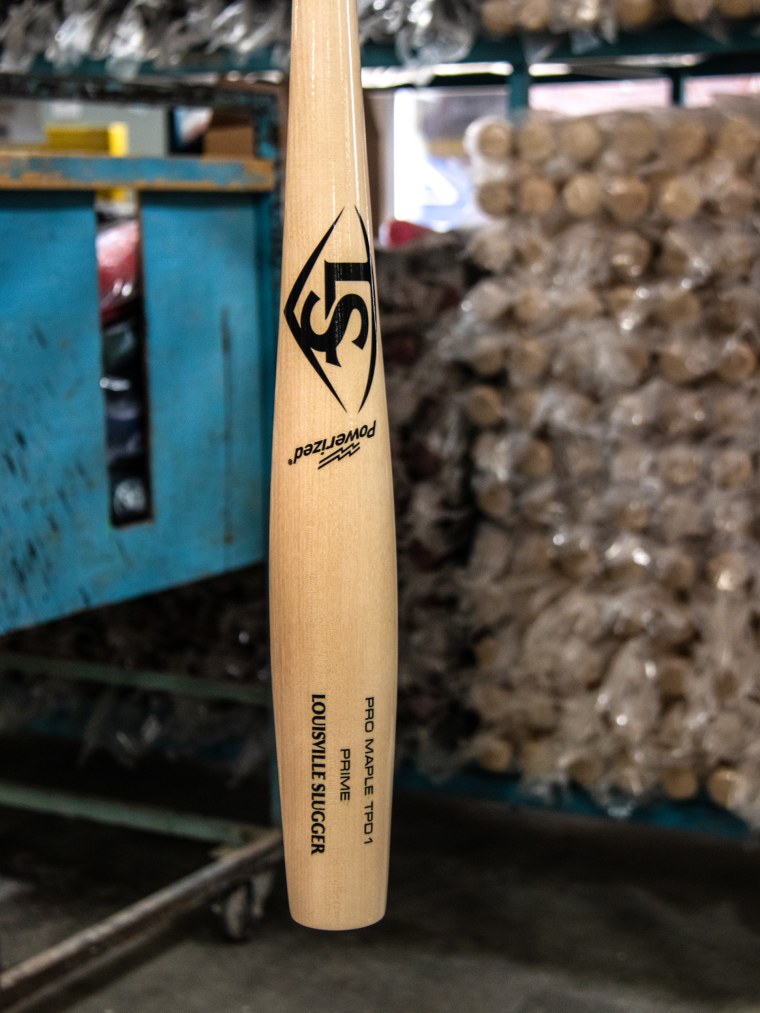
On March 29th, the New Yankees beat the Milwaukee Brewers 20-9, hitting a franchise record nine home runs, including three home runs on the first three pitches of the game. However, the story that took the baseball world by storm was not the franchise’s single-game home-run record, or the three-game sweep in which the Yankees hit 15 home runs and scored 36 runs. Instead, the national spotlight was on the new bowling-pin shaped bats that several of the Yankees players were using. These bats, dubbed “torpedo bats” have dominated baseball news for the first two weeks of the season, and are likely to impact the intellectual property world as well.

What Are Torpedo Bats

Torpedo bats differ from regular bats because the part of the bat with the widest diameter is lower on the bat. The lower sweet spot is meant to distribute the most mass of the bat to the “sweet spot”. The rationale for this change was very simple: put more wood in the area where the ball usually hits the bat. In the words of MIT physicist Dr. David Pritchard, “When you look at the design of a classic baseball bat, the physics just don’t add up. When the ball comes in and hits the sweet spot, it bends the bat so some of the energy goes into bending the bat.” With more wood in the sweet spot, there will be less energy lost by the bat bending back.

Who Created the Torpedo Bat

Credit for the creation of the torpedo bat goes to another MIT physicist turned baseball coach, Aaron Leanhardt. Leanhardt is currently a field coordinator for the Miami Marlins but previously worked as a Minor League hitting coordinator for the Yankees. Before beginning his career as a coach, Leanhardt earned a PhD in physics from MIT and was a physics professor at the University of Michigan. 

Leanhardt first began designing and testing the torpedo bat while working for the Yankees. In 2024, he first introduced the torpedo bat design to some Yankees players, including star hitter Giancarlo Stanton. There are even pictures of Stanton using a torpedo bat in the 2024 World Series. However, it was not until the opening weekend of the 2025 season, following the Yankees 3-game drubbing of the Milwaukee Brewers, when social media caught wind of the torpedo bats, and their popularity began to soar.

In the two weeks following the introduction of torpedo bats to the mainstream, baseball bat companies received thousands of preorders for torpedo bats. Two notable bat companies, Marucci and Victus, had models of the bats on their websites within a few days, trying to capitalize on the newest trend and had record sales. 

The requests for torpedo bats are also coming from MLB teams themselves. Hillerich & Bradsby, the company that is credited for creating the Yankees’ torpedo bats, received an influx of orders from MLB teams directly asking for torpedo bat models. Within a few days, there were MLB players across the league using torpedo bats, and it will be interesting to see if their popularity continues to grow among players.

Can Torpedo Bats Be Patented

Whenever there is a popular new invention, one of the first questions is whether it is eligible to receive patent protection. Patents offer inventors “the right to exclude others from making, using, offering for sale, or selling” their invention in the United States. The two main types of patents available to inventors are utility patents and design patents. Utility patents are granted to inventors of new and useful processes or machines. Design patents are granted to inventors of new, original, and ornamental designs for an article of manufacturing. 

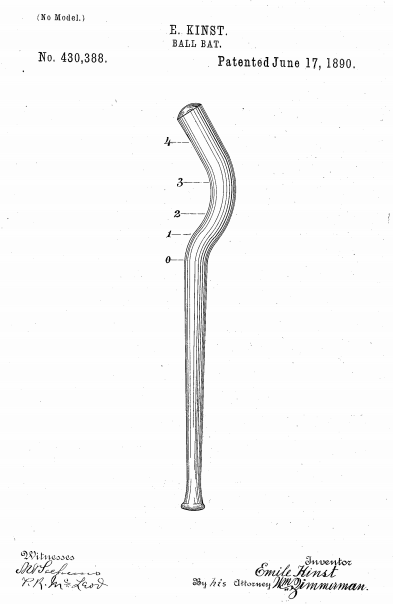
Although the general shape of baseball bats has stayed nearly the same for over 100 years, there have been some modifications that have received patents. The first, and goofiest, example of these was the banana bat. Banana bats, which had a curved barrel, received a patent in 1890, despite not catching on in professional baseball (for obvious reasons).

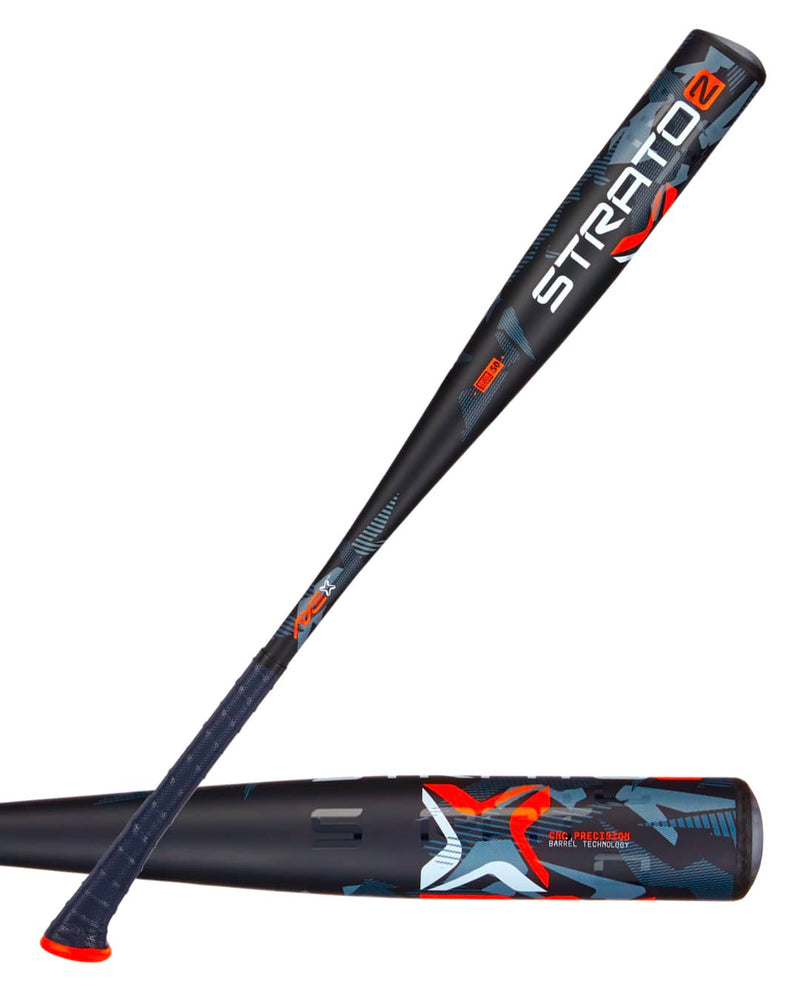
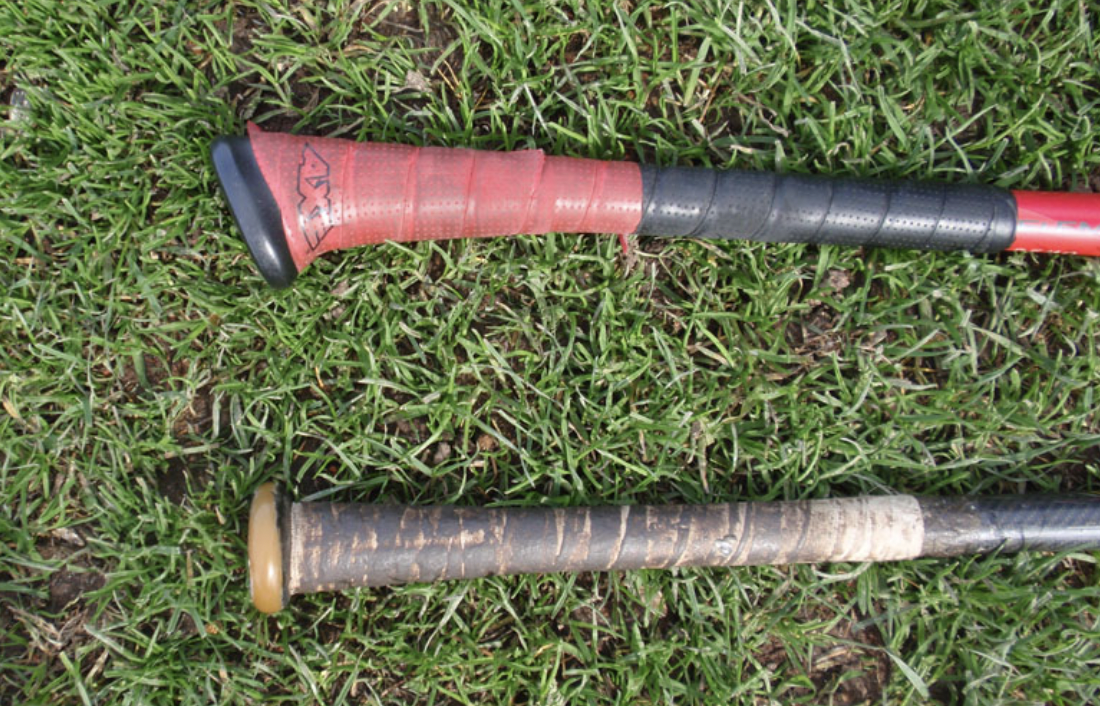
A modern example of a bat modification that received a patent is the “axe handle” bat. Axe bats, which grew in popularity around 2015, featured a bat handle that resembled an axe handle instead of the rounded handle that is usually used on a baseball bat. Axe bats received a design patent in 2013, as an ornamental change to the traditional baseball bat. Today, “axe bats” are sold exclusively by Baden Sports, but the company does license the axe handle design to other bat companies.

Based on the axe bat precedent, it seems like torpedo bats could eventually receive a design patent. Interestingly, Bob Hillercih, the vice president of the aforementioned bat manufacturer Hillerich & Bradley, does not believe that torpedo bats are eligible for a patent because the changed design for the bat is just a change in the shape

However, based on the description of design patents, this does not seem to be true. 

There are two factors in determining whether a design qualifies for a design patent. First, the design must be an integral aspect of the product that cannot be separated. The difference in barrel placement is the integral aspect of the design of torpedo bat, so it appears that this element would be met. Next, the design must have no bearing on the item’s functionality. The torpedo bat design would likely meet this element, because the new design does not alter the  baseball bat’s functionality. Rather, the torpedo bat just changes the amount of wood at the point of contact. Although some Yankee players had early success with the torpedo bats, it does not, on its own, make it easier to hit home runs. Torpedo bats are used just like regular baseball bats, the only difference is that it has a unique ornamentation with the location of the largest part of the ball being moved. 

Design patents also require that the new patent not be obviously derived or resembling other designs. While there may be an argument that the torpedo bat resembles other bats, the same argument could have been used for the axe bat handle resembling a baseball bat handle or an axe handle. When viewing all of these elements, and comparing torpedo bats to the patent that the axe handle received, there is a possibility that torpedo bats could receive a design patent, if Leanhardt chooses to do so. 

Conclusion

Time will tell if torpedo bats are the next big thing in baseball, or if they are just another banana bat. While more players have begun using them, other players tried them but returned to their old bats or refused to use them altogether. Regardless of their long-term impact on baseball, it will be very interesting to track whether the United States Patent and Trademark Office determines that torpedo bats can be patented. While historical precedent makes it seem like torpedo design can be patented, there seem to be concerns from people in the bat manufacturing business, who also may not want the bat design to be patented so they do not have to license the design to use it. 

Pharma-Pirates: How Patent Law Enables the Theft of Indigenous Knowledge

By: Alex Okun

Health and wellness are a key driver of consumer spending in the United States (US). The US pharmaceutical market is expected to exceed $1 trillion by 2030, and the value of its “wellness” industry (which includes everything from fitness equipment to psychotherapy) has skyrocketed to nearly $1.8 trillion. As life expectancy in America has remained relatively low and as Americans have become increasingly reluctant to seek synthetic remedies, market leaders have seized upon the trend toward natural health treatments. However, many companies have attempted to patent traditional medicines as if they were cutting-edge drugs, usually at the expense of the indigenous peoples who discovered them.

Patents

In the US, the owner of a utility patent has the right to prohibit anyone from selling their invention for 20 years from the date the patent is filed. To obtain patent protection, the invention must be “novel” and advance beyond existing technology in a way that would not be obvious to others in the industry. Patent examiners usually check global patent databases and trade publications to determine the state of existing technology (or “prior art”), and then assess the “obviousness” of the claimed invention in context. Even if granted, however, a patent is vulnerable to legal challenge if a third party disputes either the novelty or the obviousness of the invention. If a plaintiff can establish that the patented invention was either already in use or was merely an obvious advance over existing methods, the patent will be revoked. 

Biopiracy

“Biopiracy” is defined as patenting an indigenous group’s traditional knowledge or genetic resources for commercial gain. Perhaps the most infamous case was in 1995 when two US researchers patented the use of turmeric as an antimicrobial treatment for open wounds. They were granted the patent, but a group of Indian scientists sued to have it canceled because turmeric has been used in medicine for thousands of years. The patent was successfully canceled, but international biopiracy threatens traditional knowledge in medicine, foods, and industrial materials. Attempts at fighting back have generally been successful only in the most egregious instances, or when national governments have intervened on the people’s behalf in US courts.

Soon after the revocation of the turmeric patent, the Indian government took proactive measures by assembling a database of traditional medicine texts and translating them into English. This was consequential particularly for US law because evidence proving that an invention was used before being patented (an essential step to cancel a patent) must be available in English. When an invention has already been patented abroad this process is relatively simple because the US is obligated by treaty to recognize patents issued in most other countries. The US has not, however, ratified the treaties requiring the recognition of foreign discoveries that were never patented. As a result, US law only recognizes evidence of foreign “public use” of an invention if provided in the 9 months following a patent’s issuance. This places a significant burden on remedies and inventions based on traditional knowledge, which is often codified in oral traditions or ancient texts without readily available translations.

Global Guardrails

The Convention on Biological Diversity (“CBD”), which went into effect in 1993, was the first legally binding treaty designed to “conserve biological diversity, to sustainably use its components and to share equitably the benefits arising from the use of genetic resources.” Although the treaty recognized the rights of indigenous people to their knowledge, a far more significant advance toward effective legal protections came from the Nagoya Protocol in 2014. The Nagoya Protocol was intended to “ensure that traditional knowledge associated with genetic resources” is accessed only with the informed consent of the indigenous community from which those resources originated. It also created a framework for a “benefit-sharing mechanism” that would remunerate indigenous communities for the commercial gains resulting from the use of their traditional knowledge. The Access and Benefit-Sharing Clearing House provides information on the laws, procedures, and model contracts for benefit-sharing agreements for all of the Protocol’s member states. 142 nations have now ratified the CBD and Nagoya Protocol, including most of the European Union. However, the United States has neither joined the Convention nor participated in the benefit-sharing that Nagoya was intended to facilitate.

A key gap in the Nagoya Protocol’s provisions was that it did not address the issuance of patents. As a result, patent applicants are not obligated under the treaty to disclose whether traditional knowledge went into their inventions. However, 30 countries came to a solution in May 2024 with the Treaty on Intellectual Property, Genetic Resources, and Associated Traditional Knowledge (“GRATK”). Ratifying states must require patent applicants to disclose any source(s) of traditional knowledge underlying their claimed inventions, and the countries or indigenous groups from which the knowledge originates. While it does not mandate its members to reject applications due to traditional knowledge sources, the disclosure requirement will enable greater transparency in the patent examination process. GRATK also calls for a global system of traditional knowledge databases, such that national patent offices can more readily assess whether an application truly contains a “novel” invention. This would create a more efficient, robust patent examination and allow indigenous advocates to challenge patents without expending excessive resources to collect the requisite evidence. The World Intellectual Property Organization (“WIPO”), which administers GRATK, already administers a database of global patents and now maintains an extensive list of traditional knowledge databases worldwide. Although GRATK is only binding on its 38 signatories as of December 2024, experts are hopeful that it will soon be ratified by major economies like Australia, Brazil, and India.

Conclusion

In the context of traditional medicine, there is not necessarily an inherent conflict between social justice and innovation. The discoveries of indigenous people can fill the existing gaps in modern medicine and serve the needs of patients who either do not want or cannot use existing treatments. However, three key needs must be met for the system to be just: attribution of source, informed consent, and sharing the profits from these cures with the people who created them. All three issues are addressed by GRATK (attribution) and Nagoya (consent and benefit-sharing), and the growing web of traditional knowledge databases is empowering advocates to challenge biopiracy when it occurs. Although it is unclear whether the new administration will seek US accession to either treaty, patent law in its current form has been effectively used by advocates to combat biopiracy at its source. Unless the USPTO commits to more proactively examining traditional knowledge sources, this fight will remain dependent on the availability of traditional knowledge resources and the vigilance of indigenous advocates.

Is Amazon’s APEX the Top Option for Patent Rights?

By: Nicholas Lipperd

Are more avenues to resolve patent disputes a good thing? Patent litigation is a process that can easily cost millions of dollars and which lasts years; it is not exactly an option available to every patent holder. Even with the availability of arbitration, options to protect patents remain limited. Amazon has determined that a private patent evaluation program is a good thing, at least for its Amazon Marketplace. After beta-testing for three years under the name “Utility Patent Neutral Evaluation (UPNE),” Amazon formally implemented its Amazon Patent Evaluation Express (“APEX”) system in 2022, which allows sellers to flag possibly infringing products for Amazon to analyze without the use of the judicial patent system. This system advertises cheap, fast, and fair outcomes to sellers on Amazon Marketplace asserting their utility patent rights, yet has drawn criticism for disproportionately one-sided outcomes leading to its use as a retaliatory tool. Does the fact that this cheap, quick process reduces barriers to litigation offset these shortcomings? Should Amazon make changes to its process to achieve more balanced results?

A case brought in Federal Court for patent infringement takes two to four years to adjudicate, not including an additional year if an appeal is sought. Intrinsically tied to this lengthy timeline is the hefty price tag. Though the median cost for patent infringement cases with $1 million-$10 million at risk fell 250% from 2015 -2019, a full patent trial will still average $1.5 million. How does a patent holder without such resources assert the patent’s rights? Arbitration or mediation are cheaper options, at $50,000 on average, but often requires the other side to agree to participate. When the patent owner wants the patent rights asserted within Amazon Marketplace, though, the owner generally has a cheaper and faster option.

Amazon’s APEX program allows patent holders to have their patents examined by a neutral third-party patent examiner, rather than the United States Patent and Trademark Office (“USPTO”). APEX begins with the patent holder submitting a complaint through Amazon’s Brand Registry, providing the Amazon Standard Identification Numbers (ASINs) of the allegedly infringing sellers and upon which claim in which patent the holder believes the ASINs infringe. For each alleged infringer, Amazon sends a notice and allows up to three weeks for a response. Should Amazon receive no response, such products will be automatically delisted, similar to a default judgment. Upon receipt of the response, an evaluator independent of Amazon and each party is assigned to the issue, and each side is required to pay a $4000 fee, refundable to the winner. The patent holder gets three weeks to submit arguments. The sellers then have two weeks to respond, with the patent holder given one week to submit an optional reply. The evaluator then decides within two weeks, making only the determination if the sellers’ products likely infringe on the patent holder’s claim. It is noteworthy that the APEX evaluator does not make any determination on the validity of the claims in the patent at issue. If the evaluator decides in favor of the seller, the product stays on the platform; if not, the products are removed. There is no appeal process from the evaluator’s decision. The entire process takes fewer than three months, and at a price tag of $4000 per party, creates a fiscal barrier of a fraction of the cost of formal patent litigation.

This process is not, though, without its drawbacks. The patent holder wins a disproportionate amount in APEX proceedings, creating incentives to initiate the process without valid claims. Because the evaluator does not look at the validity of the asserted patent, the accused sellers can do nothing but play defense. In legal terms, they are without the affirmative defense of invalidity. They can’t win, they can only hope to survive. Further, the evaluation is not subject to formal rules like the Federal Rules of Civil Procedure or the Federal Rules of Evidence. The evaluators are hired for their expertise in the patent field, not for their investigative skills in the information provided. With no process of verification from Amazon, patent holders are submitting fraudulent information to obtain favorable judgments. With loose evidentiary rules, a low fiscal barrier, and no chance for the patent to be ruled invalid, the incentives all line up for patent holders to abuse this process, especially considering there is no chance for appeal. Should a competitor be cutting significantly into profits, $4000 is a very low risk for a possibly high reward of ejecting your competition from the market. Tortious interference claims stemming from the APEX process are already coming to light. 

Perhaps the most well-known legal spat involving Amazon’s patent evaluation process is the case of Tineco Intelligence Tech. Co. v. Bissell Inc. (W.D. Wash, 2022). Bissell is a US company that sells vacuums, and Tineco is a Chinese company that does the same. When Bissell initiated a UPNE proceeding, Tineco ignored it, leading to the automatic removal of its products. Tineco moved for a ruling in district court that Bissell’s patent claims were invalid and that their products did not infringe. Luckily, perhaps in part because of the sheer volume of business both entities do, Amazon deviated from its set UPNE/APEX process and reinstated Tineco’s listings before the District Court case finished, though U.S. International Trade Commission (“ITC”) proceedings continued. This case and Amazon’s deviation are seen by some as the exception to the rule. Many entities are still using APEX as a hammer to bludgeon competition into settlements and licensing agreements, despite the tortious interference claims that sometimes follow.

Amazon’s APEX has the potential to be the first of many commercial patent dispute programs due to its budget-friendly, expedited decisions. Yet before it can be considered a system after which other businesses should model their systems, it must rebalance and overcome the issues outlined above. Although a large burden is placed on “neutral evaluators” hired by Amazon, these evaluators currently do not review the patent at issue for invalidity. To establish a more balanced approach and to disincentivize misuse of APEX by predatory sellers, invalidity must be considered. Even if such consideration drives up the required fee slightly, the trade-off would be worthwhile to promote fairness in the process. Amazon has three years of beta-testing under its belt with this system and thus has the data available to see where fraud and misuse are most prevalent. A thorough review of this data should lead to the tightening of its evidentiary standards throughout the process. Despite the name inviting such a pun, APEX must not be allowed to thrive as a predatory tool.

While barriers to justice should not be so high that patent holders may not assert their rights, the process should not be so favorable and easy that it inadvertently incentivizes abuse of the process. Through small tweaks, APEX can continue to serve patent holders’ rights without demanding the time and money that large-scale patent litigation requires.

3D Printing in Intellectual Property

By: Yixin Bao

Starting in the 1980s, 3D printing or additive manufacturing arose and began to develop. Although the standard limitations that exist in current Intellectual Property (“IP”) law can be applied to 3D printing, there are still gaps in the legal profession that the courts need to address.

What is 3D printing? 

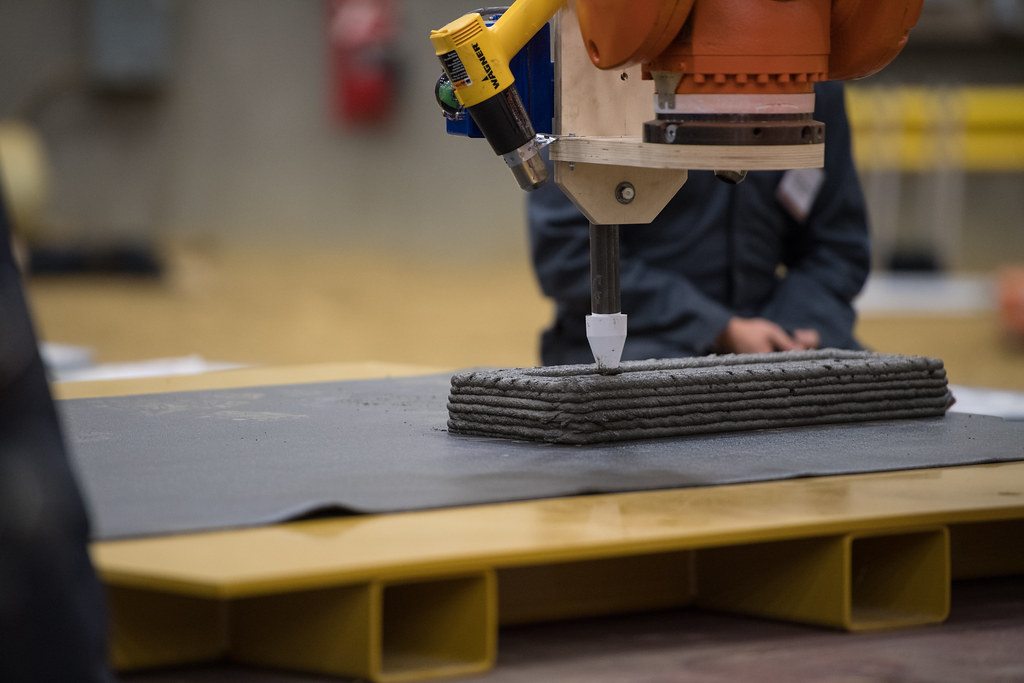
3D printing produces 3-dimensional physical objects from digital templates through a variety of processes. This is normally done under computer control, with materials added together, such as plastic, metal, and others, typically layer by layer. As of 2020, after around 40 years of its initial development, 3D printing has become a more mature technique. 3D printers are now more affordable allowing the public to use 3D printing techniques in normal life. Consumers can easily find a low-cost 3D printer as cheap as a few hundred dollars. 

3D Printing and IP Law

Today, there are more prosecutions and litigation over the use of intellectual property protection measures in the context of 3D printing. For example, Patent and Litigation Trends for 3D Printing Technologies published on IPLytics Platform found that the patent applications related to 3D printing continue to rise in the passing years, from around 2,000 in 2007 to over 20,000 in 2019. The good news is that the standard limitations that exist in current IP law can also be applied to 3D printing. 

Patent protection, for example, plays a significant role. In the U.S., patents are a government-granted monopoly towards the inventor for a limited period of 20 years. As WIPO’s 2015 World Intellectual Property Report on Breakthrough Innovation and Economic Growth has shown, 3D printing companies are enforcing patents heavily. These include not only specialist 3D printing companies but also major manufacturing companies, such as GE and Siemens. One of the reasons why patent protection is an important strategy over 3D printing is that such protection covers a wide variety of objects, including printers, the components of such printers, the manufacturing processes, and the products. In addition, the industrial 3D printing sector does not solely rely on patent law in its protection strategy. Trade secrets, copyright, and trademark protections also play a role.

However, there are also questions that courts need to address when it comes to the 3D printing technique. Compared to the industrial sector where the protection is similar to the other manufacturing industries, 3D printing for non-commercial purposes seems to face several new challenges. One question raised by Elsa Malaty and Guilda Rostama published in World Intellectual Property Organization (“WIPO”) Magazine is who would own an object when it is conceived by one individual, digitally modeled by another, and printed by a third individual. 

Why does it matter?  

With the quality of 3D printing continuing to rise and the price continuing to drop, 3D printing is now more advanced and accessible, so it can be foreseen that 3D printing-related legal protections and disputes will only increase in the future. The challenges and opportunities will come after the earliest patents start to expire. The original owners would need to develop new patentable technologies to maintain those protections. The expiration will also present an opportunity for the Open Source Community.

IP law contributes enormously to national economies. Dozens of industries, including 3D printing, rely on the adequate enforcement of IP. On the other hand, consumers benefit from IP to ensure the quality of the products, such as 3D printers. This is especially important because the availability of low-cost, high-performance 3D printers has put the technology within reach of consumers. 

At the same time, IP-related issues are only one legal aspect that 3D printing raises. During the use and application of this technique, other aspects of law will undoubtedly be implicated and will need to be resolved eventually.