No Filtering Snapchat’s Third Party Woes


snap-ghost-yellow

Snapchat’s Ghost logo

By Mackenzie Olson

Snapchat is an app that allows users to send one another “snaps”, which are pictures that disappear after a few seconds.  Users can also add a “filter” to their pictures to alter or enhance it. However, Snapchat filters are quite unlike those of other apps. Sure, many iPhone photos instantly become more attractive—or at least more “like”-able—under the effects of the photo sharing app Instagram’s many popular filter options. (If in doubt, opt for the Valencia filter. It’s nearly foolproof.) Snapchat filters, however, can turn a user into a surreal version of him or herself.  Ever wondered what you might look like as a dog? A zombie? Or with your best friend’s (or the Starbucks lady’s) face? Snapchat offers all of these options, among others, and they are virtually risk-free.

“Virtually.”
Continue reading

Saving “Face”: Pushback against Facebook’s Facial Recognition Survives in Court


Facebook-face-recognition-2By Julie Liu

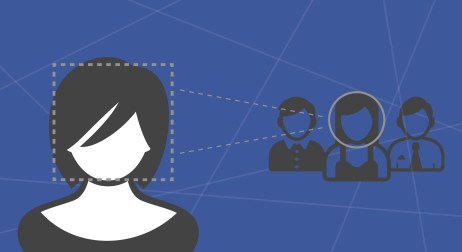
Facebook’s facial recognition technology has evolved to a point where it is as disturbing to many users as it is helpful. Earlier this month, the District Court for the Northern District of California denied a motion to dismiss a class action alleging that Facebook had unlawfully collected biometric data. In particular, plaintiffs took issue with Facebook’s “tags suggestion” feature, which identifies subjects in users’ photos and suggests names for users to tag faces in photos with.

Continue reading

Digital Whispers: Encrypted Communications and Law Enforcement

By Sam Hamptonlock

Much of the media attention addressing encryption for smartphones has been primarily centered on Apple and Google. Both Android and iOS operating systems offer whole device encryption, where a user’s phone data cannot be accessed without a code. Apple was the target of a lawsuit brought by the FBI who was requesting Apple unlock the cellphone of San Bernadino shooter, Syed Farook (see previous WJLTA Blog posts here and here). This case typifies an ongoing public debate about the balance the law should strike between privacy and security. But whole device encryption is just the tip of the iceberg.

Continue reading

Everything New Is Old and Unprofitable

Screen Shot 2016-05-11 at 7.51.43 AM

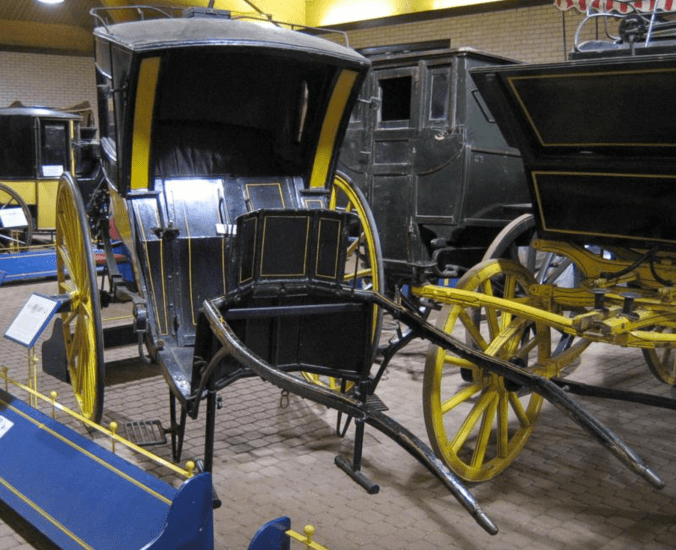
Image: Uber circa 1802

By Jessy Nations

With the advent of the smartphone, people have gained unfettered access to technology and services previous generations never could have imagined. With a few taps on your touchscreen, you can have someone pick you up and drive you anywhere in the city. Going on a trip? You can find lodging nearly anywhere at an ostensibly reasonable price. Hungry? Through the miracle of technology, you can have groceries or meals from your favorite restaurant delivered right to your doorstep. It’s all thanks to the wonders of the exciting new “sharing economy.”

Of course, none of this is actually new. Uber is a taxi service that forces its drivers to provide their own cars. Airbnb allows you to rent a hotel room in some stranger’s house. There is an entire field of law that is older than the United States that regulates common carriers, such as taxis, and another field regulating hotels called hospitality law. But Uber isn’t considered a common carrier; it’s “ride sharing.” Airbnb isn’t a hotel service; it’s a “home sharing” platform.

Continue reading

‘Beamer’ For a Buck

BMW and MINI Enter the Sharing Economy as Seattle Proves Itself a Leader in Legislation

BEAMERBy Grady Hepworth

This month, Seattle drivers were treated to a new transportation option that will allow hundreds of citizens to ditch their old clunkers for fresh, new, German-engineered wheels. On April 8th BMW officially announced that it would be starting its own car sharing service, ReachNow, with the pilot program and headquarters to launch in Seattle. BMW, and its subsidiary MINI, have hopes to expand ReachNow to cities across North America in order to compete with established sharing services like Car2Go or Zip Car, and even chauffer services like Uber and Lyft.

Continue reading