By: Daniel Eum
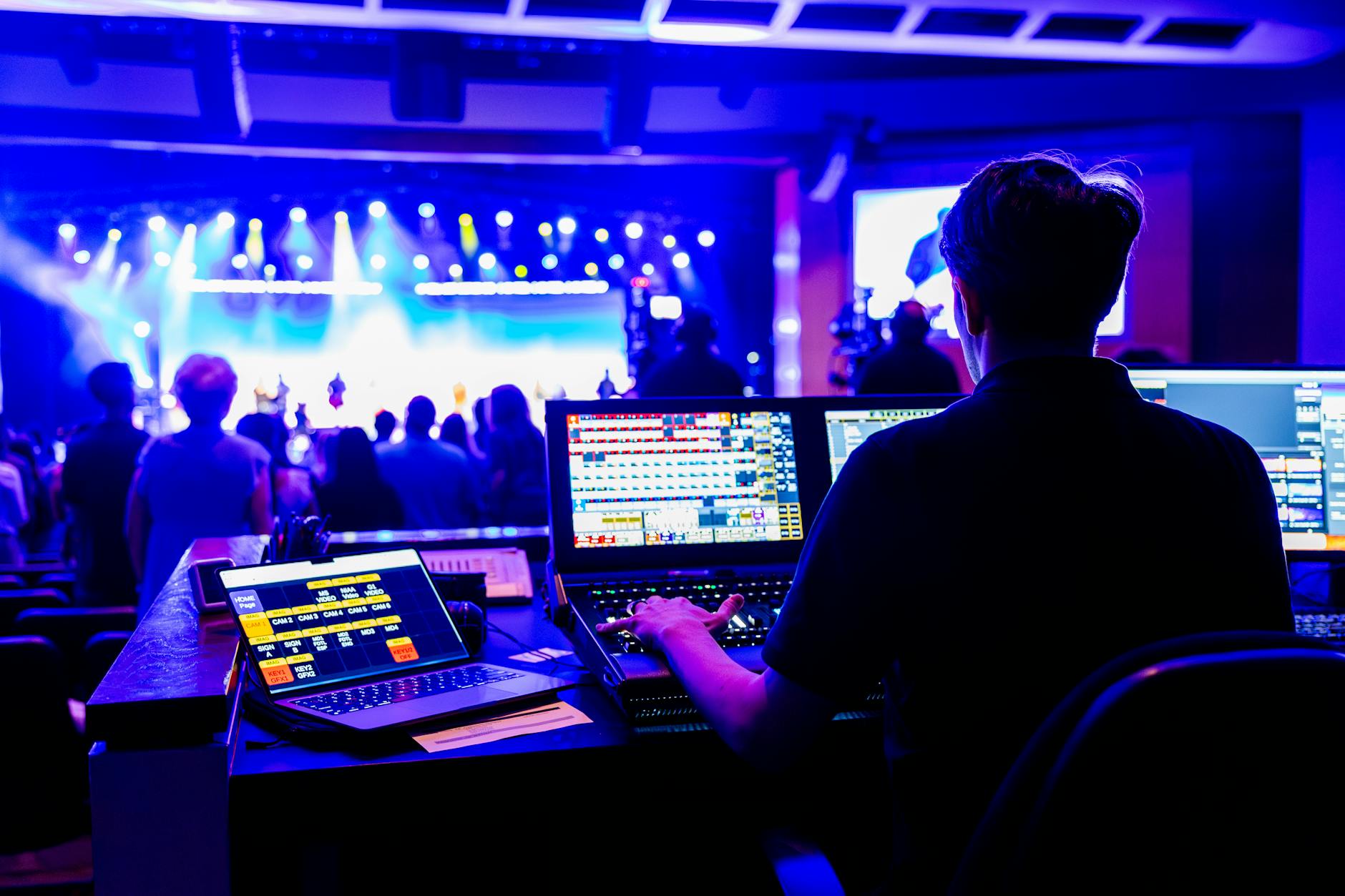
The COVID-19 pandemic, lasting from roughly late 2019 to mid 2022, caused institutions and governments to make changes to combat the spread of the virus, such as mandating that residents remain in their homes. Religious institution gatherings, including church gatherings, were not exempt from stay-at-home orders. As a result, many churches resorted to livestreaming their services rather than having in-person services. Even when the chaos of the pandemic began to settle, and restrictions on in-person gatherings eased, churches continued to provide online services. By mid-2021, 80% of churches offered hybrid services, combining in-person and remote options. One study shows that 91% of churches were livestreaming their services by 2024. In other words, livestreaming services became a common practice for churches post-COVID. However, churches that livestream services, including copyrighted music, likely engage in unlicensed public performances and reproductions, exposing themselves to copyright liability absent proper licensing.
Copyright Protection for Religious Works and the § 110(3) Exemption
Services include a variety of content, including songs commonly referred to as “praise” or “worship.” Religious works, including songs, are fully eligible for copyright protection under federal law. In United Christian Scientists v. Christian Science Bd. of Directors, First Church of Christ, Scientist, a 1987 case from the U.S. Court of Appeals for the D.C. Circuit, the court held that “a grant of a copyright on a religious work poses no constitutional difficulty” and “[r]eligious works are eligible for protection under general copyright laws.” Despite this, narrow exemptions for religious services exist under 17 U.S.C. § 110(3), which provides that “performance of a nondramatic literary or musical work or of a dramatico-musical work of a religious nature, or display of a work, in the course of services at a place of worship or other religious assembly” does not infringe copyright. In other words, while religious works are entitled to copyright protection, religious institutions may perform such works without infringement during services.
The Limits of § 110(3)
However, this statutory exemption for religious services was drafted with in-person worship in mind and provides limited guidance for modern online practices. The exemption critically lacks any language authorizing transmissions, such as livestreaming or broadcasting services online to remote viewers, unlike the educational exemptions in § 110(2), which extensively cover digital transmissions with detailed technological safeguards. This omission strongly suggests that Congress did not intend the religious exemption to extend to online broadcasting. In other words, this exemption is strictly limited to performances and displays occurring during actual worship services at places of worship. In Worldwide Church of God v. Philadelphia Church of God, Inc., the Ninth Circuit emphasized that this privilege is “narrowly limited” to performance or display “in the course of services at a place of worship or other religious assembly.” As such, livestreaming services do not fall within the statutory exemption, and churches may face potential liability for reproduction, distribution, and digital performance of copyrighted materials.
In Simpleville Music v. Mizell, a federal district court in Alabama held that when a radio station broadcasts a church service containing copyrighted music, the broadcast constitutes a separate performance not occurring at a place of worship, requiring royalty payments. Although there are very few, if any, reported post-COVID cases specifically addressing livestreaming church services, these cases indicate that churches expose themselves to copyright liability by livestreaming copyrighted “praise” or “worship” songs.
How Churches Might Mitigate Copyright Risk Today
Nonetheless, a large majority of modern worship songs are covered by Christian Copyright Licensing International (CCLI), which simplifies copyright compliance by providing comprehensive and cost-effective licenses that empower churches and organizations to legally stream a wealth of creative works. As a result, many churches rely on such licensing regimes when livestreaming services to mitigate potential liability. Unless Congress updates § 110(3) to account for digital worship, churches that livestream services will remain dependent on licensing regimes to avoid copyright liability—despite engaging in what many view as a modern extension of traditional religious practice.
#WJLTA #CopyrightLaw #DigitalWorship

