Are We FINALLY Going to See Some Cool Cable Set-Top Boxes?

16-TiVo-PremiereBy Cheryl Lee

Consumers who were frustrated by the high cost of renting set-top boxes filed class-action lawsuits against several cable TV operators. The antitrust class action filed against Cox Communications was the first to go to trial. The complaint, in that case, alleged that Cox violated the Sherman Act by illegally tying its premium cable service to its set-top box rentals. It also alleged that Cox created barriers preventing other companies from offering third-party set-top boxes. The jury returned a $6.3M verdict against Cox Communications. Continue reading

I’m a Yelp Reviewer: the Freedom to Review

south-park-s19e04c11-no-more-whistlin-willys_16x9By Talia Loucks

This past season of South Park featured an episode entitled “You’re Not Yelping” where Yelp reviewers took over the town, putting folks out of business with their bad reviews. As always, South Park provided a humorous commentary on the current issue many companies face: one or two negative reviews can severely damage business. Many businesses have come up with a way to combat this: anti-disparagement clauses. Continue reading

How the Law Failed Zoe Quinn

a975c4ea-29b7-11e5-888d-b3efe2891e10-1020x680By Jessy Nations

Our legal system was not designed with the internet in mind. The framers of the Constitution never thought that nude photos of themselves or anyone else would be published world-wide without their consent. They never even imagined being photographed. So when a mob of rabid misogynists harassed and threatened Zoe Quinn on social media, it should not be surprising that the legal system couldn’t protect her. If anything, seeking legal remedies for a relentless stream of graphic death and rape threats made matters worse for Ms. Quinn. Our legal system is much less about protection and more about punishment. Ms. Quinn is the target of the #Gamergate movement. This began after her ex-boyfriend used the internet (through platforms like reddit and 4chan) to allege that Ms. Quinn slept with a journalist in exchange for a positive review of her game entitled Depression Quest. Despite the fact that this review was never actually written, the response was swift, violent, and unrelenting. Because a game developer was accused of sleeping with a journalist for a positive review, people all over the world sent Ms. Quinn death threats, rape threats, published her personal information, and harassed her friends and family for two years; and this harassment is still ongoing. Continue reading

Pirates v. Trolls: Justices Trying to Play a Balancing Act on the Standard for Patent Law Treble Damages

troll-pirateBy Don Wang

As my buddy Vijay reported last November, the Supreme Court granted certiorari for Halo Elecs, Inc. v. Pulse Elects., Inc.., which was consolidated with Stryker Corp. v. Zimmer, Inc., to address whether it should change the current standard for awarding treble damages in patent suits. On February 23, 2016, the high court conducted the oral argument, and the transcript is available here. Continue reading

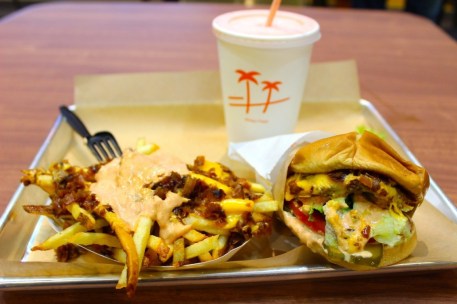
Animal-Style v. Cali-Style: The Better Burger Battle

Caliburger-Seattle-03-1024x683By Kelsey O’Neal

Everyone who has been to Southern California has probably seen a bright yellow arrow pointing to the promise of the ultimate meal: a double-double, animal style fries, and a Neapolitan shake. Where does the arrow point? In-N-Out Burger. The company typically stayed within a certain radius of its original store in Baldwin Park, CA, and it wasn’t until 2011 that it opened a restaurant in Texas. In-N-Out has been notoriously slow to expand. So, it must have been a shock for the residents of Shanghai to see animal style burgers in the Jing An Temple District in 2011. However the force behind the new store was not In-N-Out, but rather Caliburger, LLC, a Diamond Bar, CA-based company that trademarked In-N-Out’s menu items in Asia and Eastern Europe. In-N-Out wasted no time; it sued Caliburger in Santa Ana, California. The two companies settled, and the settlement was likely contingent on Caliburger’s willingness to change its menu. (For example, a “double-double” is now a “Cali-double,” and “animal style fries” became “wild fries,” which then morphed into “Cali-style fries.”) Continue reading