Are Hoverboards Hovering Above the Law?

hoverboardBy Denise Kim

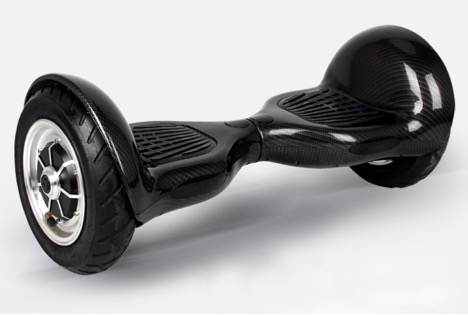
Hoverboard, glider, electric skateboard, or skywalker—the technology goes by many different names. But many in the public and the news use the term hoverboard. For those who are unfamiliar with the technology, a hoverboard is a self-balancing scooter or a two-wheeled motorized gadget that normally costs between $300-500. To operate a hoverboard, the owner leans forward to move ahead. The owner leans back on the two pressure sensitive footpads to brake or reverse. Hoverboards have become a new staple in the 21st Century. Hoverboards have also raised safety concerns.

One safety concern is that hoverboards can randomly catch on fire. Major airlines including American, Delta, United and Southwest banned hoverboards from being checked in or carried on the plane. Toward the end of 2015, these safety concerns caused major panic across the U.S. and the rest of the world as many bought hoverboards for loved ones for Christmas. The airline companies cited concerns over the lithium ion batteries (which the Federal Aviation Administration regulates as hazardous materials) as the reason behind this universal ban. Continue reading
Grumpy Cat Trumps Technoviking: Monetizing Memes

grump_vikingBy Robin Hammond

How to monetize a meme: Step 1: stumble upon an Internet sensation; Step 2: pursue IP rights immediately and vigilantly.

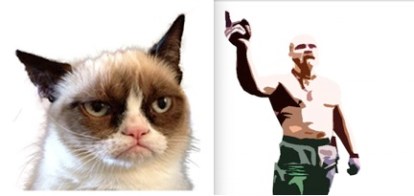
It is clear who would win in a fight between Grumpy Cat and Technoviking. It is also clear who has won in the realm of Intellectual Property (“IP”) rights. Technoviking is a man who was thrust into internet fame by a viral video on youtube.com. Grumpy Cat is a genetically abnormal cat, which achieved similar notoriety through reddit.com. Both cases illustrate the benefits of prompt IP right designations. Continue reading

SCOTUS Will Determine Fate of Legal Falsity Under the FCA

k9263134By Miriam Swedlow

A core purpose of the Federal Claims Act (FCA) is to discourage and prevent the submission of fraudulent claims to the government. The statute imposes treble damages, civil penalties, and attorneys fees for “knowingly” submitting a “false . . . claim for payment or approval.” The Act further discourages violation by permitting private relators a portion of the damages awarded in a successful action.

The Supreme Court may halt the expanding scope of FCA liability as it considers what counts as “false” under the FCA. The Court granted Certiorari for one of two petitions asking to settle a circuit split over whether an implied certification of compliance is actionable under the FCA, 31 U.S.C. §3729. A wide range of industries will likely watch the Court’s decision because it impacts any person or corporation that contracts with the federal government. This includes defense industry contractors, banks, telecommunication companies, health-care providers, and hospitals. Continue reading

California Hits the Brakes on Google’s Driverless Cars

car.jpgBy Yayi Ding

On December 16th, California’s DMV released a set of proposed regulations that could potentially delay or curtail the development of autonomous, driverless cars. Car developers, including Google, Tesla, and BMW, have quickly expressed their disappointment in these legal proposals. Nonetheless, the proposed rules will go through months of comment and review before finalization, and two relevant public consultations will be held in California in early 2016. Continue reading

WJLTA Publishes Fall 2015 Issue

The Washington Journal of Law, Technology & Arts (WJLTA) has published its Fall 2015 Issue. WJLTA publishes concise legal analysis aimed at practicing attorneys on a quarterly basis.

Throwing the Flag on Pay-for-Play: The O’Bannon Ruling and the Future of Paid Student Athletes by Senior Submissions Editor Joseph Davison analyzes the recent rulings in favor of the NCAA rules preventing players from being paid for the use of their names, images, or likenesses. The article argues that rulings such as this are contradictory to the fundamental principles of antitrust law and have the potential to eliminate the college sports product entirely.

The second article, The Wooly-Mammoth in the Room: The Patentability of Animals Brought Back from Extinction Through Cloning and Genetic Engineering, by Executive Articles Editor Miriam Ricanne Swedlow looks at whether clones of once extinct species, which now contain both naturally occurring DNA as well as man-made DNA, can be patented.

University of Virginia School of Law 2016 J.D. Candidate Chad Squitieri wrote the last article: The Limits of the Freedom Act’s Amicus Curiae. This article looks at national surveillance reform and examines the differences between the originally called for “special advocate” and the Freedom Act created “amicus curiae”. The article continues the call for a special advocate.

See the full issue here.

Visit the Washington Journal of Law, Technology & Arts Website here: http://www.law.washington.edu/wjlta/.