Big Brother is Watching… But not in Iowa City?

Image

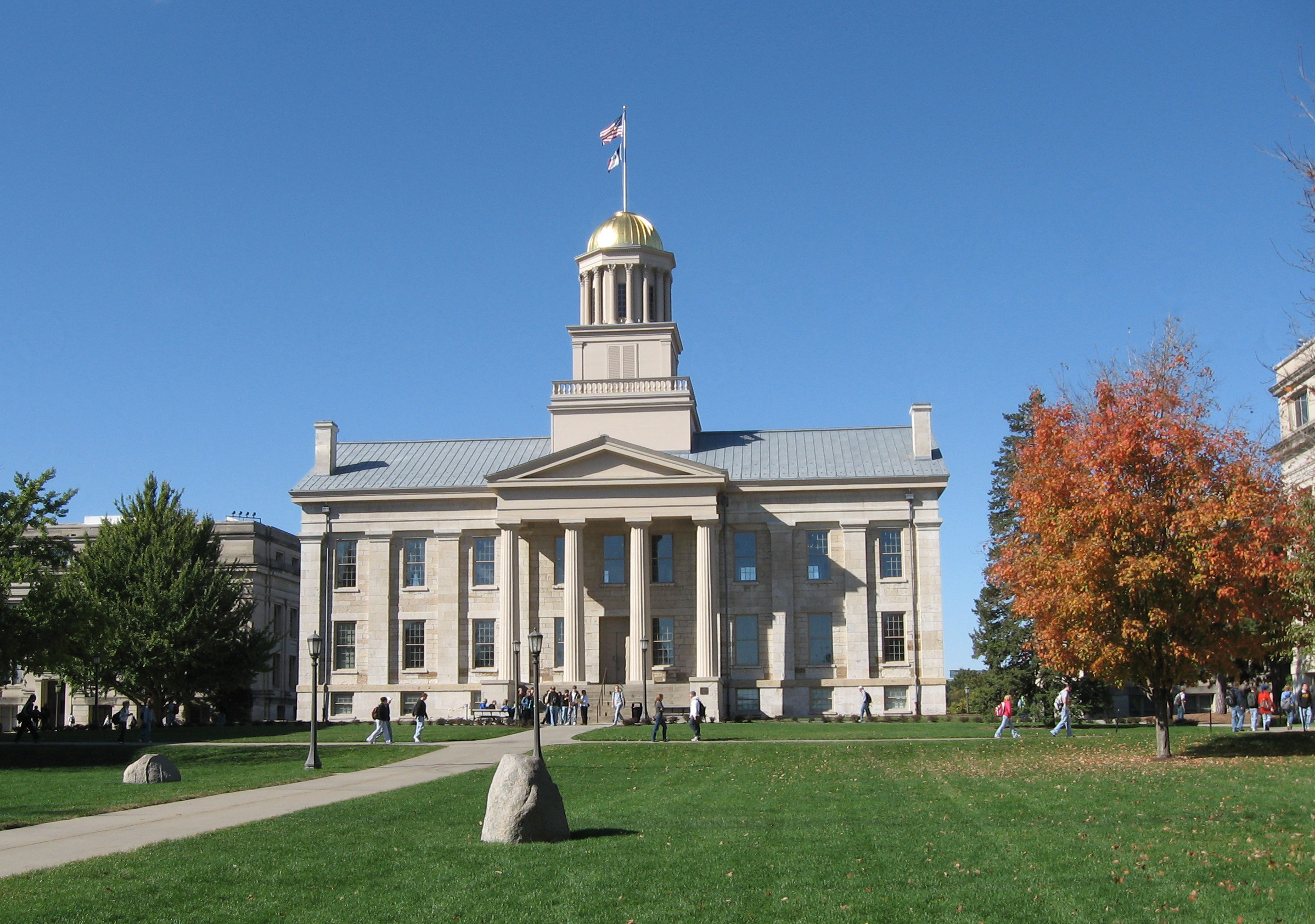
Old Capitol Building in Iowa City

By Megan Fensterman

In an unprecedented move to protect citizen privacy, Iowa City residents presented the city council with a bill last week which, if passed, would ban the use of all red-light cameras, license plate readers, and traffic enforcement drones within the city. The bill was introduced after several groups, including StopBigBrother.org, Young Americans for Liberty, College Republicans, and the American Civil Liberties Union of Iowa, held a forum in March to address citizens’ concerns related to such enforcement technologies. Notably, many parts of the bill are intended as proactive measures; while the bill would require removal of red-light cameras already in place, Iowa City officials have announced no plans to use drones or license plate readers as part of their traffic enforcement strategies.
Continue reading

Texas Legislature Passes Private Drone Ban, But Promises Many Politically-charged Exceptions

ImageBy Chelsey Heindel

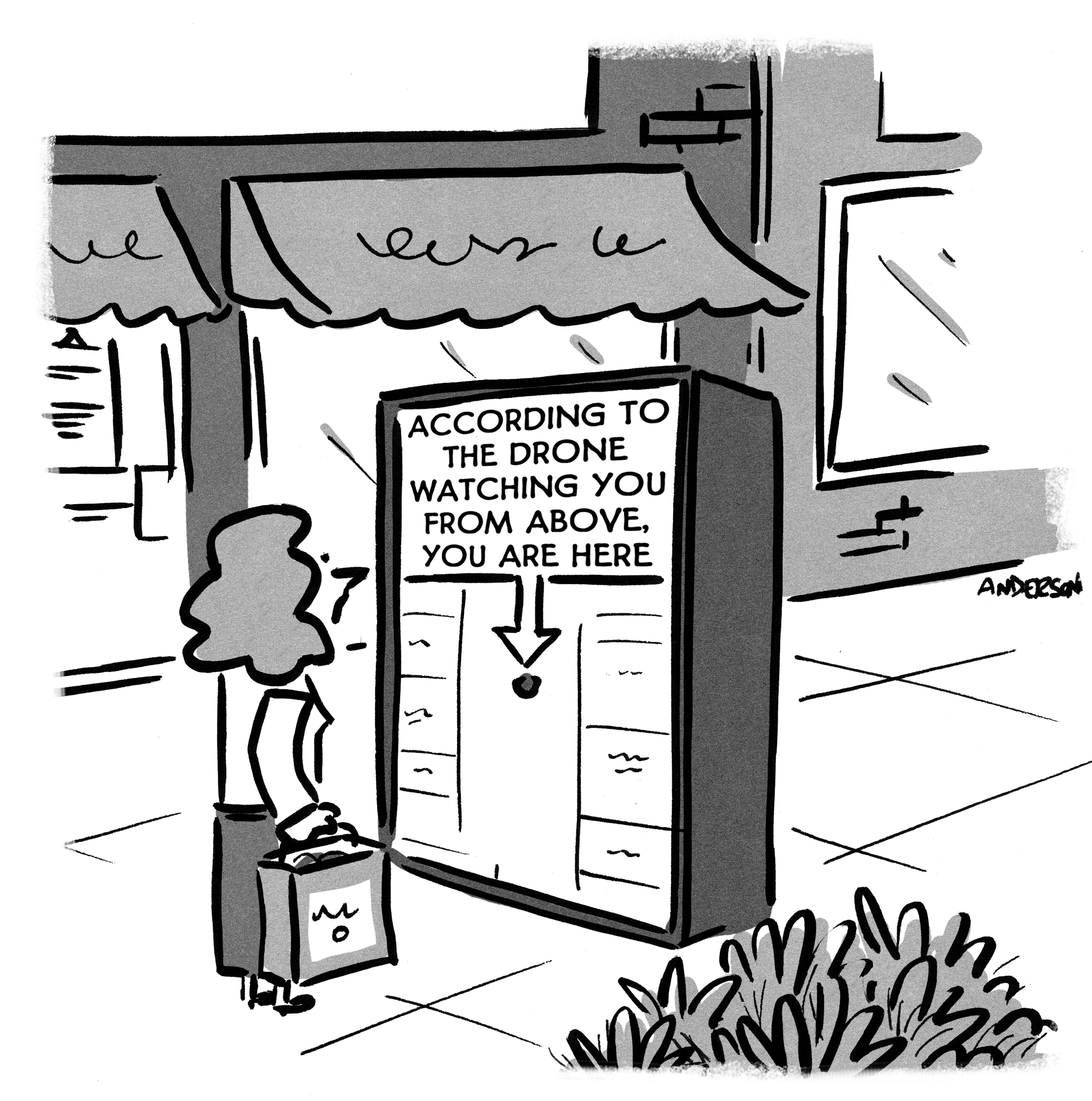
This week, the Texas legislature passed the “Texas Privacy Act,” a bill that would prohibit private drone usage within the state.

Passing the state Senate 26-5 and House of Representatives 140-4, House Bill 912 would classify drone usage “with the intent to conduct surveillance” as a Class C misdemeanor. The proposal specifically targets private individuals using drones to document “an individual or privately owned real property.”

If Republican Gov. Rick Perry authorizes the proposed law, Texas would be the third state to ban private drone usage: Virginia Gov. Bob McDonnell agreed to a two year moratorium on drones in February, and Idaho Gov. C.L. “Butch” Otter signed a privacy-oriented drone restriction into law last month.

Unlike Virginia and Idaho, though, Texas is geographically and politically oriented towards far more than individual privacy rights.

Continue reading

Public Domain or Copyrighted, My Dear Watson?

Image

Photo Credit: H Armstrong Roberts/Corbis

By Peter Dang

When we think of the term “detective,” the image of Sherlock Holmes quickly comes to mind—the quirky hat; the deductive reasoning skills; and, of course, the memorable phrase “Elementary, my dear Watson.” The famous detective first appeared in 1887 in the novel A Study in Scarlet by Sir Arthur Conan Doyle. Other novels and short stories about Holmes quickly followed and continued to be written and published as late as 1927. Most of those written works have since entered into the public domain, but copyright law still protects ten stories in the United States.

What happens to a character’s copyright protection when the original stories they starred in have entered into the public domain, but those published later have not? Continue reading

The Appropriation Artist Currently Known as Prince

Richard Prince’s “Graduation”

By Chris Young

You know you have made it as a photographer when your work is appropriated by an artist well known for relying on other artists’ copyrighted material. Last month, the Court of Appeals for the Second Circuit reversed a lower court ruling that would have compelled American appropriation artist Richard Prince to turn 30 works of art over to the plaintiff, photographer Patrick Cariou. The works in question, paintings and collages exhibited in 2007 and 2008, used some of Cariou’s photographs of Rastafari from his 2000 book, Yes Rasta.

Continue reading

Could Trademark Litigation Force the Washington Redskins to Change Their Name?

Image

Photo Credit Keith Allison

By Pedro Celis

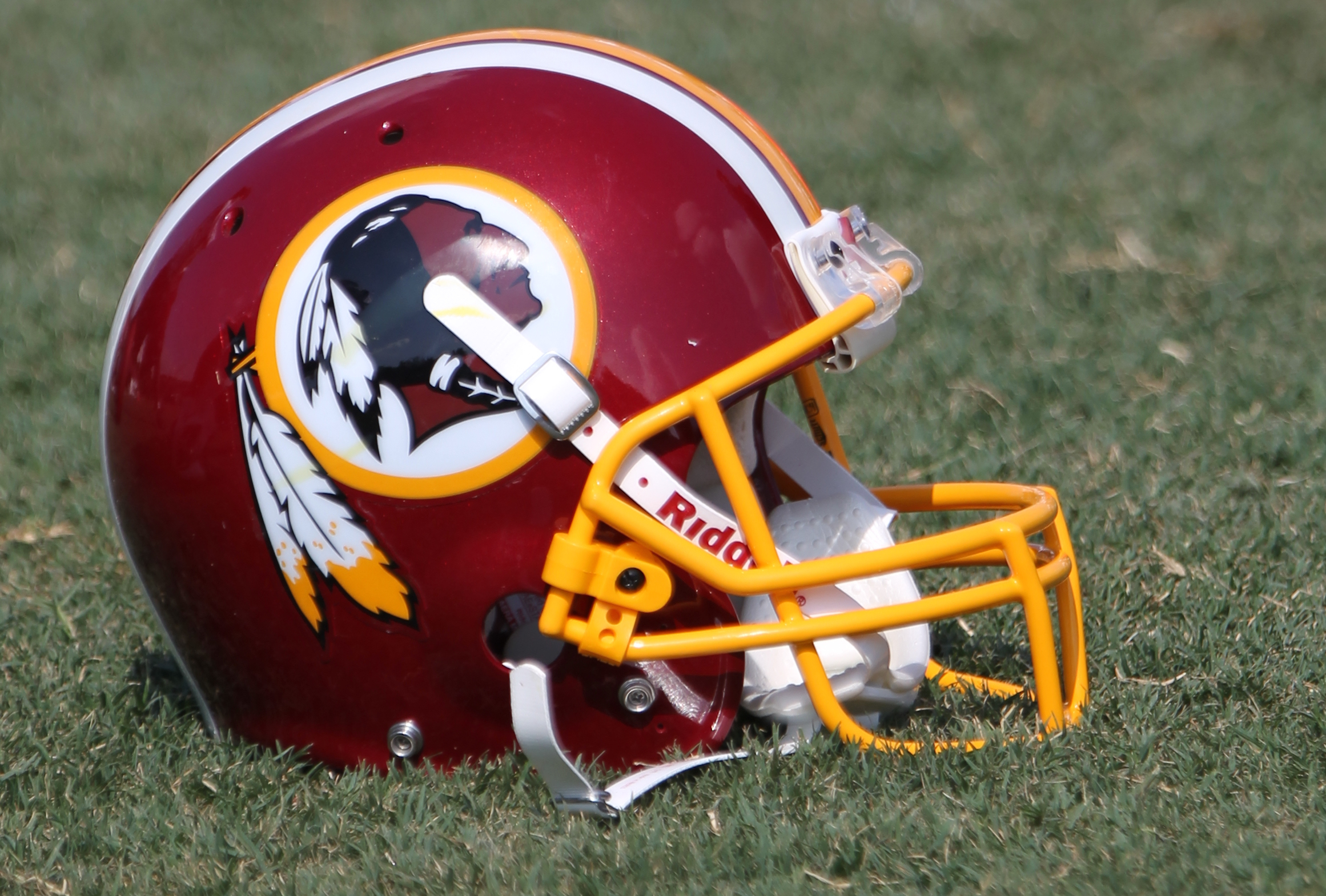
In Blackhorse v. Pro Football, Inc., a group of Native American plaintiffs is challenging several of the Washington Redskins’ trademarks before the Trademark Trial and Appeal Board (TTAB). They claim that the Redskins trademarks “disparage” Native Americans and “bring them into contempt, or disrepute” in violation of Section 2(a) of the Lanham Act. Public pressure on the Redskins to change their name has increased, and most recently, Washington D.C.’s mayor and congressional delegate urged the Redskins to adopt a less offensive name. Despite the public pressure, Redskins’ owner Dan Snyder has stated that he has no plans to change the team’s name, but this trademark litigation could give him a financial incentive to change his mind. The TTAB heard the case in March, and will likely issue a ruling in a few months.

Continue reading