More Than Skin-Deep: The Complex World of Tattoo Copyright Law

By: Jacqueline Purmort-LaBue

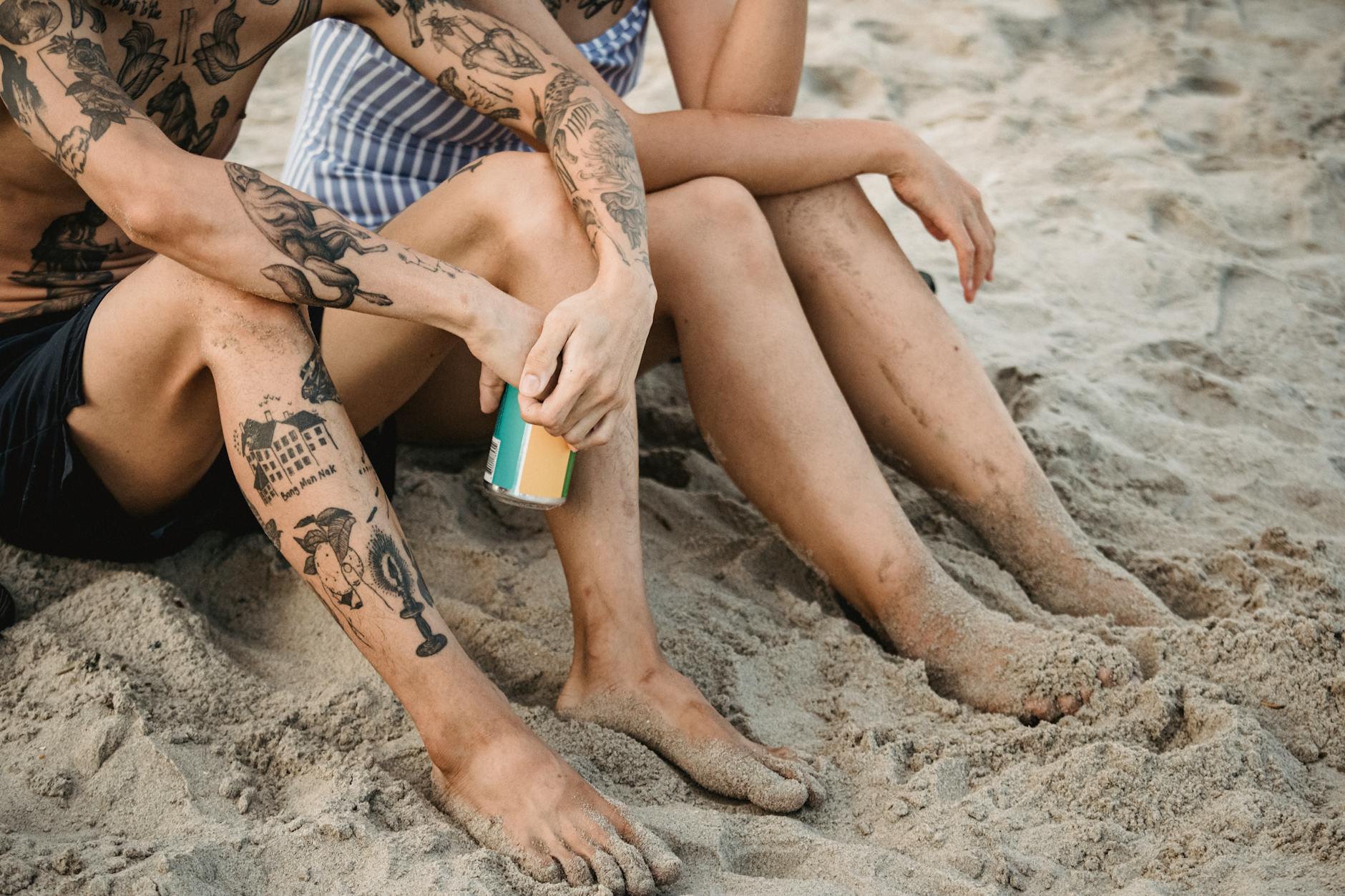
Long gone are the days where tattooed ladies were a radical phenomenon for rabid observation in circuses, sideshows, and dime show museums. As of 2023, it was estimated that 32% of Americans have a tattoo, with 22% sporting more than one. Visible tattoos have become more prevalent in the workplace and general attitudes are more accepting than ever. 

Part of the popularization of tattoos and tattoo culture can be attributed to the rise of reality TV shows like Ink Master and LA Ink. Earlier this year, Kat Von D, a celebrity tattoo artist famous for her work on LA Ink and her cosmetics line, was sued by Jeffrey Sedlik for copyright infringement. The issue arose over an Instagram post depicting Kat Von D tattooing a portrait of jazz singer and songwriter, Miles Davis. The portrait is nearly identical to Sedlik’s photo of Davis published on the cover of JAZZIZ magazine, with Davis staring straight into the camera with one finger over his lips. 

Kat Von D won when a jury ruled unanimously that her reproduction in a tattoo did not violate copyright law. The lawsuit has become the latest battlefield to determine what constitutes “fair use” under the Copyright Act of 1976. The Act establishes the basis for existing copyright infringement law, which prohibits anyone from reproducing, distributing, performing, publicly delaying, or creating derivative works from a copyrighted work without permission from the copyright owner. The Act also establishes the legal concept of “fair use,” which permits creators to use limited portions of a copyrighted work without having to pay a fee to the copyright owner or ask for permission. Fair use prevents the rigid application of copyright law, encouraging creativity and allowing other creators to use and build upon prior works in a way that does not unfairly deprive copyright owners of the right to control and benefit from their works. The lawsuit claimed infringements based on the reuse of the photo on the tattoo itself, the social media posts by Kat Von D, and the sketch of the photo that Kat Von D used to design the tattoo. 

From Sedelik’s perspective, this case was about protecting the works of visual artists and their livelihoods. Although copyright is utilized to protect originality, the fair use doctrine functions to inspire creativity and allow for artists to build off one another. Here, the function and creation of a photograph and a tattoo are wildly distinct. Any tattoo artist can confirm that the process of tattooing is drastically different from other forms of expression. Drawings do not always translate to skin, and many tattoo artists spend years practicing on pig’s skin before they dip their needle into a live client. 

By utilizing the art of tattooing, Kat Von D added a layer of originality to the image. Tattoos are also living, breathing pieces of artwork. While a physical photograph or painting may “speak” to an individual, beckoning admiration from afar, tattoos are so meaningful to the wearer that they become integral to the individual’s own physical appearance and identity, embedded under the skin. 

If Kat Von D loses on appeal, the outcome could have wide implications and far-reaching consequences for the tattoo industry. Many tattoo artists rely on clients bringing in their own ideas and designs, sometimes sourced from artists discovered on Instagram or Pinterest. Some non-tattooing artists have found a way to receive recognition by offering “tattooing rights” on their online shop, but for the tattoo artists, this might mean being increasingly cautious about the kind of work they accept. On the client side, it might make it more difficult to get tattooed. 

While the jury found that the social media posts were protected by fair use, they also found that the two works in question were not substantially similar, avoiding the potentially broader question of fair use in the tattoo market, and leaving the opportunity open for further lawsuits on this issue. If the jury had determined that the two works were substantially similar and yet the social media posts were still covered under fair use, tattooing itself being enough of a modification of the original work to qualify as fair use would be a clearer precedent on the issue. 

For now, tattoo artists remain protected by fair use, but as the popularity of tattoos continues to soar, the legal landscape surrounding artistic ownership and creative expression will likely evolve, challenging both artists and clients to navigate an increasingly complex relationship with the art form. While many tattoo parlors, artists, customers, and fanatics are breathing a sigh of relief from this judgment, the outcome is not dispositive on future lawsuits and full protections have yet to be granted. The industry considers copyright provisions in tattooing waivers as a safeguard against future lawsuits while hoping that future court decisions will show sensitivity to the competing interests of both the artists and the client. 

Go ahead, book that Pinterest tattoo while you still can.

#WJLTA #copyrightlaw #IP #tattoos

Sorry Grandma . . . ChatGPT says You’re Healthy: The Growing Prevalence of AI in Insurance Claim Denials

By: Joseph Valcazar

As of 2024, 32.8 million Americans received health insurance through a Medicare Advantage plan. This accounts for over half of all Medicare recipients. Covering some of the most vulnerable members of the populace. Including senior citizens aged 65 and older, individuals with disabilities, and those with end stage renal disease. It should come as no surprise that these groups are reliant on insurance to cover necessary treatments that would otherwise be too costly. Even with coverage, 13.6% of a Medicare family’s total expenses are health-related. In contrast, for non-Medicare families this figure is 6.5%. Now, health insurance carriers are integrating AI driven predictive models to calculate care plans, which is raising concerns among medical professionals that patients are being denied necessary care, leading to legal action.

What is Medicare Advantage?

Traditional Medicare encompasses inpatient treatment through Medicare Part A, and outpatient treatment through Medicare Part B. Eligible recipients of Medicare are automatically enrolled to receive coverage under part A. Part B coverage is voluntary. Users who choose to participate in Part B pay a monthly premium, determined by an individual’s household income.

In 1997, Congress passed the Balanced Budget Act (BBA) which introduced Medicare Part C, later named Medicare Advantage (MA). The BBA permitted the Center for Medicare & Medicaid Services (CMS) to contract with private health insurance carriers to provide health insurance plans to eligible Medicare recipients. In turn, MA participants would receive full Part A and Part B coverage, just as they would under traditional Medicare, but through a private insurance carrier (think UnitedHealthcare, Blue Cross Blue Shield, etc.). In addition, MA plans could offer supplemental benefits not offered under traditional Medicare, such as dental and vision coverage or gym memberships. 

However, under Medicare Advantage, these private companies control all MA related claims, determining how much of received or expected care is covered. This is where the controversial nH Predict model enters the picture. 

The nH Predict Model. 

Created by NaviHealth (now owned by UnitedHealth Group), the nH Predict model is designed to predict post-acute care needs. Post-acute care refers to treatment for a severe injury, illness, or surgery, typically caused by trauma. The most common post-acute treatments involve visits to  skilled nursing facilities (SNF), and home health agencies (HHA)

Investigations of the nH predict model have indicated the model has become “increasingly influential in decisions about patient care and coverage.” While the specifics of the model are unknown, the nH predict model functions by utilizing databases containing millions of medical records, evaluating demographic information such as age, preexisting health conditions, and other factors to determine custom care plans, including duration of treatments.

The utilization of predictive models has garnered concerns from medical professionals and patients alike, who are concerned that an increasing reliance on such models fail to account for the unique individual factors that contribute to a patient’s recovery, leading to inaccurate results. An ongoing class action lawsuit claims the nH predict model has a 90% error rate. The lawsuit also accuses UnitedHealthcare of having knowledge of this error rate and still using the model to override treating physicians’ determinations.

Class Action Lawsuits

Since its creation, multiple health insurance providers have integrated the error-prone nH predict model into their claims process. Many MA patients have filed federal class action lawsuits against major health insurance companies, including UnitedHealthcare and Humana, alleging breach of contract, breach of implied covenant of good faith and fair dealing, and unjust enrichment. The plaintiffs claim that by using the faulty nH predict model, these companies have unfairly denied claims which have directly and proximately caused their damages.

In one claim against UnitedHealthcare, Dale Henry Tezletoff, a 74 year old MA recipient suffered a stroke that required hospital admission. Mr. Tezletoff’s doctor recommended he seek post-acute treatment at a SNF for 100 days. After 20 days of treatment at an SNF, he was informed by UnitedHealthcare that any future treatment would not be covered. It required two separate appeals before a UnitedHealthcare doctor reviewed Mr. Tezletoff’s medical records and concluded additional recovery time was needed. Yet, after 20 more days at the SNF, Mr. Tezletoff was again informed that any future post-acute care had been denied. And this time, even with an opposing opinion from Mr. Tezletoff’s doctor, UnitedHealthcare refused to overrule its decision. As a result, Mr. Tezletoff was required to pay out-of-pocket expenses totalling $70,000 to receive the necessary treatment.

These lawsuits shine a spotlight on the ethical and legal ambiguities of AI in its current state. The legal system is not well equipped to respond on the whim to new complex technological advancements. When a court has the opportunity to hear a case on an emerging issue, it is placed in a position to serve as a voice of authority. A ruling in the plaintiff’s favor would act as a deterrent to similar future conduct. Providing the legislature an additional buffer as they tackle the unenviable task of regulating this new technology.

The fact is, Mr. Tezletoff’s story is not unique, and the implications of these lawsuits are apparent; people’s quality of life is on the line. The outcome of these lawsuits, and the response from the government, will help shape how AI is integrated into the healthcare industry and others like it.

The Government’s Initial Reactions

The federal government has begun to respond to these concerns. On January 1, 2024, the Department of Health and Human Services enacted new rules requiring specialized health care professionals to review any denial involving a determination of a service’s medical necessity. A change that is viewed as fixing “a big hole” in managing the use of AI predictive models.

More recently, on September 28, 2024, California passed SB 1120, requiring health care service plans utilizing AI to determine necessary medical treatments to meet and comply with specific requirements. The objective of this new legislation is to increase the transparency of these models, prevent discrimination, and limit supplantation of health care providers decision making.

The introduction of AI in the healthcare industry is novel, and further reactions from governments on a state and federal level are likely to follow.

Conclusion

Proponents of AI predictive models believe that these systems will speed up the claims process, detect unusual billing patterns, and allow health insurance companies to make more accurate risk assessments. In turn, this will allow these companies to utilize their resources more efficiently and offer better treatment plans. But at what cost to the insured? If AI proves to be as reliable as its proponents believe, then perhaps a future exists where predictive models are commonplace, and serve to benefit not only the insurance companies, but those covered as well. However, many of these models are in their infancy. Currently relying on the outputs of these models, especially when it involves the health and wellbeing of individuals, is a slippery slope that can, and has harmed people physically and financially. 

Rehoming Homer: The Licensing Battleground of US Theme Park Juggernauts

By: Alyssa Blackstone

Creating attractions around intellectual property (“IP”) has always been lucrative to theme parks. It’s no wonder that the biggest theme parks in the United States – Disney and Universal – center their entire parks around movies and characters that they already own. Why pay another company for a license when you can build attractions from intellectual property you already own? We see this all the time with Disney; their movies and films have widespread appeal so they can bank on people visiting their park for a ride based on Frozen. Sometimes theme park’s reach for even older IP, as is the case with Universal. Universal recently announced an addition to their Florida resort called “Epic Universe”, which will feature an area themed around old universal monsters such as Frankenstein and Dracula. Even though these films are nearly a century old, Universal still owns the copyright for these films and characters and they are still widely recognizable.

However, sometimes that’s still not enough. Sometimes these companies want IP from franchises and films that they don’t own.

This is where licensing IP comes in. An IP license is an agreement in which party A can authorize party B to use A’s IP. Party A keeps the ownership of the IP, but B is allowed to use it in whichever way the parties agreed upon, usually for some amount of money or yearly payments.

Theme parks licensing IP from other companies started as early as the 1980s. Before Disney could even think about buying the Star Wars franchise, they wanted Star Wars IP in their California park. They signed a licensing deal with LucasFilms – the owner of the Star Wars franchise – to allow Disney to use LucasFilm properties in Disneyland. Disney offered Lucas $1 million per attraction per park per year. This allowed Disney to open rides like Star Tours in 1988, and Indiana Jones and the Temple of Doom in 1995. Disney paid the annual fee to use those properties in their parks until they bought LucasFilms for $4 Billion in 2012. Now they can use Star Wars in their parks to their heart’s content, and have built many rides and attractions using the worlds, characters, and ideas from the popular sci-fi franchise.

One would think owning a company would be the end of it; you buy a film studio and you get access to all of their IP to use in your theme park as you please. Unfortunately, it is not quite that simple, as is the case with Marvel’s theme park use.

You might wonder why Disney hasn’t jumped on the opportunity to shovel Marvel characters and attractions in their parks since acquiring the studio in 2009. Simple, they can’t.

After filing for bankruptcy in 1996, Marvel began licensing their characters to various companies to try and make a financial comeback. One license was an agreement between Marvel and MCA, Inc., a company that would later be reincorporated as Universal Studios, Inc. This agreement was specifically for the use of Marvel characters – like The Avengers – and the Marvel name in theme parks, namely Universal Studios Florida’s Islands of Adventure slated to open in 1999.

This agreement gives Universal Studios exclusive rights to use the name “Marvel” in regard to attraction name or marketing in the entire United States. The agreement also stipulates that east of the Mississippi River, no other theme park can use characters that are being used in the Universal Studios Florida Park. In this case, use includes using a specific character or any other character in the same “family”. This means if Universal is using a character from the Avengers family, like Iron Man, no other Avenger character can be used in any theme park east of the Mississippi. This licensing agreement is also granted to Universal essentially in perpetuity; the terms of the agreement continue as long as a Marvel park is open at any Universal Theme Park. Before the Marvel Cinematic Universe was even born, Disney’s biggest theme park rival had snatched up exclusive rights to many of Marvel’s most popular characters.

These agreements completely block Disney from having any Avenger’s themed attractions in their Florida park, or even using “Marvel” in their California ones. Disney has gotten around this agreement a little – by calling their Marvel-themed area “Avengers Campus” instead of using the word “Marvel”, or by using the non-Avengers affiliated Guardians of the Galaxy for an attraction in their Florida park. Disney is also allowed to have characters like Loki on treats in their shopping area, as that isn’t considered a theme park even though it is attached to one. However the Universal agreement limits what Disney is allowed to do, even when they own the rights to intellectual property related to Marvel films (such as having to remove a Marvel-themed wrap for their monorail, as “riding through” Epcot park constitutes an attraction in the eyes of the law).

Disney made another huge purchase in the 2010s: the acquisition of 21st Century Fox in 2019. This gave them access to a whole host of new IP, including the iconic Fox adult animated sitcom The Simpsons. Currently, Universal Studios has an area of their California park dedicated to The Simpsons complete with merchandise, attractions, and restaurants. However, this agreement that allows Universal to use The Simpsons IP in their parks is allegedly ending in 2028. The question will be what will happen to that area of the park when the time limit is up?

Disney could renew the license, earning money from Universal. They could block Universal from a renewal, forcing their competitor to spend time and money tearing down The Simpsons-themed “Springfield, U.S.A.” area and rebuilding something new. Or, Disney may want to forgo renewal to Universal in order to use The Simpsons in their own parks. Disney has full control of The Simpsons IP, and thus full control of what will become of their future presence in theme parks.

#themeparks #IPlicenses #marvel

Can You Protect Grandma’s Secret Sauce Recipe? IP Protecting Culinary Innovation

By: Santi Pedraza Arenas

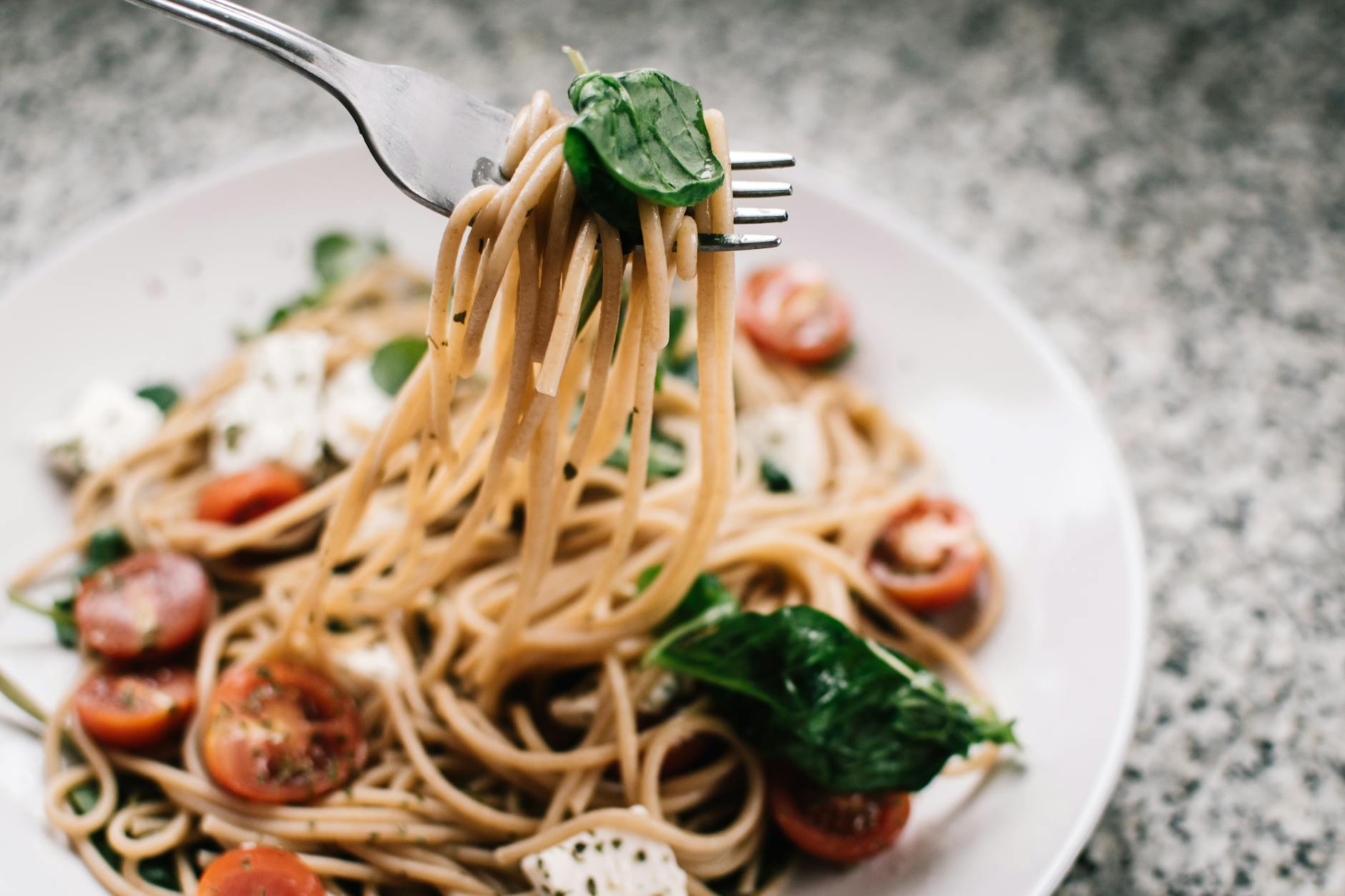
Grandma’s pride and joy isn’t her grandchildren—it’s her pasta sauce, a cherished recipe passed down through generations. With a determined spirit, she refuses to share it with anyone outside the family. But when she accidentally posts the recipe online, her culinary treasure is suddenly at risk. How can we protect Grandma’s secret sauce from being stolen and used by the masses?

In the culinary world, creativity drives innovation, from secret recipes to unique plating. But how do intellectual property (IP) laws come into play to safeguard these efforts? While food might seem outside IP’s traditional scope, various legal protections—including trade secrets, copyrights, and patents—can help grandmas, chefs, and food companies protect their delicious creations. This blog explores how IP law intersects with the food industry, and the tools available to chefs and food companies to protect their creations.

Recipes and Copyright: Functional or Creative Works? 

Copyright law is designed to protect original works, but recipes often fall into a legal gray area. Typically, recipes are viewed as functional works because they consist of lists of ingredients and instructions aimed at producing a dish. This functional nature means that they generally do not qualify for copyright protection. Because recipes primarily guide the preparation and cooking process rather than expressing artistic creativity, they typically do not meet the criteria for copyright protection. However, some recipes may qualify for protection if they contain elements of creative expression. For example, while a basic list of ingredients and instructions would not meet copyright standards, a recipe that weaves in storytelling, personal anecdotes, or cultural significance may be eligible. 

The case of Publications Int’l Ltd. v. Meredith Corp. further explores this issue. The court ruled that recipes could receive copyright protection only if they showcase creative expression beyond their functional components. This ruling emphasizes that a recipe can be more than just a set of instructions; it can incorporate storytelling, cultural context, and personal narratives that elevate it into an artistic domain. For chefs, this legal precedent provides a means to protect not only the technical details of their culinary creations but also the unique stories that enhance their dishes. By integrating these creative elements, chefs can safeguard the overall experience of their culinary offerings, making it harder for others to replicate the essence of what makes their dishes distinctive.

Plating and Presentation: Food as an Artistic Expression. 

In the age of social media, how food looks on the plate is almost as important as how it tastes. But can the art of food presentation, or “plating,” be protected under IP law? Though chefs are increasingly recognized as artists, current copyright laws don’t explicitly protect food presentation. The intricate designs chefs create on plates can be considered art forms, due to the use of color, size, and texture on a plate that serves as a canvas. However, there is no clear legal precedent for copyright protection in this area.

Trade Secrets: A Common Solution for Culinary Creations.

One of the most common ways chefs and food companies protect their valuable creations is through trade secrets. A trade secret is confidential business information that gives a company a competitive edge, such as a recipe, formula, or process. Some of the most famous recipes in the world, like the formula for Coca-Cola or KFC’s secret blend of herbs and spices, are protected as trade secrets. Unlike copyright, which requires public disclosure, trade secrets remain protected as long as they are kept confidential.

Smaller restaurants can also benefit from trade secret protection. A family-run restaurant, for instance, can safeguard a secret sauce recipe by ensuring that the recipe is not generally known, provides some sort of economic gain, and has been protected from public knowledge. However, keeping recipes secret can be challenging as advances in food technology make reverse engineering more common.

Patents in the Culinary World: When Technology Meets Food.

Patents, though rare in the food industry, can apply to innovative cooking methods or technology. A patent is a legal right granted to an inventor that allows them to exclude others from making, using, or selling their invention for a certain period of time. For example, molecular gastronomy—a style of cooking that blends food science with culinary arts to create new textures and flavors—offers unique patentable techniques. Chef Homaro Cantu patented his technique of printing edible images on flavored paper. These kinds of inventions are unique in that they combine food with science, creating patentable methods that go beyond typical recipes.

That said, for most chefs, pursuing patents is not practical. Patents are expensive, time-consuming, and have strict novelty requirements, which makes them difficult to pursue for chefs who build on existing culinary traditions. Only groundbreaking inventions, like new food processing techniques, typically qualify for patents.

Trade Dress: Protecting the Look and Feel of Culinary Creations. 

Trade dress offers another form of protection, particularly for restaurant plating. Trade dress, a subset of trademark law, protects the distinctive look or packaging of a product. In the food industry, this can apply to a restaurant’s signature dish or unique packaging.

For example, a dish with a distinctive presentation could qualify for trade dress protection if it’s recognizable and identifies the creator. Trade dress protection is useful in cases where the presentation of the food itself becomes a part of the brand’s identity​. However, trade dress protection only applies if the presentation is both distinctive and non-functional, meaning it cannot merely serve a practical purpose like making the food easier to eat. This limits the application of trade dress protections to truly unique and artistic presentations.

Conclusion 

As the culinary industry continues to evolve, chefs and restaurateurs are increasingly turning to IP law to protect their creative efforts. While copyright offers limited protection for recipes, those incorporating creative expression may qualify. Food presentation, though currently outside of traditional copyright protection, may gain legal recognition as the line between art and food continues to blur. 

In the meantime, trade secrets, patents, and trade dress offer practical ways for chefs to protect their culinary innovations. By understanding how IP law applies to the food industry, chefs and restaurateurs can better protect their work while continuing to innovate. As competition in the culinary world grows, so too will the need for chefs to explore these legal protections and safeguard their unique creations.

#WJLTA #UWLAW #IPLAW #CulinaryInnovation #LegalFlavors

Ready, Set, Go: Navigating the Race to Trademark on Social Media

By: Penny Pathanaporn 

With the rise of fast-paced social media platforms like TikTok, it’s no surprise that viral trends come and go just as swiftly. For example, in May 2023, a controversial viral trend called “Girl Dinner” circulated all over TikTok. Across many social media platforms, users documented meals consisting of an arbitrary combination of leftovers and snacks, dubbing them “Girl Dinner.” 

This past June, another viral trend—“Brat Summer”—emerged following the release of Charli XCX’s album “Brat.” Users across social media platforms used the term “Brat Summer” to describe an aesthetic or a lifestyle that embraces bold self-expression, a trait endorsed by Charli XCX herself

On the surface, viral trends may appear trivial. Social media users might derive joy from participating in these trends without much thought about who actually created them or whether they can even be owned. But, in reality, creators of viral trends are often faced with an uphill battle of obtaining legal protection for their creations through trademarks. Trademarks, which are words, symbols, or designs used to identify goods, help prevent other people from profiting off a creator’s work without permission and from tainting the reputation of a creator’s brand

The Latest Viral Trend: “Very Demure, Very Mindful”

This past summer, TikTok creator Jools Lebron created a viral trend known as “Very Demure, Very Mindful.” On August 2, 2024, Lebron published a TikTok video titled “How To Be Demure at Work.” In the video, which has now amassed more than 52 million views, Lebron states: “You see how I come to work? Very demure . . . I do my makeup . . . I do a little braid . . . Very demure. Very mindful.”  

Following her first video, Lebron documented herself engaging in ordinary activities that she describes as “demure” and “mindful,” such as going to the salon or deboarding a plane. Although these terms are initially equated with endearment or modesty, as the trend caught on, TikTok users began using the terms in a more ironic fashion

Despite the virality of her videos, Lebron soon faced issues with obtaining legal protection for her work. On August 20, 2024, a man named Jefferson Bates, who did not create the “Very Demure Very Mindful” trend, submitted a trademark application for the phrase at the United States Patent and Trademark Office (USPTO). 

On August 29, 2024, Lebron rushed to file a trademark application for her viral creation at the USPTO. However, by that point, at least three other people had already submitted trademark applications for the very same catchphrase. Like Bates, these individuals did not create the “Very Demure Very Mindful” trend. 

U.S. Trademark Law: A Silver Lining 

There is still a silver lining for Lebron. Although just about anyone can file a trademark application for a phrase at the USPTO, filing an application does not guarantee ownership over the trademark. 

First, for a phrase to be successfully registered as a trademark, the registrant must use the phrase for a commercial purpose. For example, if an individual uses the phrase on a product or ties the phrase to a service, this can qualify as commercial usage. Under U.S. trademark law, those who first utilized a phrase for a commercial purpose may be able to amass trademark rights and have priority over those who first filed a trademark application.  

After going viral, Lebron partnered with multiple companies such as Lyft and Verizon, using her viral catchphrase to help promote these famous brands. These partnerships may work in Lebron’s favor in her fight to trademark the catchphrase since these brand deals could be evidence of commercial use. 

Second, the USPTO can reject trademark applications based on false associations. In other words, if the phrase that has been applied for is falsely connected with a person, the application may not be approved. For example, the Trademark Trial and Appeal Board denied Bang Energy’s application to trademark the words “Purple Rain” due to its false association with the artist Prince. Prince’s album “Purple Rain” is so culturally significant that the general public would automatically associate the words “Purple Rain” with the artist’s brand rather than Bang Energy. 

Like the Bang Energy case, there is a possibility that trademark applications for “Very Demure, Very Mindful” may be rejected. Lebron’s legal team may be able to argue that, because the public strongly associates Lebron’s identity with the “Very Demure, Very Mindful” trend, permitting individuals like Bates to trademark the catchphrase would fall under the false association doctrine.  

Afterall, unlike the “Girl Dinner” trend—which saw social media users partaking in the trend without associating the creator with the catchphrase—Lebron became the face for the “Very Demure, Very Mindful” movement. Lebron even appeared as a guest on Jimmy Kimmel live to promote her catchphrase, and was invited to attend the Democratic National Convention, most likely due to her popularity amongst the younger generation. 

Lastly, under U.S. trademark law, the USPTO can also reject trademark applications for phrases that are “widely used message[s]” and are not directly related to the applicant. Lebron’s trademark application could be successful since TikTok users seem to consider the viral catchphrase “Very Demure, Very Mindful” to be a part of Lebron’s personal brand. Nevertheless, the USPTO has the final say and may ultimately render a decision that could swing either way. 

Implications of the Race to Trademark in the Online World 

Although Lebron has a strong case against the individuals who have attempted to trademark her creation, Lebron’s struggle to hold on to something that should have already been hers represents a problem that many small creators face. Small creators typically lack the legal knowledge and resources to know when to take swift action to protect their work and profit from their own creations.  

Despite the silliness of viral trends, these creators still deserve legal recognition and protection for their work. For Lebron, her catchphrase represents a life-changing miracle. Because of her newfound success resulting from the “Very Demure, Very Mindful” trend, she was able to “finance the rest of [her] transition.” Accordingly, it is important for small creators and influencers to be educated on the rights that they have to their online content, which for many is how they ultimately earn a living.