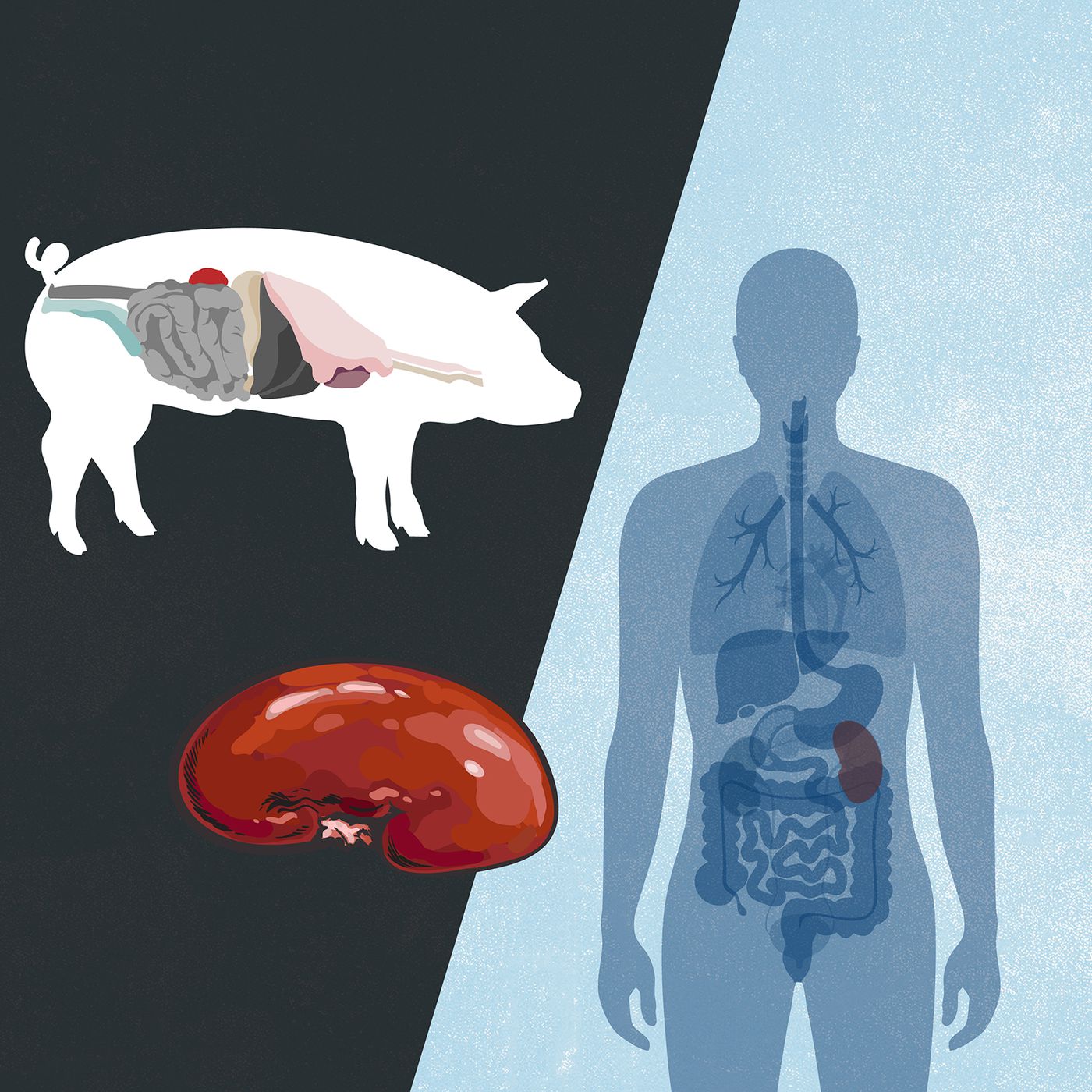
Are Pig Kidneys Patentable? The Legal Landscape Around The First Genetically Engineered Pig Kidney Transplant

By: Bethany Butler

Last month, doctors at Massachusetts General Hospital successfully transplanted a genetically engineered pig kidney into a 64-year-old patient. Scientists removed porcine genes and added human genes via the CRISPR-Cas 9 gene editing technology. In total, sixty-nine of the pig’s genes were modified prior to transplantation. The surgery took approximately four hours, with the kidney functioning almost immediately after transplantation. eGenesis, a biotechnology company focused on genetically engineered, human-compatible organs, invented this procedure and the resulting genetically engineered kidney. This novel procedure may help to alleviate critical organ shortages in the US, with more than 100,000 Americans currently on the transplant wait list. Scientists hope this procedure will pave the way to more research and clinical applications that may help to alleviate the organ transplant shortage. 

The Legal Landscape

Novel research and clinical applications surrounding xenotransplantation, the transplanting of animal cells/organs to humans, have the potential to revolutionize access to life saving therapies. However, the legal landscape surrounding this science is far from settled. While areas of xenotransplantation of pig organs into humans have been granted patents, the procedure itself has not been approved by the FDA. These procedures, like the one used for the modified pig kidney transplant, are only currently able to move forward using “compassionate use” exceptions granted by the FDA. These exceptions apply to patients with life-threatening conditions where there is no alternative for treatment. 

Another important aspect of the law surrounding xenotransplantation is informed consent. Informed consent is a protection provided by the Health and Human Services regulation, 45 CFR Part 46. The regulation requires that important information, including any risks, be disclosed to the patient before he or she decides to participate in any trials or undergo treatment. Xenotransplantation procedures carry unique risks, such as zoonotic infections and the need for lifelong monitoring and intervention due to the nature of the procedure. Patients must be informed of and consent to all of the unique risks involved with these types of treatments. 

Xenotransplantation and Patent Law

Biological patents are generally utility patents, which allow the patent holder to exclude others from making, selling, using, or importing their biological invention for a specified period of time, currently twenty years in the United States. Companies like eGenesis can own biological patents for genetically modified animal organs and associated methods for xenotransplantation. Currently, these types of patents are protected by law, provided the claimed subject matter is not naturally occuring. US patent law has exceptions to patentable subject matter that are laws of nature, natural phenomena, and products of nature. The Supreme Court found, in the landmark case Association for Molecular Pathology v. Myriad Genetics, Inc., that “a naturally occurring DNA segment is a product of nature and not patent eligible merely because it has been isolated.” The case concerned whether the BRCA1 and BRCA2 genes can be patent eligible when isolated. These genes are responsible for tumor suppression and mutations in these genes commonly lead to the development of breast cancer. If the Supreme Court had ruled that Myriad Genetics could patent these gene sequences, that ruling would have effectively prevented any other company from offering diagnostic testing for these genes, thereby monopolizing the breast cancer diagnostic market. The Supreme Court’s decision relied on the statutory provisions in 35 U.S.C. § 101, which addresses patentable subject matter. The court has found exceptions to what is patentable, including laws of nature and natural phenomena. In terms of biological material, if the invention or process is something that naturally occurs, then it is ineligible for patent protection. 

Some eligible biological patents granted in the past include the PCR process and transgenic animals – an animal whose genome has been edited to contain genes from another species. The first transgenic mammal patented was the Harvard Oncomouse, developed by Harvard in the 1980s. This mouse was genetically modified to be more likely to develop cancerous tumors, making it a valuable cancer research subject, and patent eligible. 

Innovation for novel developments in the transplant space, like the genetically modified pig kidney, is encouraged by the patent protection of inventions utilized for xenotransplantation technology. eGenesis has received a number of patents related to the xenotransplantation process, including utility patents for the methods to generate genetically modified animals/cells and for genetically modified animals/tissue/cells used for xenotransplantation.  

The narrowing of biological patents to non-naturally occurring subject matter allows for companies like eGenesis to obtain patents for biological innovations while still protecting research and development efforts, particularly diagnostic testing of carrier genes. Patent eligibility of biological and natural phenomena is currently being addressed in Congress. On June 22, 2023, the US Senate released the Patent Eligibility Reform Act of 2023 (“PERA”). If passed, this act would clarify patent-eligible subject matter and potentially allow for the patenting of solely isolated genes, possibly overriding the Myriad decision. 

While patent eligibility of biological subject matter has the potential to allow for greater innovations, like modified organ transplants, expanding patent-eligible material may lead to negative downstream impacts. Granting monopolies can lead to access issues for diagnostic testing and increasing costs to use isolated genes in research and development efforts. Granting patent protection to biological patents is important and the right balance is necessary to further innovation and facilitate problem solving medical solutions. While patent law is complicated and evolving, novel advancements like the pig kidney transplant are largely driven by innovation incentives and a greater need for medical solutions to the transplant wait list issue.


Are 3D printed human organs a possibility in the near future?

By: Aminat Sanusi

Medically 3D printed human organs have the possibility to save many lives. The United Network for Organ Sharing controls the American transplant system and lists patients in need of an organ transplant. Procedures such as kidney and liver transplants are possible with living donors. But patients on the list for transplants of the heart and lungs are not so lucky. Imagine the infinite possibilities of being able to print a human organ to save a life, instead of waiting until someone died to use theirs? With constant innovation in medicine and the legal field trying to keep up, maybe in this decade or the next, medical trials of 3D printed organs will be a success.

In 2020, the average kidney transplant cost $442,500 and 3D printers cost up to $100,000. The expensive costs of organ transplant surgery come from the transport costs and the actual surgery of implanting the organ. Affordability and insurance coverage issues may arise from time to time but nothing extremely unusual from a normal organ transplant. Nevertheless, accessibility wouldn’t be a huge issue because the organ is created with the patient’s own cells versus a living or non-living organ donor.

What are the current regulations of 3D printed medical devices?

Medical 3D printing has already enhanced treatment for certain medical conditions such as joint replacements and prosthetic limbs. The Food and Drug Administration (FDA) is currently in charge of the regulation of products made and used in the medical field by a 3D printer. The FDA regulates 3D medical devices by categorizing them into groups based on their levels of risk. Regulatory control increases from Class I to Class III, with Class I devices posing the lowest risk to patients. Some requirements apply to the medical devices before they are marketed (premarket requirements), and others apply to the medical devices after they are marketed (postmarket requirements). 

The FDA also regulates the information and application process that the 3D printed medical device seeking acceptance should include. In 2016, the FDA issued a draft guidance to assist manufacturers who are producing medical devices through 3D printing with design, manufacturing, and testing considerations. The guidance categorizes two major topic areas: design and manufacturing considerations which addresses the quality sy draft guidance tstem of the device, and device testing considerations which addresses the type of information that should be included in premarket notification submissions. The FDA continues to evaluate submissions of new 3D printed medical devices to determine its safety and effectiveness.

How are 3D printed organs made?

The possibility of printing 3D human organs is in the near future with organ bioprinting. According to a 2019 medical study, organ bioprinting is the use of 3D printing technologies to assemble multiple cell types, growth factors and biomaterial in a layer-by-layer fashion to produce bioartificial organs that ideally imitate their natural counterparts. The ability to recreate organs with the patient’s own cells is key to avoiding the risk of the patient rejecting the organ or dying before they could be matched with a healthy organ.

Dr. Anthony Atala, the director of the Wake Forest Institute for Regenerative Medicine, and Dr. Jennifer Lewis, a professor at Harvard University’s Wyss Institute for Biologically Inspired Engineering, discuss and explain the process of bioprinting. To begin the process of bioprinting an organ, the doctors need the patient’s cells, so they either choose to do a biopsy of an organ or surgically remove a piece of tissue from the patient’s body. Now the cells need to grow outside of the body, so it’s placed into an incubator that way it’s constantly fed nutrients. Next the cells are mixed with a gel which is similar to glue to create a printable mixture of living cells. Typically the gel is made out of collagen or gelatin. 

For the printing process, the 3D printer is programmed with the patient’s imaging data from X-rays or scans and then loaded with the bioink, which is the gel mixed with the patient’s cells, into the printing chamber to print the organ. Much similar to a regular printer that has cartridges filled with different colored ink, the 3D printer fills up its cartridges with cells. The printing process could take hours to weeks depending on the type of organ that is being printed.

As technological innovation becomes more successful and precise, 3D-printed organ transplants will likely become reality. However, there are current challenges involved with 3D bioprinted organ transplants. The first issue is the functioning of the 3D bioprinted organ is still undergoing testing and trials. The second issue is the uncertainty of how FDA regulations will control the manufacturing and testing of the 3D bioprinted organs. Lastly, the accessibility and affordability of the 3D printed organs is currently limited. 

3D bioprinted organs are created to be complex like a human organ and there are still many challenges to overcome with getting the printed organ to properly function alongside the other human organs in the body. It is still unclear how FDA regulations will be able to control the usage and safety of the product versus the manufacturing and engineering of the product. While there are already procedures in place for 3D printed medical devices like prosthetic limbs which could potentially be applied to bioprinted organs, the regulation of device testing may change because of the use of human cells to print the organs. 

So what comes next?

3D printed medical devices already exist. But why stop there? Why not 3D print human organs? In the award-winning American medical drama television series Grey’s Anatomy, the surgeon 3D printed a part of a human heart and surgically implanted it into the patient. Although the idea of it seems plausible on TV, the reality is a 3D printed human organ has yet to be implanted into a human body. However, that does not mean that 3D printing has not been utilized in the medical field.

Prove It or Lose It: The FTC’s Standard for Scientific Support of Medical App Claims

Medical-Apps-in-HealthcareBy Julie Liu

Among the countless mobile applications that allow us to control much of our lives, the growing wave of medical apps allows us to manage and improve our health with the convenience of a phone or tablet. But, as illustrated by the Federal Trade Commission’s approval of its final order against the maker of the UltimEyes app, this possibility comes with important limitations. Continue reading

The 21st Century Cures Act Will Be Implemented Piecemeal

fdaBy Jason Liu

As technology and medicine advance, the need to streamline and regulate medicine will increase. One can visit a virtual doctor, connect medical devices to the internet, and access cutting-edge gene therapy precision medicine. However, government agencies work with laws that never considered these innovations. To update these laws, the House passed the 21st Century Cures Act in 2015. The Act currently sits in the Health, Education, Labor and Pensions Senate (HELP) committee. Congress may also break the bill into smaller pieces of legislation.

Lamar Alexander (R-Tenn.), the leader of the HELP committee, recently stated that the panel will divide the 21st Century Cures Act into smaller pieces of legislation. The Act has stalled in the Senate because Democrats and Republicans disagree on how to fund the bill. Beginning Feb. 9, the committee will vote on at least seven bipartisan bills ranging from expediting therapies for rare diseases to improving electronic health records. Continue reading

Banking on Your Child’s Future: Is There Sufficient Legal Recourse Against the Unregulated Private Cord Blood Bank Industry?

bankingBy Robin Hammond

Cord blood and tissue banking has significantly increased in the past few years, with 2.6% of parents using private banks and over a thousand transplants from public banks. Some benefits are concrete, and others speculative. The stem cells collected can be used to treat several diseases, including leukemia, lymphoma, anemia, and some immune system disorders. Currently, there are over 200 registered clinical trials currently underway around the world investigating the role that stem cells may play in the various systems of the human body, including Macular Degeneration and Cerebral Palsy.

The standards for public and private banks vary like night and day. As with many emergent technologies, the regulation of private banks has been slow. Currently, private banks only need to provide the FDA with their business name and address to be FDA registered. In contrast, public banks are licensed by the FDA and are responsible for adhering to strict quality standards including documentation on processing, storage and sterility, and site inspection. Additionally, public banks are coordinated by Be The Match®, which works with doctors and researchers to improve cord blood transplantation and education as mandated by the Stem Cell Therapeutic and Research Act of 2005 and Reauthorization Act of 2010. Continue reading