Just Another Brick in the Wall: The Content Industry Turns to the Classroom to Combat Piracy

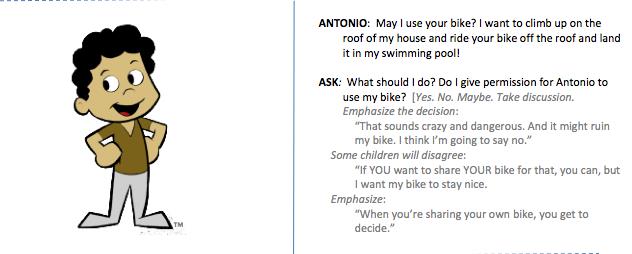
This portion of the Internet Keep Safe Coalition and Center for Copyright Information’s new copyright lesson plan for second graders showcases the groups’ emphasis on permissive uses

This portion of the Internet Keep Safe Coalition and Center for Copyright Information’s new copyright lesson plan for second graders showcases the groups’ emphasis on permissive uses

By Evan Brown

Since the spread of high-speed data connections and the Napster revolution in the late 1990s, cultural respect for copyright has seemingly diminished (if, in fact, it ever really existed at all). A new campaign by content industry groups seeks to change this by inculcating their version of copyright law in American kids as early as possible. But is their version the one kids should learn?

Continue reading →

Between a Rock and a Hard Rate: FCC Protects VoIP for Inmates

phone_9By Megan Fensterman

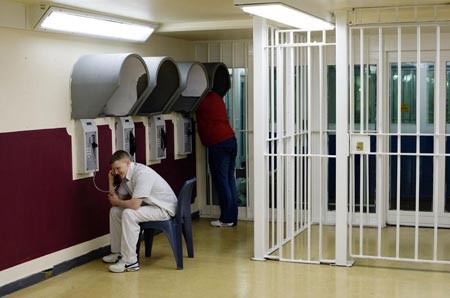
At a time when American incarceration rates are higher than they’ve ever been, one federal agency just delivered a huge victory for the ever-increasing U.S. prison population. The Federal Communications Commission (FCC) recently passed a rule preventing inmate calling services (ICS) from blocking calls from prison that are routed through VoIP services, such as ConsCallHome (CCH), to make cheaper phone calls to their families and other loved ones. The order [LINK REDACTED DUE TO GOVT SHUT DOWN], passed Sept. 26, comes on the heels of another recent order [LINK] that established a “safe harbor” cap on rates charged by ICS companies.

Continue reading →

Porn in Seattle Public Libraries: can libraries do anything about it?

blogpicBy Abby St. Hilaire

With recent arrests of library patrons caught viewing child pornography, the issue of porn in Washington public libraries seems to have resurfaced.  As was the issue just a few years ago, Seattle residents are again questioning whether libraries can or should filter Internet content.

Continue reading →

Sketchy Yelp Reviewers, Beware: the Law is Coming After You

yelpBy Caitlin Forsyth

Do you rely on Yelp to decide whether to try someplace new? Or, do you not trust Yelp reviewers? If you see red flags while perusing Yelp reviews, you are not alone.

According to a recent report written by Michael Luca, assistant professor at Harvard Business School, and Georgios Zervas, an assistant professor of marketing at Boston University, up to 20% of all Yelp reviews are fake; this figure is up from 5% in 2006. This is especially problematic in light of an earlier study by Luca: after crunching Washington State Department of Revenue restaurant data, he found that a one-star rating hike on Yelp can mean a 5% to 9% rise in restaurant revenue.

Continue reading →

The Last Vestiges of Better Days: The Detroit Institute of Arts and Debtor-in-Possession Financing

Detroit Industry, North Wall, Diego M. Rivera, Detroit Institute of Arts

Detroit Industry, North Wall, Diego M. Rivera, Detroit Institute of Arts

By Chris Young

Those of us who have been following Detroit’s Chapter 9 filing continue to wait patiently for the upcoming October 23 court hearing on the city’s eligibility to file a Chapter 9 bankruptcy plan. Commentators expect “battles in federal court, potentially setting national precedents on matters ranging from whether bondholders get repaid when cities run out of money to whether public pensions, previously thought to be sacrosanct under the Michigan Constitution, are protected in municipal bankruptcies.”

Continue reading →