Status Update: What’s going on with drones?

drone-regulation-580503975-s

By: Noelle Symanski

A Brief History

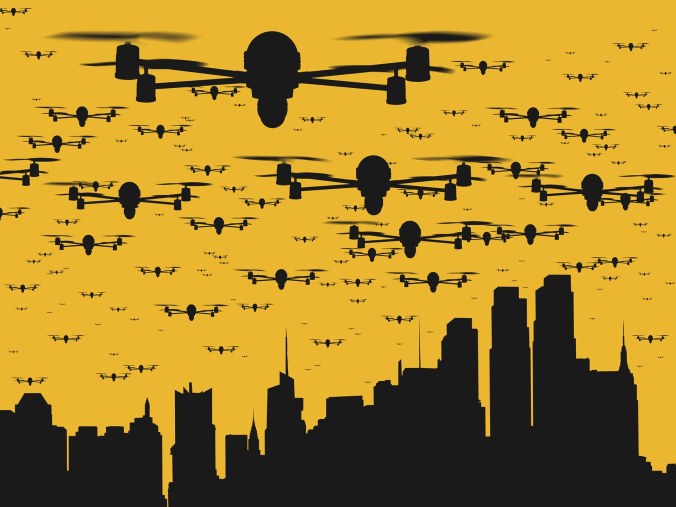
Unmanned aerial vehicles (UAVs), or drones, have been around for over a century. The first unpiloted aerial operations took place in 1849 when Austria attacked Italy using balloons equipped with explosives. Initially, unpiloted aircraft were used for military operations. The United States developed the Ketterig Bug during World War I. The unpiloted plane would be pre-programmed to a destination, where its wings would then detach and the body would deliver a 150-pound bomb. During World War II, B-17 and B-24 bombers were used as unpiloted aircraft. Pilots initially got the aircraft off the ground and then parachuted out as the UAVs continued to their destinations. However, none of the 50 manufactured UAVs were ever used in combat.

Continue reading

The CRISPR Era: A Promising Future with Dark Implications

crispr-8-3-18

By: Ben Cashdollar

In November 2018, a Chinese researcher claimed that he created the world’s first genetically edited babies, a pair of twin girls who are purportedly immune to the Human Immunodeficiency Virus (HIV). The scientist, He Jiankui, “feel[s] proud” of this accomplishment, a stark contrast to the highly critical reaction of the scientific community at-large. While the scientific accuracy of Jiankui’s claims remains in dispute, this story is an undisputed harbinger of a new era, one where human-kind can wield scientific understanding to alter with impunity the genetic code of any living organism. This newfound ability raises several pressing ethical concerns, and underscores that our society is woefully unprepared to address the challenges created in the age of genetic editing.

Continue reading

Catch Me If You Can: The Evolution of Technology in the Context of Criminal Investigation

invesigacion.001

By: Treja Jones

Americans are fascinated by the mystique of criminal investigations. Books, movies, tv shows, and even board games about “whodunit” murder mysteries, have popularized the challenge and intrigue of catching criminals. Though the American audience enjoys the drama of crime fiction, the technological challenges of improving criminal investigations have been all too real. Over the years, advancements in technology have aided law enforcement in the ease of identifying, apprehending, and convicting guilty criminals. This article briefly explores the historical evolution of technology’s role in criminal investigation.

Continue reading

YouTube (Still) Has a Copyright Problem

acastro_180806_1777_youtube_cancel_0001-780x405

By: Jake Plovanic

The new year started with an old problem for the vaunted video platform YouTube. In January, a spate of copyright-related conflicts between content creators and purported rights-holders grabbed headlines across the Internet, causing a few minor dustups in related communities on Reddit. The driver of the controversy was that actual copyright infringement had not occurred. Instead, false, mistaken, or otherwise improper claims of infringement threatened several YouTube channels.

Continue reading

Can Tech Solve America’s Forest Management Crisis?

leading-edge-geomatics-lidar-for

By: Jake Plovanic 

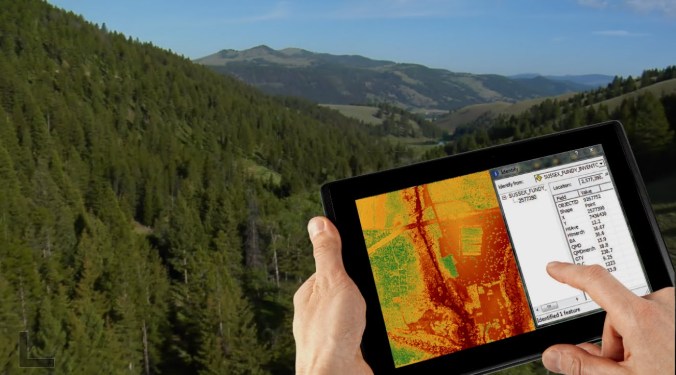
After another wildfire season raged through California and the western United States, the debate over how best to minimize and manage future blazes has intensified. The total destruction of the city of Paradise and the loss of scores of lives in the Camp Fire mark a sobering new reality for the agencies tasked with fighting, predicting, and preventing these fires. Climate change is making fire season longer, hotter, and more dangerous in the western states. Cities and suburbs continue to encroach into fire-prone wildland. Both issues require redefining the approach to managing the fires and the forests that fuel them.

Continue reading